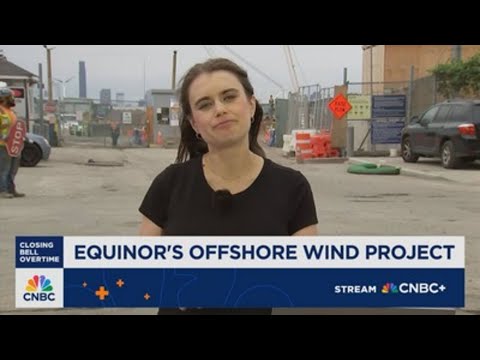
So, picture this: you’re standing on the beach, wind in your hair, waves crashing. Now imagine a giant wind turbine turning just off the shore. Pretty cool, right?
Well, that’s kinda what Equinor is up to with their offshore wind energy projects. They’re like the kids on the block — always coming up with new ideas to harness that sweet, sweet wind.
But it’s not just about spinning blades and energy. It’s also about tackling climate change and making our planet a better place for future generations.
So yeah, let’s chat about what they’re doing out there in the ocean. It’s honestly more exciting than it sounds!
Advancing Renewable Energy: The Impact of Equinor Offshore Wind Projects on Sustainable Science
The world is shifting towards renewable energy, and it’s super exciting! When we talk about offshore wind energy, companies like Equinor are really making waves—pun intended. Their projects have a huge impact on sustainable science and the way we think about clean energy sources.
First off, why offshore wind? It’s simple: strong and consistent winds. Offshore wind farms can generate more power than their onshore counterparts because they’re placed in areas where the wind is often stronger and has fewer obstacles like buildings or trees. This means they can produce a whole lot of electricity, which is crucial for reducing our reliance on fossil fuels.
Equinor’s approach focuses on innovation. They’re not just throwing up turbines and calling it a day. Instead, they’re dedicated to using advanced technology to optimize electricity generation. For instance, new turbine designs are becoming taller with larger blades to capture even more wind energy. So cool, right?
Another important aspect of these projects is their environmental considerations. You might wonder, “What about the fish?” Well, Equinor collaborates with marine scientists to assess how these installations affect local ecosystems. They’re aiming for a balance between harnessing wind power and protecting marine life.
And let’s not forget about job creation! As these offshore wind projects develop, they also support local economies by creating jobs in construction, maintenance, and research. It’s like a win-win situation; you boost the economy while fighting climate change.
One of the standout examples is Equinor’s Hywind project, which features floating turbines! These floating platforms allow for installations in deeper waters where traditional methods can’t reach. It’s essentially pioneering new territory for wind energy production.
Additionally, Equinor’s projects contribute valuable data to scientific research. They monitor everything from turbine performance to environmental impacts over time. This information helps scientists understand more about how renewable energies interact with nature—leading to smarter practices in future projects worldwide.
Lastly, there’s a genuine community aspect involved too. By engaging local stakeholders right from the planning stages, Equinor ensures that everyone has a voice in how these developments proceed. That kind of collaboration fosters trust and builds momentum towards even greater renewables adoption.
So there you have it—a glimpse into how Equinor’s offshore wind projects are not just changing the game for energy but are also paving the way for sustainable science advancement through innovation, environmental care, and community engagement. It’s an exciting time as we move toward this cleaner future together!
Comprehensive Overview of Floating Offshore Wind Projects: Advancements in Renewable Energy Technology
Sure! Let’s chat about floating offshore wind projects and how they’re shaking things up in the world of renewable energy.
Floating offshore wind farms are like a new frontier in harnessing wind energy. They differ from traditional offshore wind turbines, which are usually fixed to the seabed. Instead, these floating structures can be anchored to the ocean floor with cables, allowing them to be placed in deeper waters where winds are generally stronger and more consistent.
Why Floating?
So, why do we need floating turbines anyway? Well, most coastal areas where we could put fixed turbines are already crowded or have other uses like fishing or shipping lanes. Floating systems allow us to tap into those deep-water areas without causing much disruption. Seriously cool, right?
Technological Advancements
There’s been a ton of progress in this tech lately. Companies like Equinor have really taken the lead in developing floating projects. They’re using advanced materials and engineering designs that help these turbines withstand harsh ocean conditions—think strong winds and waves.
Just imagine: engineers design these massive platforms that float on the surface while towering turbines reach high into the air, catching all that sweet wind energy. It’s all about getting more out of nature without taking away from it!
The Benefits
Moving on to some benefits—here’s what floating wind farms bring to the table:
- The ability to generate renewable energy in new locations.
- Less visual impact on coastlines since they can be placed further out.
- Higher energy output due to consistent stronger winds.
- A boost for local economies through job creation in manufacturing and maintenance.
It’s nice knowing that advancements like this are not just about tech—they also bring jobs and opportunities.
Real-World Examples
Equinor has launched several innovative projects around the globe. One of their notable ventures is the Hywind Scotland project—the world’s first commercial floating wind farm. It has been operating well since 2017 and shows us what’s possible when you combine creativity with engineering know-how.
Another project is happening off the coast of California, where Equinor is working on a similar setup aimed at generating substantial power for nearby communities.
The Future Looks Bright
Looking ahead, it seems bright for floating offshore wind farms! As technology continues to improve and costs go down, more countries may start investing in this type of renewable energy. It might very well become a key player in achieving global carbon reduction goals.
In short, floating offshore wind projects represent an exciting step forward for renewable energy technology. With companies like Equinor leading the way, we’re witnessing firsthand how innovative thinking can open up new possibilities for harnessing clean power—all while keeping our oceans thriving!
So yeah, keep an eye out for these developments; they might just shape our future!
Advancing Renewable Energy: The Role of Equinor’s Wind Farm in New York’s Sustainable Future
Renewable energy is a hot topic these days, and for good reason. It’s all about finding ways to power our lives without wrecking the planet. One of the shining stars in this field is wind energy, especially offshore wind farms. These giant structures out in the ocean harness the power of the wind to generate electricity, and guess what? Equinor is making some serious waves with their projects in New York!
Why are offshore wind farms so cool? Well, they can capture stronger winds over water, which means they can produce more energy compared to onshore farms. Imagine standing on a beach with the wind whipping through your hair; that’s basically what these turbines are tapping into. Equinor has been focusing on several aspects to ramp up production and sustainability.
- Innovative Technology: They’re using advanced turbine designs that are bigger and more efficient. This means more power while using less material for construction!
- Environmental Considerations: Equinor takes care to study the local ecosystems before building anything. They’re trying to balance wildlife protection with energy needs.
- Community Engagement: They reach out to local communities, asking for feedback and sharing information about how these projects can benefit everyone.
- Sustainable Practices: The materials used are sourced responsibly, aiming for minimal impact on nature during construction and operation.
One personal story that comes to mind is when I visited a coastal town where an offshore project was being introduced. Residents were skeptical at first—what if it affected fishing or tourism? But as they learned more about potential job creation and cleaner air, opinions started shifting. It was heartwarming to see them rally around a vision for their community that included renewable energy.
Equinor’s wind farm isn’t just about getting energy onto your grid; it’s part of New York’s larger plan for a sustainable future. The aim is ambitious: New York wants 70% of its electricity from renewable sources by 2030! Wind plays a massive role in this vision.
It’s also worth noting how progress in offshore wind technology could lead to job creation in various sectors—engineering, construction, even research roles pop up as these projects develop. Adding economic benefits alongside eco-friendly energy feels like hitting two birds with one stone!
But let’s not forget about challenges. Building huge turbines out at sea comes with logistical headaches like transportation and installation issues. Plus, there are always concerns regarding marine life impacts which need careful management.
The truth is, partnerships between companies like Equinor and local governments or organizations can make a big difference in overcoming hurdles together. Sharing knowledge and looking out for each other helps pave the way towards cleaner energy solutions.
So next time you hear about Equinor or any other players in offshore wind energy, remember: it’s not just about tall turbines standing in the ocean; it’s about creating pathways toward greener cities and healthier futures!
I was chatting with a friend recently about how we get our energy, and we ended up diving into the whole wind energy thing. You know, the giant turbines spinning away at sea? That got me thinking about Equinor and their offshore wind projects. It’s pretty cool stuff, honestly.
So, here’s the deal: Equinor has been really pushing the envelope in this space. They’re not just sticking some turbines in the water and calling it a day. Nope! They’re all about innovation and making things better, more efficient, you know? I mean, can you imagine how much power those big turbines can generate? Enough to keep entire cities buzzing along!
One of their standout projects is called Dogger Bank in the UK. Picture this: it’s set to be one of the biggest offshore wind farms in the world! They’ve designed these floating turbines that can basically sit in deeper waters where traditional ones just can’t go. It’s like taking a swim where no one else dares – that’s bold, right?
And then there’s this technology they’re using called “digital twins.” Sounds fancy, right? Basically, it’s like having a virtual model of your wind farm that helps them predict how everything will work together before they even build it. This way, they can spot potential issues early on and save tons of time and money. It’d be like testing out a video game level before you hit “play.” Super smart!
But seriously, what gets me excited is what this all means for our planet. You know how climate change is looming over us like that annoying cloud on a sunny day? Well, innovations like those from Equinor could help clear that cloud up just a bit by providing cleaner energy sources.
I remember visiting my grandma’s house when I was young – she always encouraged me to think about our planet and its future. She’d say, “You gotta take care of what you love.” And now seeing these advancements makes me feel hopeful. It’s like we’re finally starting to listen to that advice.
So yeah, Equinor isn’t just playing around; they’re part of something bigger—a movement towards cleaner energy with real potential to make an impact on our everyday lives. Watching them forge ahead is inspiring!