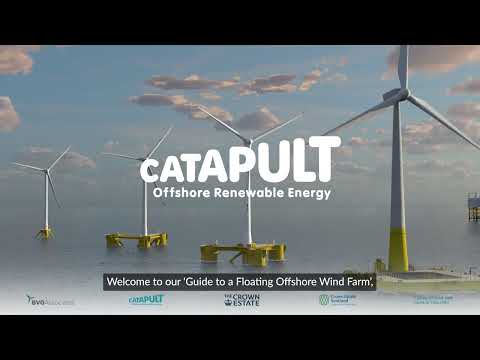
So, picture this: you’re on a boat, cruising past the coast, and suddenly, bam! You see these gigantic wind turbines spinning like ballerinas in the ocean breeze. Crazy, right? I mean, who would’ve thought we’d be using the ocean to harness energy like it’s some sort of sci-fi movie?
But here’s the thing. Getting those monsters out there isn’t just a walk in the park. There’s a whole behind-the-scenes show of innovation going on. The techniques for installing offshore wind turbines have seriously leveled up.
You know how assembling IKEA furniture can feel like rocket science? Well, installing these turbines is like that but on an epic scale! And with climate change knocking at our doors, figuring out the best ways to do this is more important than ever.
So grab your favorite snack and let’s chat about how folks are getting super creative with these turbine installations. You might find out some stuff that’ll make you look at those sea giants with fresh eyes!
Innovations in Wind Turbine Technology: The Future of Renewable Energy Solutions
Well, let’s talk about wind turbines for a minute. You know, those giant pinwheels you see out in the fields or, more recently, way out in the ocean? They’re not just cool to look at; they’re a huge part of how we can generate clean energy. The innovations happening right now in wind turbine technology are seriously exciting and could shape our future.
First off, **offshore wind turbines** are becoming super popular. Why? Because they can harness stronger and more consistent winds over the ocean. You see, water is usually windy, and putting turbines out there means we can generate a lot more power than those on land. That said, installing these giant machines is no walk in the park.
So here’s where things get interesting: they’ve developed some pretty slick **installation techniques** for offshore turbines that make the whole process easier and safer! Here’s a rundown of what’s been cooking:
- Floating platforms: Instead of sticking them directly into the seabed, some new designs use floating platforms anchored to the ocean floor. This means they can be placed in deeper waters where winds are even stronger.
- Jack-up vessels: These are special ships that have legs which can literally be jacked down onto the sea floor. This allows them to stabilize themselves while installing turbines without worrying about waves rocking the boat too much.
- Tower sections: They’re using larger sections for turbine towers that can withstand harsh marine conditions. These sections are pre-assembled on land before being transported to the installation site.
- Remote control technology: Think about it! Using drones and remote-operated vehicles (ROVs) helps with maintenance and inspection tasks of offshore installations without sending people out into dangerous waters.
Now let’s think about this for a sec: when I was a kid visiting my grandparents’ farm, there was this old windmill that pumped water for their animals. It was simple but showed me how powerful wind could be. Now imagine taking that concept and scaling it up to something that not only pumps water but creates electricity for entire cities! It’s kind of mind-blowing.
Also, these innovations aren’t just techy jargon; they mean real-world benefits like reducing costs and improving efficiency in generating energy from wind—something we all want as we hustle toward cleaner energy sources.
And don’t forget about sustainability! These new methods focus on minimizing environmental impact during construction and operation. It’s all about striking a balance between harnessing nature’s power while respecting our planet.
To wrap it up: innovations like floating platforms and smart technologies are making offshore wind installations a game changer for how we gather renewable energy. It’s such an exciting time in this field—you can almost feel the winds of change blowing!
Exploring Technological Advancements in Wind Turbines: Innovations Shaping the Future of Renewable Energy
Wind energy is like this superhero in the renewable energy world. It’s clean, sustainable, and incredibly abundant. But to harness it effectively, we need wind turbines that are not just powerful but also smartly designed and installed. Technological advancements in wind turbines have come a long way, especially when it comes to offshore installations.
Offshore wind farms are those gigantic fields of turbines sitting out in the ocean. They can catch stronger winds than land-based ones, so they generate more energy. But installing these big guys? That’s a whole different ball game! The technology used to put them in place has improved a lot over the years.
One cool innovation is the use of floating platforms. Imagine a giant buoy on which a turbine sits. These floating turbines can be anchored to the seabed but don’t require as deep waters as traditional fixed foundations do. This flexibility opens up new areas for wind farms where it was once too deep to build.
Another fascinating development is in installation vessels. You know those massive ships you see at sea? Some are now specifically designed for installing offshore turbines. They have these big cranes and can work safely even in rough seas. This means they can put more turbines up quicker and more efficiently.
Also, the blades themselves have seen some serious upgrades! New materials like carbon fiber make them lighter and stronger. Longer blades mean they capture more wind, which translates into more power for us! Isn’t that neat?
So let’s break that down into some key points about what’s changing:
- Floating Platforms: Allow installation in deeper waters.
- Specialized Vessels: Designed to handle rough seas efficiently.
- Advanced Blade Materials: Make blades longer and stronger.
- Remote Monitoring Systems: Help keep an eye on performance from afar.
But wait! There’s something else really interesting—remote monitoring systems. These bad boys allow operators to check on turbine health without being on-site all the time. Imagine running diagnostics from your couch! If something goes wrong, they can respond quickly before any major damage occurs.
And you know what really gets me excited? The environmental benefits of these innovations are amazing. By increasing efficiency and making installation safer, we’re moving closer to making offshore wind a cornerstone of our energy grid—reducing carbon emissions and fighting climate change.
I remember visiting a coastal town where an offshore wind farm was being constructed. Standing there by the shore, I could feel the excitement buzzing among locals about the jobs it would create and the clean energy it would generate for years to come. It was one of those moments where you realize how technology can genuinely improve lives while respecting our planet.
So yeah, exploring technological advancements in wind turbines isn’t just about cool gadgets or new designs—it’s an essential part of building a sustainable future that’s bright for everyone!
Key Considerations for Wind Turbine Installation: A Scientific Perspective
When it comes to installing wind turbines, especially those offshore, there’s a lot to think about. These big machines are not just popping up haphazardly in the ocean. There are key considerations that you really need to keep in mind.
- Site Selection: The first thing is where to put them. You want strong winds, but also a place that won’t disturb marine life too much. So, finding that sweet spot is crucial.
- Weather Conditions: Think about the weather! Installing turbines during storms can be a nightmare. Those engineers have to pick times when it’s calm enough but still has decent wind.
- Environmental Impact: Then there’s the environment. It’s important to minimize the impact on birds and other sea creatures. Some places might have protected species, which can complicate things.
- Installation Techniques: Now, let’s talk about how they actually get these things up and running! Innovations like floating platforms are changing the game. Instead of anchoring directly to the seabed, floating turbines use mooring systems that allow for easier installation in deeper waters.
- Cable Connectivity: Once they’re up, they need power cables connected back to shore. That can be tricky business! The cables have to be laid down without causing too much disturbance, which takes skill and planning.
- Crew Safety: And don’t forget about safety! Workers out at sea need top-notch training and safety measures in place because things can get dangerous fast with waves and high winds.
Each of these factors plays a big role in how successful an offshore wind project will be. For example, I remember reading about an installation project that took place during a particularly stormy season—it ended up delaying their timeline by months because the workers couldn’t safely operate their equipment.
But here’s where it gets interesting: those innovations I mentioned earlier? They’re making it possible for us to harness more wind energy than ever before! With new techniques on the horizon, we can expect even more efficient installations in varied conditions.
So yeah, when it comes down to it, installing wind turbines is no walk in the park! It requires careful thought and planning every step of the way. It really shows how science and technology blend together beautifully in creating cleaner energy solutions while being mindful of our planet.
So, you know how we’re all trying to find cleaner energy sources? Wind energy has become pretty crucial in that conversation. It’s fascinating to think, right? Here we are using the power of wind, which is just there, free-floating around us, to generate energy. And then you have these giant wind turbines popping up offshore, harnessing that power. But here’s the kicker: getting those massive structures installed isn’t just a walk in the park.
Just picture it! I remember watching a documentary about these offshore projects. They showed this epic scene of huge boats designed specifically for carrying and installing turbines at sea. Seriously, these vessels are like floating cities! And it hit me—there’s a whole world of innovation behind making that happen.
Traditionally, installing turbines meant all kinds of heavy lifting and tricky logistics. But now? With innovations like floating installation platforms and new anchoring techniques, things are getting way smarter. It’s like we’re evolving our technology practically overnight! For instance, some companies are using specialized jack-up vessels that can literally elevate themselves above the waves while they work on setting up turbines. Can you imagine? It feels like something straight out of a sci-fi movie!
But with every cool new technique comes its own set of challenges. The ocean is unpredictable; one minute you’re chillin’ in clear skies and sunshine, and before you know it, bam—stormy weather hits! This unpredictability means engineers really need to stay on their toes and keep refining their methods.
What gets me the most is how this technology doesn’t just solve current problems—it also opens doors for future advancements. Think about it: as we get better at installing these huge structures efficiently and safely, it’s paving the way for even bigger projects down the line. More turbines could mean more clean energy—and who wouldn’t want that?
At the end of the day, diving into these innovations reminds us that when people come together with creativity and determination—even against nature’s challenges—they can make significant progress in sustainability and energy production. It’s inspiring stuff!