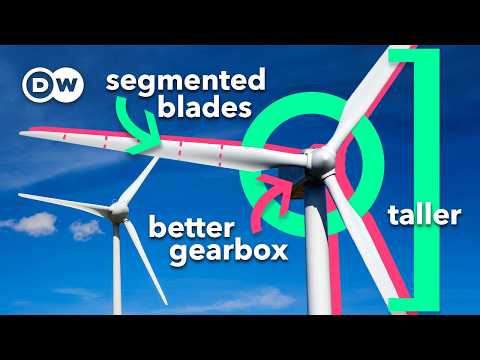
You know what’s funny? I used to think wind turbines looked like giant pinwheels. Seriously, I’d see them spinning in fields and imagine kids running around, shouting, while trying to catch the breeze. But there’s so much more going on there than meets the eye!
So picture this: every time those blades spin, they’re harnessing energy from the wind—turning it into electricity that powers your home. Pretty cool, right? But here’s the kicker: not all turbine blades are created equal. Some designs are way more efficient than others.
Why? Well, engineers are constantly innovating rotor designs to squeeze out maximum efficiency from these bad boys. That’s right! The shape, size, and materials can make a huge difference in how they perform. It’s like upgrading from a plain old bike to a fancy racing one; you want to get as much speed as possible with the least effort.
Let’s chat about how these innovations are changing the game for wind energy!
Innovative Wind Turbine Design for Educational Science Projects: A Comprehensive Guide
Sure thing! Let’s chat about wind turbines and how you can come up with innovative designs for some cool science projects. Seriously, it’s not just about spinning blades—they’re like little power stations playing with the wind.
Understanding Wind Turbines
First off, a wind turbine basically transforms the energy from moving air into electricity. You know that feeling when you’re running into a strong wind? That energy is what we harness with these machines. There are a few key parts to a turbine: the rotor, which includes the blades, the nacelle (that’s where all the magic happens), and the tower.
Innovative Rotor Designs
Now, let’s focus on **rotor designs** because that’s where your innovative touch can really shine. The rotor’s shape and size play an important role in how effectively it converts wind energy.
Building Your Own Wind Turbine Model
So if you’re interested in making your own model, here’s a simple path you might take:
1. **Materials**: Use stuff like cardboard for blades or plastic bottles cut in half. Seriously, think recyclables! You don’t need fancy gear.
2. **Design Experimentation**: Create different blade shapes using scissors—go wild with curves! Test which design turns faster when exposed to a fan or real wind outdoors.
3. **Measuring Efficiency**: Attach a small generator (you can find these online) to see how much electricity your model produces based on your design changes.
4. **Data Collection**: Keep track of your findings in a notebook—what blade worked best? At what speed did it produce maximum energy? This hands-on learning is super valuable!
The Future of Wind Energy
Playing around with rotor designs isn’t just fun; it has real implications for sustainable energy solutions. As we look towards greener futures, improving turbine efficiency will help maximize renewable resources. Imagine one day riding around on electric bikes powered by clean-energy turbines!
And hey, remember that feeling of figuring something out yourself? Like when you finally get that bike tire fixed after twenty tries? That sense of accomplishment is worth every effort when you’re working on these projects—you’re literally tuning into nature’s rhythm while being all experimental!
So there ya go—wind turbines aren’t just engineering feats; they can also spark creativity and innovation right at home or school!
Advancements in Renewable Energy: The BBF Group’s Innovations in Wind Turbine Technology
Wind energy is like that superhero of renewable resources. It’s clean, abundant, and super important for a sustainable future. While many companies are involved in this realm, let’s chat about some cool advancements in wind turbine technology, especially when it comes to rotor design.
**So, what’s the big deal with rotor design?** Well, rotors are the blades of a wind turbine that catch the wind and convert it into energy. The efficiency of these blades can really make or break how much electricity a turbine produces. If you think about it, it’s like the difference between using a regular fan and one designed to move air more efficiently; you’d want the latter for better results!
**Now**, here’s where things get interesting. Recent innovations have focused on shaping and materials that enhance performance. For instance:
- Blade Shape: Modern turbines often sport longer and more aerodynamic blades. This shape lets them catch more wind at various angles without needing as much wind speed to start spinning.
- Smart Materials: Engineers are experimenting with flexible materials that can change shape based on wind conditions. It’s kinda like your hair blowing in the breeze; it adapts!
- Noise Reduction: These new designs also aim to minimize noise production because let’s face it: no one wants a loud whirring sound outside their window all day.
- Tapered Blades: Some designs include tapered blades which can reduce drag and increase lift—think of it as making a plane wing more effective.
So, picture this: you’re standing next to one of these cutting-edge turbines on a clear day, feeling the breeze on your face while knowing that your energy is being produced in an efficient way. It’s thrilling!
One thing that really hits home about these advancements is how they affect local communities. When turbines operate better due to enhanced rotor designs, they generate more power without needing more units installed. Fewer installations might mean less disruption in areas where these large structures are built.
It’s hard not to get excited about what lies ahead for renewable energy! With continual innovations popping up all over the globe—be it from startups or well-established groups—the future looks bright! And hey, every turn of a rotor brings us closer to cleaning up our planet’s energy mix. So next time you see one of those big fans spinning against the sky—remember all the brainpower behind those blades!
Advancements in Wind Turbine Technology: Pioneering Innovations in Renewable Energy Science
Wind turbines have come a long way in their design and efficiency. If you’ve ever seen those gigantic blades spinning in the wind, you might have wondered how they actually work. Well, the truth is, there’s some pretty amazing science behind it.
Rotor design is one of the most crucial aspects when it comes to maximizing a wind turbine’s efficiency. You see, the rotor is basically the part that catches the wind and gets everything moving. Traditional designs have changed quite a bit over the years to harness wind power better.
First off, let’s talk about blade shape. Modern wind turbine blades are often longer and more aerodynamic than before. This means they can catch more wind even at lower speeds. Think about it: if you’ve got a longer blade slicing through the air just right, it’s like having a bigger net when fishing—you’re going to catch more!
Then there’s something called variable pitch control. This tech allows each blade to change its angle depending on how fast the wind is blowing. It’s kind of like adjusting your umbrella when it gets really windy—you want to tilt it just right so it doesn’t blow away or turn inside out! This means turbines can handle strong winds better and generate energy more consistently.
Another exciting innovation is tapered blades. These are designed so that they’re wider at one end and narrower at the other. This shape helps manage stress on the blades during those gusty days. It’s fascinating how engineers look at nature for inspiration; many birds have similar shapes for optimal flying!
Also, don’t forget about materials! The advancements here are cool too. Nowadays, manufacturers use lighter but stronger materials which help reduce overall weight while maintaining durability. Less weight means less stress on support structures—like trying to lift a feather versus a brick.
There’s also this innovative concept of integrated sensors. Some new turbines come equipped with sensors that provide real-time data about various factors like wind speed and direction. Imagine having someone in your ear giving you updates while you’re trying to navigate through middle school halls—that kind of info can totally change your game!
Finally, let’s not overlook the role of software in optimizing performance through advanced modeling. Engineers use simulations to predict how changes in rotor design will affect energy output before even building them! This saves time and resources while making sure we create better turbines right out of the gate.
So yeah, advancements in rotor design make a huge difference when it comes to **wind turbine efficiency**—it’s all about catching that sweet wind just perfectly! And who knew? It combines nature and engineering in such an inspirational way! Wind energy isn’t just about spinning blades; it’s about smart designs pushing us toward greener futures every day.
You know, wind turbines are like the superheroes of renewable energy. They just, like, stand there and harness the wind to give us power. But have you ever thought about their blades? Unlike regular superhero capes, these blades have to be super efficient to really do their job well.
So, rotor design is a huge deal in making wind turbines not just good but great. It’s kind of like when you’re baking cookies. If your recipe is off or if you don’t mix the ingredients right, your cookies could turn out flat or burnt. Similarly, if the rotor blades aren’t designed properly, we don’t catch as much wind and generate less energy.
I remember visiting a wind farm once; it was a drizzly day and pretty chilly too! But when I saw those giant blades spinning gracefully against the grey sky, it felt magical. I learned that small changes in rotor design can lead to big boosts in efficiency. Engineers are now playing around with shapes and materials—some are even making them longer and lighter! That’s because longer blades can capture more wind; it’s all about maximizing that surface area while keeping things sturdy.
Sometimes they also play with different angles on the turbine blade tips which helps reduce noise—a key factor since nobody wants to live next to a giant humming machine! That’s basically like turning down the volume on a loud neighbor who never gets the hint.
And here’s another thing: some companies are exploring adaptive designs where blades can change shape depending on conditions. Weather changes happen fast—kind of like how your mood can shift from happy to “need coffee now” in seconds! So adapting helps keep efficiency high whether it’s calm or windy.
I wonder, what other innovations are around the corner? Every small tweak might end up giving us cleaner energy for generations—and that feels pretty exciting! In all this whirlwind of innovation (pun totally intended), it makes me feel hopeful about our future with clean energy sources.