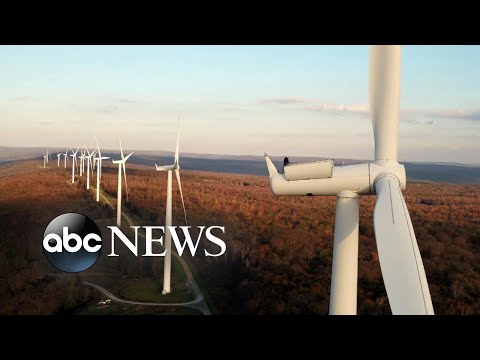
You ever stand on a beach and thought about how much wind is blowing around? I mean, it’s like Mother Nature is giving you a big ol’ fan. Now, imagine harnessing all that wild energy to power your blender, or even your entire town! Pretty cool, huh?
Offshore windmills are kind of like giant pinwheels out in the ocean, spinning around and generating power. It’s crazy to think that these massive structures can change the way we get energy. Seriously, they’re like superheroes of the sea!
And guess what? They’re becoming a big deal in the push for renewable energy. It’s not just about saving money on your electric bill; it’s about protecting our planet too! So let’s chat about why these windmills are worth all the hype—who knows, maybe you’ll feel inspired to jump on board this renewable train.
Exploring the Role of Windmills in Advancing Renewable Energy Solutions
Windmills, or as we often call them these days, wind turbines, play a pretty significant part in the whole renewable energy scene. These big rotating blades out in the open are more than just cool-looking structures; they’re actually capturing the power of the wind and turning it into clean energy. So let’s break it down a bit.
First off, what exactly do windmills do? Well, they convert kinetic energy from the wind into mechanical energy. This energy then gets transformed into electricity through a generator inside the turbine. When you see those giant structures on land or even out at sea, they’re harnessing the wind’s natural motion and using it to create power that can be used in homes and businesses. It’s like nature giving us a helping hand!
Now, there are windmills located on land (called onshore) and out in the ocean (offshore). Offshore windmills are particularly exciting because they can tap into stronger and more consistent winds that you typically find over water. That’s why you’ll often see large offshore wind farms popping up along coastlines. They can generate much more electricity than their land-based relatives because there’s generally less turbulence and interference from buildings or trees.
- Efficiency: Offshore turbines can be much larger than onshore ones, capturing more wind energy.
- Environmental impact: They produce no greenhouse gases while generating electricity, making them an eco-friendly option.
- Ecosystem benefits: Offshore farms can sometimes create new habitats for marine life.
You might be thinking: “Okay, but what about all those giant blades?” It’s true; they can seem a bit daunting when you see them up close. But here’s where it gets interesting: those massive blades help to sweep through more air as they spin around! The larger surface area allows them to capture wind energy more efficiently. It’s a win-win situation!
I remember visiting an offshore wind farm once; standing there with waves crashing nearby while watching these giants slowly turn was kind of mesmerizing. It really put into perspective how nature and technology work together—like how we’re learning to harness natural forces instead of fighting against them.
Of course, some challenges come with these beautiful installations. Installation costs can be sky-high due to factors like transportation and construction logistics in marine environments. Plus, we want to keep our oceans safe for wildlife too! Developers need to carefully assess potential effects on local ecosystems when planning new offshore farms.
The really cool part is that countries around the world are getting excited about offshore wind power! Nations like Denmark and Germany have been building large-scale projects for years now—taking steps toward reducing reliance on fossil fuels while making progress toward climate goals.
In summary, windmills, especially those stunning offshore varieties, represent a powerful solution as we shift toward renewable energy sources. They connect us with nature while offering sustainable options for powering our future—and honestly? That feels pretty hopeful!
Assessing the Environmental and Economic Challenges of Offshore Wind Turbines: A Comprehensive Analysis
Offshore wind turbines are becoming a big deal in the world of renewable energy. They’re like giant fans out at sea, catching those strong winds to create electricity. But while this sounds great, there are some environmental and economic challenges that come with them.
First off, let’s talk about the environmental impact. Building these huge structures can disrupt marine life. Think about it: you’re putting a massive metal structure where fish and birds usually hang out. Some species might find it tough to adapt, and that can mess with local ecosystems.
- Noise pollution: During construction, the noise from piling and machinery can scare away marine animals like whales and dolphins. They rely on sound for communication and navigation.
- Habitat alteration: When you install turbines, you’re altering the seabed. This can affect plants and creatures that live there. Over time, though, some animals may adapt and even use the structures as new habitats.
- Visual impact: For those who love nature’s views from coastal areas, seeing a line of turbines on the horizon isn’t everyone’s cup of tea. It changes how we experience those landscapes.
Next up is the economic side. While offshore wind energy does offer a sustainable source of power, it ain’t cheap to set up! The initial investment can be daunting for many countries or companies.
- High installation costs: The technology and materials needed to build these turbines are pricey. And getting them out into deep water? That adds another layer of expense!
- Maintenance costs: Once they’re up and running, you’ve gotta keep an eye on ’em. Maintenance at sea isn’t easy or cheap—think bad weather and accessibility issues.
- Job creation versus job loss: Sure, installing offshore wind farms can create jobs in construction and maintenance. But traditional industries like fishing might take a hit if areas get restricted due to turbine placement.
The reality is that investing in offshore wind has its upsides—like reducing greenhouse gas emissions—but it also has its downsides. You’re trading one problem for another sometimes.
A personal anecdote comes to mind: I once took a boat ride along the coast where I saw these magnificent wind turbines spinning gracefully against the backdrop of a setting sun. It was breathtaking! But then I thought about all those hidden complexities—the fish trying to find their way home or the fisherman wondering where his catch went. It’s kind of bittersweet when you think about it.
In wrapping this up—much like how we balance our choices in daily life—the decision to expand offshore wind energy needs careful consideration of both environmental impacts and economic realities you know? Finding that sweet spot will take discussions between scientists, governments, communities, and businesses alike!
Assessing Europe’s Ambitious Offshore Wind Targets: A Scientific Perspective on Sustainable Energy Development
Offshore wind energy is becoming a big deal across Europe. You know, it’s like when you find that perfect spot on the beach, and you just can’t help but brag about it. Well, Europe is gearing up to harness wind power like never before. It’s not just a trend; it’s essential for sustainable energy.
Why offshore wind? The winds over oceans are generally stronger and more consistent compared to those on land. This means the potential for energy generation is huge! Imagine these giant turbines spinning gracefully against the backdrop of the blue sea. They have the ability to generate power that can sustain entire cities.
But let’s talk goals! Europe aims to have at least 300 GW of offshore wind capacity by 2030. That’s enough electricity to power millions of homes! Many countries are in on this, including Germany, France, and Spain. Each has its own plans to boost their wind farm capacities dramatically.
Now, here’s where it gets interesting—these ambitious targets mean serious investments and innovation. Building offshore wind farms isn’t like putting up a fence in your backyard. There are challenges with installation and maintenance since these turbines will be miles away from shore! They need special ships and equipment just to get them out there.
There’s also another layer—environmental impacts. While wind energy is cleaner than fossil fuels, we gotta keep an eye on marine ecosystems too. Wind farms can affect local wildlife like birds and fish. The key? Finding a balance between building green energy sources while protecting our oceans’ inhabitants.
Speaking of balance, think about community involvement too! Local populations should have a say in where turbines go. Not only does this create transparency, but it also fosters acceptance of renewable projects in local areas.
And then there’s technology—oh boy! Innovations in turbine design are making them more efficient and less noisy. Some new models even come with floating bases that allow them to be placed deeper into the water where winds are stronger!
However, there’s still so much work ahead if we want 2030’s targets to become reality. We need solid policies and investment in infrastructure because renewable energy isn’t free right now. Governments have budgets they need to juggle among other sectors too!
In summary, Europe’s offshore wind ambitions represent a significant step toward sustainable energy development. With the right strategies that consider both environmental impact and community involvement, we could see an exciting shift toward cleaner energy sources across the continent! It’s not just about reducing carbon footprints; it’s about creating a whole new future for energy!
So, you know how there’s this buzz about renewable energy these days? I mean, it’s everywhere! And one of the cool players in this whole green energy game is offshore windmills. They’re like those giant pinwheels you’d see at a fair, but way more serious and way more important.
Picture yourself standing on a beach. The wind’s whipping through your hair, the waves are crashing in rhythm. Now, imagine those gentle breezes being transformed into clean energy by gigantic turbines far out to sea. It sounds almost magical, right? But here’s the thing: it’s not just about looking cool or feeling good about saving the planet. These windmills can produce tons of energy that help power homes and businesses without all that harmful pollution.
There was this day when I visited a coastal town and saw these massive structures spinning gracefully on the horizon. Honestly, my first thought was just awe—like who wouldn’t be amazed seeing something so powerful yet serene? But then it hit me: each spin represents progress in our fight against climate change. Just think about how much cleaner our air could be if we harnessed more of that wind power!
But hey, it’s not all sunshine and rainbows. There are challenges too. Some folks worry about marine life and how these structures might interfere with fishing activities or even change local ecosystems. It’s like, yes, we want clean energy, but we also need to make sure we’re not causing other problems in the process, right? Finding a balance between harnessing nature’s power and protecting it is super important.
And here’s another thing to chew on: building these offshore farms isn’t exactly cheap or easy. You need technology that’s underwater-friendly and robust enough to withstand storms—because let’s face it, Mother Nature can be a bit unpredictable at times! Yet countries around the world are making strides with innovative engineering solutions because they see the potential payoff.
Quite frankly, every time I read or hear about advancements in offshore wind energy, I can’t help but feel hopeful. It’s like seeing a community come together for something bigger than themselves. Imagine cities running primarily on clean energy sourced from those turbines far out in the ocean—now that’s a vision worth pursuing!
So yeah, while harnessing the power of offshore windmills isn’t perfect—it comes with its own set of hurdles—the idea that we can tap into such an abundant resource gives me hope for our future. The winds are changing; let’s just make sure we’re ready to catch them!