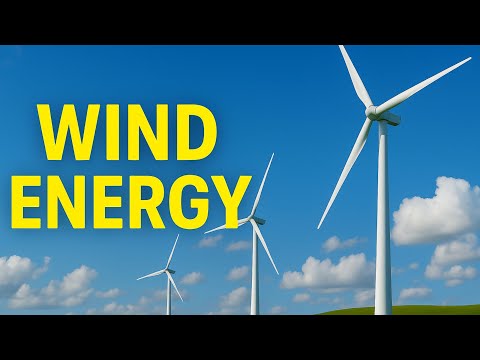
You know that feeling when a breeze blows by, and you can’t help but close your eyes and just breathe it in? That’s nature’s way of giving us a little hug. Well, what if I told you that same breeze could power your home?
Yup, wind power is like the cool cousin of renewable energy. It’s clean, it’s efficient, and honestly, it’s pretty clever how we’ve figured out how to use it.
I remember this one time, my buddy set up a makeshift kite in his backyard to catch some wind. It was all tangled up and ended with us laughing so hard we could barely breathe. But that light-hearted moment got me thinking: if only we could harness all that wind energy instead of just having fun with kites!
So let’s chat about how this powerful force can move beyond childhood games into something serious yet super exciting.
Exploring the Science Behind Wind Energy: Technologies for Harnessing Renewable Power
Wind energy is one of those cool things in nature that we’ve figured out how to use for our benefit. You know, like how a kite flies? Well, wind energy harnesses that same idea but on a much larger scale. It’s all about capturing the movement of air and converting it into something useful—like electricity.
So, what’s the science behind this? Basically, the wind moves because of differences in temperature and pressure in the atmosphere. When warm air rises, cooler air rushes in to take its place. This movement creates wind. It’s kind of fascinating when you think about how something so natural can be turned into power!
The star of the show here is the **wind turbine**. These structures look like giant pinwheels or fans and are designed to capture wind’s kinetic energy. Here’s how they work:
- Blades: Wind spins the blades, usually three of them for stability.
- Rotor: The blades are connected to a rotor that captures this spinning motion.
- Generator: The rotor turns a generator which then converts the mechanical energy into electrical energy.
If you’ve ever seen a turbine up close, you might’ve noticed how massive they are. Some can be taller than buildings! That height helps them catch more wind because wind speed increases with altitude.
Now let’s talk about some innovative technologies that help improve wind energy efficiency:
- Smart Wind Turbines: These use sensors and software to optimize performance by adjusting blade angles based on real-time conditions!
- Floating Offshore Wind Farms: Believe it or not, turbines can float on water! This opens up new areas for harnessing wind where it blows harder and more consistently.
- Turbine Clustering: By grouping turbines together strategically, we can avoid turbulence between them, boosting overall efficiency.
And here’s an interesting tidbit: Every time I see a field full of these towering beauties spinning away, I can’t help but think back to my childhood days flying kites at the park with my friends. That feeling—the thrill of harnessing something as wild as the wind—sticks with you.
But it’s not all sunshine and rainbows; there are challenges too. For example, not every location is suitable for turbines due to zoning laws or environmental concerns. Plus, there are issues related to wildlife like birds or bats getting caught up in them.
So why is all this important? Well, transitioning from fossil fuels is crucial for our planet’s health! Wind energy produces **no direct emissions**, making it cleaner than traditional sources like coal or natural gas.
With technology advancing every day and awareness growing about climate change, investing in renewable sources like wind power could lead us toward a more sustainable future. Seriously—it may just save our planet one breeze at a time!
Exploring Innovations in Wind Energy: Advances Shaping the Future of Renewable Science
Wind energy is, you know, a pretty cool topic these days. With all the talk about climate change and finding cleaner ways to power our lives, wind energy is stepping into the spotlight like a rock star. So, what’s the deal with the innovations in wind energy? Let’s break it down!
First off, **turbine technology** has come a long way. Remember those old-school turbines? You’d see them and think “Wow, that looks kinda cool!” But now they’re getting taller and more efficient. Modern turbines can reach heights of up to 300 feet! That’s like a 30-story building. Why so tall? Well, wind speeds tend to be stronger at higher altitudes. The higher you go, the more energy you can harness.
One exciting advancement is **floating wind farms**. Imagine being out in the ocean, miles away from shore, with massive turbines bobbing on platforms in the water. They can capture wind energy where it’s strongest and most consistent—like in coastal areas or offshore locations. Plus, these floating structures can be placed where traditional turbines wouldn’t even fit! Just think how much more power we could generate.
Now let’s talk about **smart technology**, because hey, who doesn’t love tech? New sensors and software allow turbines to work more efficiently by monitoring wind conditions in real time. They adjust their blades automatically to capture as much wind as possible without any human intervention—pretty impressive! This means they can produce more electricity even when conditions aren’t perfect.
Do you remember when drones were just cool gadgets for hobbyists? Well, they’re now being used for turbine maintenance! Operators send drones up to inspect turbines instead of having workers climb them all day long—a total game changer for safety and efficiency.
Another neat thing: **energy storage systems**. Wind doesn’t blow all the time—sometimes it’s calm as Sunday morning coffee chats! So when there’s lots of wind and tons of energy is generated during peak times, we need a good way to store it for when demand increases later on. Innovations like high-capacity batteries or even pumped hydro (which uses excess power to pump water uphill) help solve this problem.
And speaking of demand—there’s also a growing interest in **community-based wind projects**. Instead of big companies running everything from massive farms far away, local groups are stepping up to install smaller turbines right in their backyards or communities. This not only makes them more sustainable but really helps people feel connected to their own energy sources.
In summary:
- Turbine Technology: Taller and more efficient designs.
- Floating Wind Farms: Capturing energy offshore where winds are stronger.
- Smart Technology: Sensors that let turbines optimize their performance automatically.
- Drones: Used for safe inspections rather than climbing.
- Energy Storage: Innovations like batteries help store excess power for later use.
- Community-based Projects: Local initiatives allowing neighborhoods to harness their own wind energy.
So yeah, there’s so much happening in the world of wind energy right now! It feels good knowing we’re making strides toward cleaner alternatives, doesn’t it? The future looks bright—or should I say windy—for renewable energy!
Exploring Innovation in Renewable Energy: Advancements and Scientific Breakthroughs
Renewable energy is one of those topics that can get you really excited, right? I mean, just think about it! We’ve got all this power coming from the sun, wind, and water. And wind power? That’s like catching nature’s breath and turning it into electricity. So let’s break down how innovation is changing the game in this field.
Wind Energy Basics
First off, you might be asking yourself: how does wind actually create energy? Well, it’s pretty much like flying a kite. When the wind blows, it makes the blades of a turbine spin. This spinning motion turns a generator that produces electricity. Pretty cool, huh?
Innovations in Turbine Design
But here’s where things start to get exciting! Recent advances in turbine design have been nothing short of revolutionary. For example:
- Vertical-Axis Turbines: These are different from the typical horizontal ones and can capture wind from any direction! More versatile?
- Floating Wind Farms: Imagine turbines out at sea on floating platforms! They can capture stronger winds far from land.
- Larger Blade Sizes: Bigger blades mean more surface area to catch wind. Some newer turbines have blades longer than a football field!
Materials Science Breakthroughs
Then there’s the materials side of things. Researchers are now using advanced composites that are lighter but super strong. This helps make turbines more efficient. Plus, they can withstand harsher environments without falling apart!
I remember visiting a wind farm once and seeing those giant machines up close. It was like standing next to skyscrapers—just awe-inspiring! You could really feel the power in those blades.
The Role of Artificial Intelligence
And here’s another twist: artificial intelligence (AI). AI is getting involved in optimizing the performance of these turbines by predicting weather patterns and adjusting their positioning accordingly. It’s like having a smart friend who knows when it’s time to turn up your kite or move it out of harm’s way!
Sustainability and Environmental Impact
Now you might think about the *environmental impact*. Good news! Modern wind farms are designed with wildlife in mind, placing them away from migration paths and using technology to reduce bird collisions.
But wait—there’s more! Some companies are even looking at ways to recycle old turbine blades rather than sending them to landfills! How great would that be?
The Future Looks Bright!
So where do we go from here? Well, innovation in renewable energy is constantly evolving. With global demand for cleaner energy increasing every day, you’ll likely see even more exciting advancements ahead.
In summary, harnessing wild winds isn’t just about keeping up; it’s about leading us into a sustainable future where energy doesn’t come at such a high cost to our planet. And honestly? That feels pretty good!
You know, wind power has always been kind of a mystery to me. I mean, it’s just the wind, right? But when you really think about it, there’s this amazing science behind how we turn those gusts into energy. It’s like nature’s own little power plant just waiting for us to tap into it.
I remember this one time when I was visiting a coastal town—there were these giant wind turbines spinning in the distance. Honestly, it was mesmerizing. Those huge blades gracefully slicing through the air made me appreciate the force behind them. They’re not just pretty structures; they’re harnessing something powerful. Just standing there, feeling that breeze on my face, I thought about how that same wind could potentially light up someone’s house or charge a car.
So here’s the deal: wind is free and abundant in many places, but turning it into usable energy takes some clever science. Wind turbines work by capturing kinetic energy—the energy of motion—from the air around them. When the wind blows, it spins the blades attached to a rotor inside the turbine. That rotor is hooked up to a generator which converts that spinning motion into electricity. Pretty neat, huh?
There’s more to it than just slapping some turbines on a hilltop and waiting for them to spin away though! Engineers have been working hard on making these bad boys more efficient and effective. They look at everything from blade design to turbine height because guess what? The higher up you go, the faster and less turbulent the winds are!
Sometimes I think about how far we’ve come with renewable energy sources like this one compared to a few decades ago when fossil fuels dominated our power generation scene—like dinosaurs ruling the land! Now we’re getting smarter about using what nature gives us without ruining our planet in return.
Of course, not everything is smooth sailing; there are challenges too. For instance, some folks argue that wind farms can mess with local wildlife or ruin scenic views (difficult topics for sure). Still, ongoing research is helping us navigate these issues as best we can.
To wrap it up—you know what? Wind power isn’t just about technology or innovation; it’s also about creating a sustainable future for all of us! Every time I feel that cool breeze tickling my skin now, I’ll remember there could be someone out there benefiting from all that raw energy flowing through our world.