You know what’s kinda funny? When I was a kid, I thought wind was just nature’s way of giving me a bad hair day. Seriously! I didn’t get that it could actually be used to power things.
But here we are, living in an age where that same force is being harnessed for energy! Wind turbines are popping up everywhere, like giant pinwheels dancing in the breeze.
It’s pretty wild how far we’ve come with renewable technology. I mean, at some point, someone must’ve looked at those whirling blades and thought, “Hey, why not use this?” And now? We’re tapping into one of the most abundant energy sources out there.
So let’s chat about how this all works and why it matters so much. You in?
Harnessing Wind Energy: Exploring the Technologies Behind Turbines and Renewable Power Solutions
Wind energy is like nature’s gift, and seriously, harnessing it is a game-changer for our planet. It’s clean, renewable, and doesn’t pollute our air—what’s not to love? So let’s dig into how we catch that wind with some cool tech!
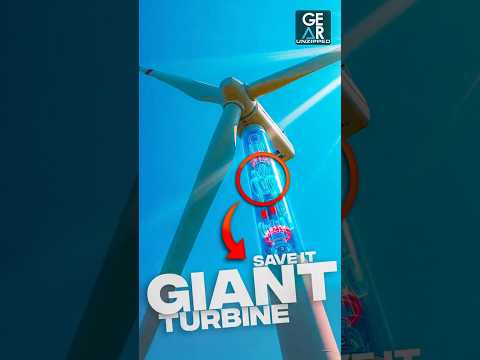
First off, the main star of this show is the **wind turbine**. You know those giant windmills you see on hills? Yep, those are them! They work by converting the kinetic energy of wind into mechanical power. When the wind blows, it makes the blades spin. This spinning motion turns a shaft connected to a generator that produces electricity.
Now, let’s break down how these turbines actually work:
- Blades: Usually three of them are aerodynamically designed to maximize efficiency. Think of them like airplane wings – they catch the wind and start turning.
- Nacelle: This is where all the magic happens! The nacelle sits atop the tower and houses key components like the generator and gearbox.
- Tower: Taller towers help capture higher wind speeds. Some can reach up to 100 meters! It’s all about getting that breeze flowing smoothly.
- Control system: These systems ensure optimal performance by adjusting blade angles based on wind conditions – clever little gadgets!
Something interesting? The **largest offshore turbine** can produce enough energy to power thousands of homes. Like, imagine one device making such an impact! Offshore turbines are getting more popular since winds over water tend to be stronger and more consistent.
But hey, harnessing wind energy isn’t just about spinning blades. There’s more going on behind the scenes. Picture this: every time a turbine spins, it’s also connected to an entire network that makes sure electricity gets where it needs to go. That involves:
- Grid integration: Turbine-generated electricity needs to flow seamlessly into the power grid so everyone can use it.
- Energy storage: Wind doesn’t blow all day—so using batteries or other storage solutions helps keep things stable for when demand peaks.
And here’s where it gets kinda emotional too: think back to times you experienced a blackout or your neighborhood powered down during a storm. Now imagine if we could rely more on renewables like wind; those dark moments wouldn’t feel so scary!
With advancements in technology, we’re looking at smarter systems and even smaller-scale turbines for homes and communities—not just large fields full of giants but also personal ones in backyards! It’s exciting because this means more people can tap into clean energy right where they live.
So yeah, exploring these technologies isn’t just about mechanics; it’s also about our planet’s future. Every turn of those blades signifies hope toward cleaner air and sustainable living for generations ahead. And honestly? That’s something worth cheering for!
Harnessing Wind Energy: Unveiling the Science Behind Renewable Power Generation
Wind energy is kind of like magic, but it’s all about science. You know that breezy feeling when you step outside? That’s the wind! And people have figured out how to turn that breeze into power. Seriously, it’s pretty neat.
To start with, let’s talk about what wind energy is all about. Basically, wind energy is generated by using large machines called wind turbines. These turbines catch the wind with their big blades and convert its kinetic energy—yeah, that’s the energy of motion—into electricity. It’s like flying a kite but way more high-tech!
Now, here’s how this whole thing works in a nutshell. When the wind blows, it pushes against the turbine blades. This makes them spin around and around. The spinning blades are connected to a generator inside the turbine, which converts that mechanical motion into electrical energy. So from breeze to electricity—it’s a pretty cool transformation!
But there are some important factors at play here. Here are a few key points:
- Location Matters: Wind turbines need to be placed where wind is strong and consistent.
- Turbine Design: Different designs can capture more or less wind energy depending on their size and shape.
- Efficiency: Not all wind gets converted to electricity; there are losses during conversion.
- Aesthetics and Wildlife: Wind farms can affect local landscapes and wildlife habitats.
Let me tell you a little story about my friend Lucy. She lives in a windy area by the coast, right? One day she took me to see this huge wind farm on a hilltop. The turbines were spinning in sync with the gusts of wind—it was mesmerizing! It made me realize how nature can actually help us generate clean power.
Now, one common question people ask is: “How do we know when to use this energy?” Well, here’s where it gets interesting! Wind patterns change throughout the year—some seasons are breezier than others—and sometimes there’s too little or too much wind at any given moment. That’s why energy grids need backup sources or storage solutions like batteries for those calm days.
Also, not every place is suitable for huge turbines; that’s why smaller-scale options like vertical-axis turbines exist too! They’re typically used in urban settings or small communities where space is limited.
In recent years, technology has really stepped up its game in harnessing this renewable resource more efficiently than ever before. Innovations include smarter blades designed for higher output and predictive analytics software that helps manage how much electricity we’ll need versus what we’re generating.
So next time you’re outside on a windy day, take a moment to appreciate how something as simple as blowing air has become such an essential part of our journey towards cleaner energy solutions—and remember: harnessing that power isn’t just about technology; it connects us to nature as well!
Exploring the Latest Innovations in Wind Turbine Technology for Residential Energy Solutions
Well, if you’re curious about wind turbine tech for homes, let’s break it down in a chill way. Wind energy is becoming a bigger deal for residential use. You might have seen those big turbines on farms or near the coast, but now there’s a push to make smaller ones just for your backyard or roof.
First off, small-scale wind turbines are definitely gaining traction. These are designed specifically for residential use and can power your home while reducing your energy bills. Unlike their gigantic cousins that you see at wind farms, these ones can be as tall as a streetlight and work even on moderate wind days.
So, how do they work? Well, when the wind hits the blades of the turbine, it spins them around. This spinning action turns a generator inside which creates electricity you can use right at home! Pretty neat, huh?
Now let’s chat about innovative designs. Recent advancements mean that these small turbines don’t just look cooler; they’re also more efficient. For instance:
- Vertical-axis turbines: These look like giant egg beaters and can catch wind from any direction without needing to be turned.
- Increased durability: New materials and tech make them last longer in various weather conditions—so no worries if it rains or snows.
- Smart connectivity: Some turbines connect to smart grids or apps that let you track production and adjust settings easily.
You know what’s wild? It used to be that installing wind energy systems was kind of a hassle with permits and stuff. But nowadays, many places are streamlining those processes to encourage people to go green! In some areas, you might even get tax incentives for going the windy route.
Let’s not forget about batteries. Since the wind doesn’t blow all the time (wish it did), having good battery storage is key. Recent innovations mean we’re seeing batteries that store more energy for when you need it most—like during calm days or at night.
And hey, have you thought about how this affects the environment? The thing is, using your own wind power can really reduce your carbon footprint! It’s like giving Mother Nature a high-five whenever you turn on your lights.
Of course, there are challenges too. Not every location is perfect for home turbines—if you live in an area with low average winds or lots of buildings blocking airflow, this might not be ideal for you.
But overall? Wind turbine technology is moving fast! The blend of efficiency improvements and new designs makes it exciting if you’re looking into sustainable energy solutions at home. Just imagine enjoying lower electric bills while knowing you’re part of something bigger—helping out our planet one breeze at a time!
Wind energy is like that friend who shows up late to the party but ends up being the life of it. A bit unexpected, right? I remember standing on a hill once, looking out at a massive wind farm, those giant turbines spinning gracefully against the backdrop of a sunset. It felt almost magical, seeing nature and technology harmonizing in such a beautiful way.
Now, let’s break it down. Wind energy has come a long way since those early days when people just used simple windmills to pump water or grind grain. Nowadays, we’ve got these sleek, towering turbines that can generate enough electricity to power thousands of homes. Seriously! It’s wild how one turbine can produce more energy than some countries did back in the day.
The advancements in technology have been pretty impressive too. For one, newer turbines are not only taller but also more efficient; they can catch even the slightest breeze and turn it into electricity. Plus, we’ve started using materials that are lighter yet stronger—kind of like when you trade your chunky phone for one that’s slim and sleek without losing any functionality.
And it’s not just about size; it’s about location as well! People are getting smart about where they put these wind farms. Offshore sites are becoming super popular because there’s often more consistent wind out there compared to land-based locations. So, you end up with cleaner energy and fewer complaints from folks living nearby—win-win!
But hey, as cool as this all sounds, there are still bumps on this road ahead. Some folks worry about the impact on wildlife or how these turbines might mess with local landscapes. And while I get that—nature is precious—we also gotta balance it with our need for cleaner energy sources.
So yeah, harnessing wind energy feels like riding a wave that just keeps growing stronger and stronger. It represents hope and innovation at its best. Each turbine spinning is like an optimistic nod towards a greener future—one where we rely less on fossil fuels and more on what nature offers us freely: wind! How cool is that?