You know what’s wild? I read the other day that way back in the 1950s, if you wanted to power your entire home with solar energy, you’d basically need a small fortune. Like, who knew sunshine could cost so much?
Fast forward to now, and that’s changed big time. Seriously, the advancements in silicon solar cell tech are like magic—only it’s science, which is kind of cooler.
I mean, picture this: your roof soaking up sunlight while your fridge hums away happily. That’s just part of it! These little silicon wonders are popping up everywhere. From rooftops to massive solar farms, they’re making green energy not just possible but practical too.
So, hang tight! We’re gonna chat about how these bad boys work and why they’re taking over the energy scene nowadays. It’s all about embracing sunny vibes—literally!
Exploring Innovations in Silicon Solar Cell Technology: Applications and Future Perspectives
Silicon solar cells have been around for a while, and you know what? They’ve really changed the game for renewable energy. So, let’s get into how these things work and where they might be headed, shall we?
First off, silicon solar cells are made from silicon wafers. When sunlight hits these wafers, it knocks electrons loose. This creates an electric current which is then harnessed to power our homes and devices. Pretty neat, right?
Now, there have been a ton of innovations in this field lately. One of the most exciting developments is in **cell efficiency**. Manufacturers are now using techniques like passivated emitter rear cell (PERC) technology. It’s basically a way to enhance light absorption and reduce energy loss. Recent models can reach about 24% efficiency! That’s like squeezing out more juice from the same orange.
Another cool thing that’s happening is the use of **bifacial solar panels**. These panels can capture sunlight on both sides which means they can produce more energy compared to traditional ones. Imagine placing one of these beauties in a reflective area—hello extra power!
And let’s talk about flexibility too! There’s ongoing research into **thin-film solar cells**, which are lighter and can be applied almost anywhere—like on windows or even clothing! Can you picture walking around with a jacket that powers your phone? Wild!
Now, as for applications, silicon solar cells aren’t just powering homes anymore; they’re doing tons of other things too:
- Industry: Factories are installing large arrays to cut down on electricity costs.
- Agriculture: Solar panels can be integrated into farms to provide power while also serving as shade for crops.
- Transportation: Think about buses or trains powered by renewable energy—so cool!
But wait, there’s more! With advancements in **energy storage**, we’re looking at ways to store all that sunlight we capture during the day for use at night or on cloudy days. Batteries are improving too! They’re getting cheaper and more efficient every year.
Now, looking toward the future? Forecasts suggest that by 2030 we’ll see even greater integration of silicon solar cell technology into everyday life—maybe every building will generate its own energy or entire cities will run on renewables.
So yeah, innovations in silicon solar cell tech aren’t just promising—they’re already changing how we think about energy. It makes you wonder where this journey will take us next, doesn’t it? You’ve got all this potential waiting to be unlocked!
Recent Advances in Solar Photovoltaic Technologies: Enhancing Efficiency, Innovative Materials, and Diverse Applications in Renewable Energy Science
The world of solar energy is buzzing with excitement lately, especially in the realm of photovoltaic technologies. You might be asking yourself, what’s the hype all about? Well, let’s break it down a bit.
First up, efficiency. Solar cells are getting better at converting sunlight into electricity, and that’s a big deal. Traditionally, silicon solar cells have been pretty standard—most of us know them from rooftops and solar farms. But recent advances have pushed their efficiency levels higher than ever before. The latest silicon cells can reach efficiencies above 26%. That means more power from the same amount of sunshine!
Now, you may think that’s impressive enough. But there’s more to the story! Researchers have been experimenting with new materials to enhance performance even further. One such innovation is perovskite solar cells. These are made from a unique structure that allows for light absorption that’s super effective. Just imagine: they can be produced using cheaper materials and simpler processes than traditional silicon cells. There have even been breakthroughs where they’re combined with silicon to create an incredible hybrid system! This combo can achieve efficiencies over 30%, which is pretty remarkable.
Speaking of innovative materials, let’s take a second to chat about organic photovoltaics too. These are made from carbon-based materials and have some exciting potential for flexible applications—like solar panels that can roll up like a mat! Think about it; you could cover your backpack in solar material and charge your devices on-the-go! This flexibility opens doors for all sorts of new uses.
Now let’s not forget about how these advancements can actually fit into our daily lives. With rising energy demands and climate change challenges, more diverse applications are critical. For instance, new technologies have led to better integration of solar panels with building materials—a concept known as bipolar photovoltaic systems. This means windows and roofs that look sleek but also generate energy! It’s like adding style while saving the planet at the same time.
But come on, it isn’t just about tech upgrades; it involves real-world implications too! Imagine entire communities powered by localized solar farms or rooftops turning neighborhoods into self-sufficient energy hubs. It can drastically reduce our dependence on fossil fuels.
To wrap things up: The advancements in silicon solar cell technology and its newer counterparts aren’t just buzzwords—they represent real possibilities for how we harness renewable energy moving forward. We’re talking higher efficiencies, innovative materials like perovskites or organics, and applications that blend seamlessly into our environment.
So next time you see a shiny panel on someone’s roof or hear chatter about renewable energy, remember there’s some exciting science happening behind the scenes! Isn’t that something worth thinking about?
Advancements in Perovskite Solar Cells: Revolutionizing Renewable Energy in Modern Science
You know, when it comes to solar energy, there’s been a lot of buzz around perovskite solar cells lately. They’re kind of like the new kids on the block compared to good ol’ silicon solar cells. It’s pretty cool how fast things are moving in this field.
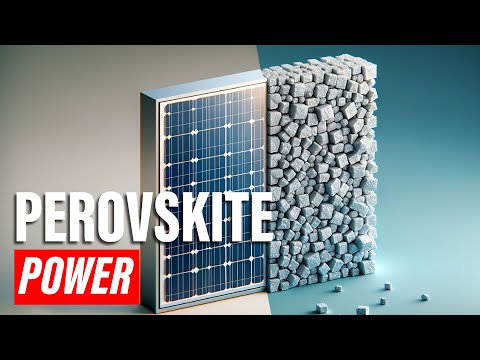
First off, let’s talk about what makes these perovskite cells special. They’re made from materials that have this unique crystal structure called perovskite, which is usually some combo of materials containing lead or tin mixed with halides. The thing is, they can be created easily and cheaply, which puts them ahead of traditional silicon when it comes to production costs.
Now, you might be asking yourself why would we even need something different from silicon? Well, for one, perovskite solar cells can achieve similar or even better power conversion efficiency. In tech terms, that basically means they can convert sunlight into electricity more effectively. Higher efficiency means more power from less surface area — so fewer panels needed for the same amount of energy!
There’s also this neat little thing called flexibility. These cells can be made on lightweight substrates. This means you could potentially stick them on rooftops or even clothing! Imagine walking around with a solar-powered jacket charging your phone while you stroll through the park.
However, it’s not all sunshine and rainbows yet. There have been concerns about the stability and longevity of perovskite cells under real-world conditions. Unlike their silicon counterparts which can last decades, perovskites have had issues with moisture and heat resistance. But researchers are working hard on improving their durability.
Another interesting aspect is the potential for sustainable production. Since they can be manufactured using low-energy processes and don’t require rare materials (like some other high-efficiency solar technologies), they have a smaller environmental footprint during production.
Interestingly enough, these advancements are driving innovation in tandem with silicon technology too! To put it simply:
- Hybrid Solar Cells: Some scientists are exploring combining perovskites and silicon to create hybrid models that could take advantage of both technologies.
- New Applications: With their unique properties, we could see advances in building-integrated photovoltaics — think windows that generate energy!
- Research Development: Ongoing studies are constantly finding new ways to improve efficiency rates even further.
So yeah, as we move forward into this exciting era of renewable energy research, perovskite solar cells definitely look set to play a crucial role alongside traditional silicon technology. It’s like having two superheroes fighting climate change instead of just one! You follow me?
Silicon solar cells are, like, a really cool example of how science and tech have advanced over the years. I mean, when you think back to the first solar cells made from silicon in the 1950s, it’s kind of mind-blowing. They were big and bulky, not super efficient, and honestly not very practical for everyday use. Fast forward to today, and we’ve got these sleek panels that can capture sunlight with impressive efficiency.
You know, my buddy just put solar panels on his roof last summer. He was so pumped about it! I remember him looking at his electricity bill for that first month after installation—like a kid on Christmas morning when he realized how much he was saving. It’s amazing to see these advancements making such a big difference in people’s lives.
So what are some of those advancements? Well, technology’s come a long way in perfecting these silicon cells. Nowadays, we have things like PERC (Passivated Emitter and Rear Cell) technology that’s helped boost efficiency levels significantly—like from around 15% to over 22%. This basically means more sunlight gets turned into usable energy without needing bigger panels. Just think about how that could change the energy game!
And then there’s bifacial solar cells. These bad boys can collect sunlight from both sides! Which is just wild if you think about it. That means they can generate even more power by reflecting light off surfaces below them—ground or other structures—even if there are clouds around.
But it’s not only about efficiency; it’s also about applications! You’re starting to see silicon solar technology make its way into all kinds of places—from smart homes powered solely by the sun to huge solar farms generating tons of renewable energy for entire communities. Plus, there’s even talk of integrating solar cells into windows and building materials—imagine living in a house that literally generates its own electricity!
Still, even with all these advancements, there are challenges ahead too. Like recycling old solar panels or getting rid of toxic materials used in production; they’re important conversations happening right now as we push further into this renewable future.
So yeah, when you look at where we started with silicon solar cells and where we are now—it feels like we’re on the cusp of something pretty amazing. It’s exciting to think about what comes next!