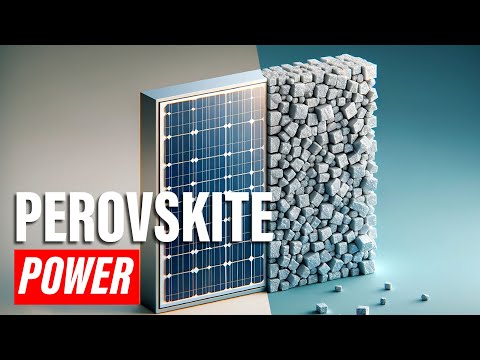
You know what’s wild? The first solar cells were invented over 60 years ago. Yeah, that’s right! Back then, they were more like fancy calculators than the sleek panels we see now. It’s like watching your grandparents try to use a smartphone!
Fast forward to today, and we’re chatting about PERC solar cell technology. These little marvels are game changers in the world of clean energy. Seriously! They’re more efficient and can soak up more sunlight than those old-school cells.
Just think about how much energy could be snagged from the sun with these advancements. It’s pretty cool, huh? So grab your shades because we’re diving into how PERC technology is shaking things up and making our planet a cleaner place!
TOPCon vs. PERC Solar Cells: A Comparative Analysis of Efficiency and Performance in Photovoltaic Technology
Alright, let’s talk about solar cells, specifically TOPCon and PERC solar cells. These two types are making waves in the photovoltaic game. You might be wondering what the fuss is all about. I mean, it’s just sunlight turning into electricity, right? Well, there’s a lot more to it!
First off, let’s break down what PERC is all about. PERC stands for Passivated Emitter and Rear Cell. This technology basically improves efficiency by adding a layer on the back of the solar cell that helps capture more sunlight. Think of it like putting a cozy blanket on your bed to keep in warmth—this layer keeps more light from sneaking away!
Now, onto TOPCon which stands for Tunnel Oxide Passivated Contact. This is a bit newer and kind of fancy. It uses a thin oxide layer that allows electrons to move freely while keeping the cell less affected by things like heat and light-induced degradation. It’s like having a super highway for sunlight! So what does that mean for efficiency?
- PERC cells: Typically range from about 18% to 22% efficiency.
- TOPCon cells: Can push efficiencies around 23% or even higher!
You see? That extra oomph in TOPCon makes it stand out! But wait—efficiency isn’t everything. Performance in different conditions plays a big role too.
PERC cells have been around longer, so they’re pretty well tested under various weather conditions. They hold up well in low light and even perform decently when it’s hot outside! However, TOPCon’s performance shines—literally—when we talk about high temperatures or partial shading because of those nifty electron highways I mentioned earlier.
To give you an example: if you live somewhere with lots of bright sunshine but also intense heat during summer months (hello desert dwellers!), TOPCon might be your best bet! On the flip side, if you live in an area where it gets cloudy often or has less direct sun rays most days, PERC would still do its thing without too much fuss.
One thing that’s worth mentioning is cost. Right now, PERC technology can be cheaper to produce since it’s been around longer and companies have figured out how to streamline manufacturing processes. But as more folks jump into the TOPCon space, prices could go down too.
The bottom line here? Both technologies have their quirks and benefits. Depending on where you live and your specific needs,PERC might save you some cash upfront while TOPCon could bring better performance over time.
Your choice might boil down to balancing initial investment with long-term benefits. Make sense? Anyway, keeping an eye on these advancements helps us understand how we can make solar power even better for everyone!
Understanding PERC Technology in Solar Energy: A Scientific Overview
So, let’s chat about PERC technology in solar energy. It’s one of those buzzwords popping up a lot lately. What does it actually mean? Well, **PERC** stands for **Passivated Emitter and Rear Cell**. Sounds fancy, right? But stick with me; I promise it’s not as complicated as it sounds.
To start with, PERC cells are basically a type of solar cell that’s designed to capture more sunlight than traditional cells. Usually, these cells use silicon as their main material. Traditional solar cells absorb light through a layer of silicon on the front side only. Here’s where PERC gets interesting: they add an extra layer at the back. This helps to reflect unabsorbed light back into the silicon, giving it another shot at being converted into energy. Pretty clever!
Now, you might be thinking: “What does this mean for all of us?” Well, by capturing more sunlight, PERC technology can improve the efficiency of solar panels. Typical solar panels can hit around 15% to 20% efficiency. With PERC cells? We’re talking 22% or even higher in some cases! That means you can generate more power without needing extra space for more panels.
Let me tell you about my buddy Jason. He put PERC panels on his roof last summer. He used to complain about how his electricity bills ate up a good chunk of his paycheck every month—like it was a hungry monster! Since switching to PERC technology, he noticed he could pull in more energy and save some cash. He even jokes that now he has extra funds for pizza nights instead!
But there are other cool benefits too! The manufacturing process for these cells is often simpler and doesn’t require as much energy compared to some older technologies. This is important because reducing the overall environmental impact is what we’re aiming for with clean energy solutions.
Here are a few key points about PERC technology:
- Increased Efficiency: More light absorption means better performance.
- Cost-Effectiveness: They can be produced at a lower cost thanks to reduced manufacturing complexity.
- Wider Application: Works well in different environments—like residential homes or larger solar farms.
- Sustainability: Less energy used in production supports eco-friendly goals.
A little downside? Sure! They can be slightly more sensitive to higher temperatures compared to conventional panels—heat doesn’t really help when generating electricity efficiently—but it’s not a dealbreaker by any means.
So here’s the gist: whether you’re considering solar power for your home or just curious about clean energy advancements, understanding PERC technology gives you insight into how smarter engineering helps us harness renewable resources better than before. It feels good knowing that science keeps pushing boundaries for cleaner living!
2022 Breakthroughs in PERC Solar Cell Technology: Innovations Driving Clean Energy Solutions
PERC solar cells have been making waves in the renewable energy sector, and it’s all about their ability to capture sunlight more efficiently. So, what’s the deal with them? Let me fill you in on some breakthroughs from 2022 that really pushed these technologies forward.
The big leap last year was about improving the efficiency of these solar cells. Researchers found ways to tweak the structure of PERC cells. By adding layers that reflect light better, they managed to boost energy capture. Imagine a sponge soaking up water; if you modify that sponge to be even more absorbent, it naturally holds more liquid. That’s what happened with these solar cells!
Now, let’s break down a few key innovations from 2022:
- Material enhancements: New materials were explored to replace some old ones used in PERC technology. These changes helped reduce costs and increase performance.
- Manufacturing processes: Improvements in how these solar panels are made have reduced waste and sped up production times. That’s crucial because the quicker we can make them, the faster we can transition to renewable energy.
- Temperature resilience: They also worked on making PERC cells work better under high temperatures. If you’ve ever left your phone on a sunny dashboard, you know heat can mess things up! A cell that handles heat well is key for places where temps can soar.
- Tandem solar cells: The introduction of tandem structures— which combine two different types of material— has shown promising results in boosting efficiency even further.
And here’s where it gets emotional: Think about families deciding between paying bills or investing in clean energy solutions. The advancements in PERC technology could help lower those upfront costs, making it easier for everyone to switch to renewable resources.
The drive towards cleaner energy isn’t just about saving money; it’s about saving our planet for future generations too. Knowing that enhanced PERC technology could play a pivotal role? It’s kind of inspiring! You see how science is connecting dots between innovation and real-world impact? It feels good knowing there’s progress happening that could lead us toward a greener tomorrow.
So yeah, 2022 was a pretty exciting year for PERC solar cell technology! With ongoing improvements, we might just see these innovations become mainstream sooner than we think.
You know, when it comes to solar energy, things have been evolving so fast, it’s almost hard to keep up. I mean, think about it—just a few decades ago, the idea of harnessing sunlight to power our homes seemed like something out of a sci-fi flick. Now, here we are with PERC solar cell technology making waves.
So, what’s all the fuss about PERC? Well, it stands for Passivated Emitter and Rear Cell. It sounds super technical but hang on, it’s actually pretty neat! These cells basically boost efficiency by minimizing energy loss through their design. Imagine being able to squeeze just a little more juice out of every ray of sunshine that hits your roof. That’s like finding an extra slice of pizza in the box when you thought it was empty—total win!
I still remember that time my friend decided to go all eco-friendly and installed solar panels on his house. At first, he was skeptical about how much energy they’d actually generate. But once they were up and running, his electricity bills plummeted! He couldn’t stop smiling—that moment was priceless. It kind of made you feel like maybe we really can make a difference with clean energy.
PERC cells have been showing promise in pushing conversion efficiencies above 20%, which is amazing compared to traditional solar cells. And if you think about what that means for our planet… wow! Less reliance on fossil fuels could help combat climate change in a big way.
But it’s not just about efficiency; there’s also the cost factor. As these technologies advance and become more widespread, prices are starting to drop which is great news for everyday people who want to embrace renewable energy without breaking the bank.
Still, there’s this ongoing conversation about where exactly we’re headed with these advancements. Some folks worry that even with better technology and lower costs, we might stall out without proper policy support or infrastructure to back it up.
In any case, it feels like we’re at this tipping point where things are finally moving in the right direction toward something sustainable and green. Just thinking about the potential for clean energy makes me hopeful for future generations—you know? It could be a game changer if we keep pushing forward with innovations like PERC technology!