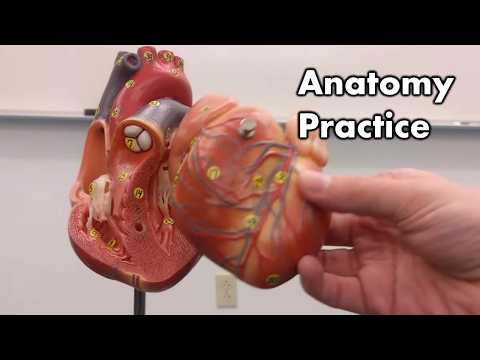
So, get this: when I was a kid, I thought the heart looked like the red squishy thing you see in cartoons. You know, the one with the little arrow through it? Cute, right? But then I learned that the actual heart is way more complicated than that!
It’s an incredible organ with its own unique structure. Seriously, it’s like a tiny factory pumping blood all day long.
Now, here’s where things get really cool. Scientists and doctors have started using anatomically accurate heart models to do some groundbreaking research. These models are changing how we understand hearts and how to fix them when they don’t work right. It’s like having a super detailed map of your favorite city—you can find your way around way better!
So let’s take a closer look at why these models are making such waves in medical research. You’re gonna want to stick around for this one!
Advancements in Precision Medicine: Transforming Human Heart Modeling for Personalized Treatment Approaches
So, you’ve probably heard the term “precision medicine” floating around a lot lately, huh? Well, it’s a pretty exciting field that’s really changing the way we think about healthcare. Basically, it means tailoring medical treatment to the individual characteristics of each patient. And when it comes to the heart, advancements in anatomically accurate heart modeling are playing a huge role in making this happen.
First off, let’s talk about what these heart models actually are. They’re kind of like 3D replicas of real human hearts, created using advanced imaging techniques and sometimes even 3D printing. Imagine being able to hold a mini-version of your own heart in your hands! This helps researchers and doctors understand not just how the heart works but also how it behaves when things go wrong.
- Understanding Individual Variability: Every heart is unique. Factors like age, genetics, and lifestyle can make every person’s heart a little different. These models help visualize those differences. For instance, if you have certain genetic predispositions to heart disease, doctors can use your unique model to test various treatments.
- Drug Testing and Development: With anatomically accurate models, researchers can test how drugs will interact with specific types of hearts before using them on actual patients. This means less guesswork and more effective treatments tailored just for you!
- Surgical Planning: Surgeons now use these models as part of their pre-surgery prep. They can practice on an exact replica of your heart, which is incredibly helpful for complex procedures. It’s like a dress rehearsal before the big show.
- Aiding Education: Medical students and professionals can study these models to get a hands-on understanding of different cardiac conditions without needing real patients or cadavers.
A personal story comes to mind here: My cousin had a congenital heart defect that no one really understood until they brought in some amazing tech—like those fancy 3D models! The doctors were then able to visualize what was happening in his heart exactly rather than just guessing based on symptoms.
The future looks bright for precision medicine thanks to these advancements! It means we’ll see much bigger improvements in outcomes for patients with cardiovascular diseases—and that’s something we should all get excited about!
The thing is: while all this technology sounds incredible—and trust me, it is—there are still hurdles we need to overcome. It takes time and resources to develop these models accurately and make them available at hospitals around the world.
But with ongoing research—and some truly passionate people behind these innovations—it feels like we’re just scratching the surface of what precise medical treatment can do for our beloved hearts!
Anatomy of the Human Heart: Engaging Models for Educational Science Projects
The human heart is seriously one of the coolest organs in our bodies, right? It’s like a tireless pump that works around the clock, sending blood to all parts of you. Understanding its anatomy is not just for medical professionals; it’s super important for everyone. This is why using engaging models can be a game changer for educational projects.
When it comes to teaching about the heart, having a physical model can make things way easier to grasp. Picture this: instead of just looking at flat diagrams in a textbook, students get to see and touch something three-dimensional. It’s a bit like seeing your favorite band live versus watching them on YouTube. You feel the energy!
Creating models can be both fun and educational. Here are a few ideas for what you could work with:
- Balloon Hearts: Inflate balloons to represent different chambers of the heart. This simple model shows how they expand and contract as blood flows through.
- Clay Models: Use clay or playdough to shape an anatomically correct heart. Kids love getting their hands dirty, so why not let them sculpt their way through learning?
- Echocardiogram Simulations: You can use software or apps that simulate echocardiograms, showing real-time images as if you’re looking into an actual beating heart.
Talking about models brings back this memory from when I was in school. I remember making a huge paper mâché heart with my friends for our science fair. We painted it bright red and even added some veins made from yarn! We didn’t win, but everyone had such fun learning how blood circles through the body.
Using these engaging methods helps students recognize how crucial each part of the heart is—like the atria and ventricles—and how they all work together smoothly. But it’s not just about anatomy; it’s also great for understanding disease prevention. Realistic models show how issues like blockages happen or what it looks like during a heart attack.
Moreover, these projects can spark questions about health and fitness! When kids understand how their hearts function better, they might start thinking more about keeping it healthy with exercise and good food choices.
By emphasizing hands-on learning with anatomical models, we help create an interactive environment that makes complex subjects easier to digest—literally! So if you’re planning on crafting some awesome heart models or introducing new techniques in your next science project, remember that being creative can lead to serious breakthroughs in understanding our own bodies better!
So, let’s chat about these anatomically accurate heart models. Seriously, they’re like the coolest thing for medical research right now. Imagine having a life-like replica of a human heart right there, just waiting to be studied. It’s like going from two-dimensional paper drawings to playing with a full-blown 3D video game!
A buddy of mine once shadowed a cardiothoracic surgeon during his residency. The stories he shared were intense! He talked about how every little part of the heart plays a crucial role in keeping us alive—like, think about it: if one tiny piece goes awry, it can mean major problems. With these advanced models, researchers can see how diseases affect the heart in real time without putting anyone at risk, which is pretty wild when you think about it.
The thing is, these models are not just for show. They allow doctors and scientists to test new medications and techniques safely. You know that feeling when you finally nail that tricky recipe after messing it up a few times? That’s what they get to do with hearts: experiment and learn without the stakes being so high.
But there’s more! These models help with teaching too. Medical students can actually touch and manipulate these hearts instead of just staring at flat images in textbooks or online videos. It’s like learning how to ride a bike; you really gotta feel it to get the hang of it.
And let’s not forget about innovation—these models can be customized! If someone has a specific heart condition, researchers can create a model tailored just for that situation. It’s like having your own personal training program for your heart!
In short, these anatomically accurate heart models are pretty groundbreaking—pushing the boundaries of what we know about cardiovascular health. They’re shaping the future of medicine in ways we probably haven’t even thought of yet. And honestly? That kind of progress makes me hopeful for what’s to come in healthcare!