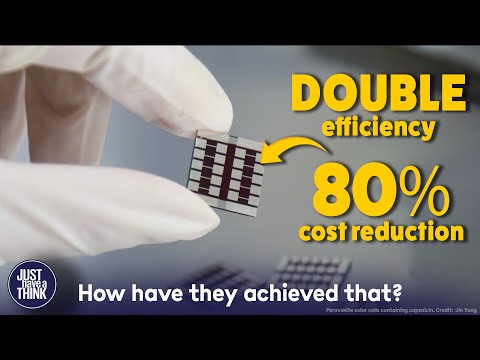
You know that feeling when you finally find the perfect parking spot? Like, it’s such a small win but it just makes your day? Well, that’s kinda like what’s happening in the world of solar energy right now with tandem solar cells.
Imagine a solar panel that’s not just good, but supercharged. Seriously! Tandem solar cells are like those overachievers in school who can ace every test and still have time to save the world. They’re designed to soak up way more sunlight than regular ones.
And you’ve got to admit, with climate change knocking on our door, we need all the help we can get. So let’s chat about this exciting tech that could change how we harness energy.
Exploring Recent Advancements in Tandem Solar Cell Technology: Applications and Insights
Tandem solar cells are seriously cool. They take solar energy capture to a whole new level. So, what’s the deal with them? Well, these cells stack two or more layers of solar cell materials on top of each other. Each layer absorbs different parts of the sunlight spectrum, which means they can convert more of that sunlight into electricity than traditional solar cells.
One major advancement in this field is using **perovskite** materials. These are super interesting because they can be tuned to absorb different wavelengths of light. Plus, they’re cheaper to produce compared to conventional silicon-based materials. Imagine you’ve got a family of robots, and each one is specialized for a specific task—perovskite layers do just that! They shine at capturing specific light colors while other materials catch what’s left.
Efficiency is key. Traditional silicon solar panels usually reach about 20% efficiency at best. Tandem solar cells? They can hit around 30%, thanks to that stacking system. Higher efficiency means more electricity from the same amount of sunlight, which is kind of a big deal for reducing energy costs and optimizing space.
Now let’s talk about real-world applications because that’s where the magic happens. When you think about rooftops or any available surface area for solar panels, efficiency matters immensely! For example, if you’re in an urban setting with limited space—like New York City—tandem cells can help squeeze out more power without needing tons of extra panels cluttering the skyline.
And get this: tandem technology isn’t just for large installations; it could be used in smaller gadgets too! Think about your favorite outdoor gear like tents with built-in panels or even vehicles that could charge themselves while parked in the sun. The possibilities seem endless!
However, it’s not all sunshine and rainbows (pun intended). One challenge facing tandem solar cells is **stability**. While perovskites are great at converting light into energy, they’re not as durable as silicon when it comes to weathering all those elements out there—the sun, rain, and dust can throw a wrench in their performance over time. Researchers are working hard on ways to improve their longevity—like adding protective layers or using better manufacturing techniques.
Looking ahead, there’s some exciting stuff brewing! Companies and research institutions worldwide are racing toward commercialization. You know how electric cars felt like they were kind of “coming soon” for a while? We might be looking at something similar here but with a lot more “bang” thanks to advancements in tech.
In summary:
- Tandem solar cells stack multiple layers for higher efficiency.
- Perovskite materials have opened doors for cost-effective energy capture.
- They’re great for urban areas where space is tight.
- Potential uses go beyond rooftops into everyday gadgets!
- The stability issue remains a challenge we have to tackle.
So yeah, tandem solar cell technology isn’t just an engineering marvel; it holds promise towards making our energy systems cleaner and more efficient moving forward. Who wouldn’t want their slice of sunlight captured smartly?
Exploring Recent Advancements in Tandem Solar Cell Technology: Applications and Insights (Free PDF Download)
Tandem solar cells have been making some serious waves in the renewable energy scene lately. Basically, they’re a game changer when it comes to capturing sunlight and converting it into electricity. So, what’s the deal with these advanced technologies?
First off, let’s break down what a tandem solar cell really is. You’ve probably heard of regular solar panels made from silicon. Well, tandem solar cells take this up a notch by stacking different materials on top of each other. This layering allows them to capture more wavelengths of light and convert them into energy more efficiently than traditional cells.
One key aspect of tandem solar technology is the use of perovskites. These materials have been turning heads because they’re cheaper to produce and can be engineered to absorb different parts of the light spectrum. Imagine you’re at a concert; if one band plays rock music and another plays classical at the same time, you get an epic blend! That’s similar to how these materials work together in tandem cells.
Let’s talk about efficiency—this is where things get exciting. Regular silicon solar panels usually max out around 20% efficiency under perfect conditions. But some tandem configurations are hitting over 30% efficiency. Think about that for a second: it means more power generation from the same amount of sunlight!
Now, here come some practical applications. Tandem solar cells aren’t just for rooftops anymore; they’re being used in various settings:
- Building-integrated photovoltaics (BIPV): Check this out—these can be infused right into building materials like windows or facades. Imagine living in a house where every surface helps generate power!
- Aerospace applications: Solar panels on satellites can benefit enormously from higher efficiencies and lighter weights thanks to these advancements.
- Hybrid systems: Pairing tandem cells with existing technologies like lithium-ion batteries creates systems that can store energy more effectively.
However, there are challenges too! For one thing, manufacturing these cells on a large scale is still tricky. It requires precise control over how these materials are layered and connected. Plus, longevity can be an issue since perovskites tend to degrade faster than silicon under environmental stressors.
But hey, researchers are hard at work tackling these problems! They’re experimenting with protective coatings and better manufacturing methods that could pave the way for widespread adoption.
So where does this leave us? The advancements in tandem solar cell technology could redefine our approach to sustainable energy production, offering not just efficiency but flexibility across various industries.
In short, as we explore roads paved by these intriguing technologies, we might find ourselves charging towards a greener future in ways we never imagined before!
Exploring 2022 Innovations in Tandem Solar Cell Technology and Their Scientific Applications
Tandem solar cell technology has been buzzing for a while now, and it’s super exciting to see how much it evolved in 2022. So, what’s the big deal? Essentially, these solar cells stack different materials on top of each other to absorb more sunlight than traditional cells. By combining layers, they can grab a broader spectrum of light and convert it into energy efficiently.
One of the cool advancements in 2022 was the improvement in perovskite-silicon tandem cells. These combinations are like peanut butter and jelly—they just work well together! Perovskites are amazing because they can be made easily and cheaply. Researchers have been working on ways to make these cells more durable and efficient. They managed to push efficiency rates up to around 30%, which is kinda mind-blowing compared to regular silicon solar panels that peak around 20%.
And get this—scientists found ways to enhance the stability of perovskite layers by adding better encapsulation materials. This means they’re not just good at converting sunlight; they could also last longer when exposed to the elements, whether that’s heat or moisture.
Another noteworthy achievement was using different light-absorbing materials, like organic photovoltaics, with tandem designs. Organic materials can be produced flexibly and even semi-transparently, which opens doors for applications in places traditional panels can’t go. Imagine having windows that also generate electricity—pretty neat, huh?
There’s also a significant push towards making these technologies accessible for larger-scale production. Teaming up with industrial partners has been key in driving down costs while increasing performance reliability simultaneously.
So what about applications? Well, the beauty of tandem solar cells lies in their versatility. They’re perfect for everything from residential rooftops to large solar farms and even autonomous vehicles! Scientists vision energy self-sufficient buildings powered by tandem systems seamlessly integrated into their design.
Lastly, we can’t forget about sustainability—because who wants a technology that harms our planet? The innovations this past year are focused not only on performance but also on using environmentally friendly materials wherever possible.
In short, 2022 was a big step forward for tandem solar cell technology. Those advancements are making it clear: more efficient energy generation is within reach! And you know what? That could mean cleaner air and a greener planet down the line—something we all want!
You know, solar energy has been around for a while, but lately, things have really started to heat up—pun intended! Tandem solar cells are one of those advancements that make you go “Wow!” They’re like the overachievers of the solar world. While regular solar cells convert sunlight into electricity with decent efficiency, tandem cells take it a step further. It’s basically like mixing two different types of materials to capture more sunlight and turn it into energy.
So here’s how it works: imagine stacking one type of solar cell on top of another. Each layer grabs light at different wavelengths. One layer might be great with blue light, while the other is better with red. Together, they can capture more sunlight overall and give you a better bang for your buck. If you think about it, it’s like teamwork; two heads are better than one!
I remember this summer when I visited a friend who had just installed some cool new solar panels. We sat in her backyard, and she was explaining how these advancements were helping to make her electric bill shrink like an old sweater in the wash! It was so inspiring to hear her excitement about being part of this eco-friendly revolution.
Now let’s talk about applications because that’s where things get even more interesting. These tandem cells aren’t just sitting pretty on rooftops—they’re being explored for space missions too! Seriously, imagine sending super-efficient energy sources beyond our planet! That could change everything from satellites to future Mars missions.
But it’s not all sunshine and rainbows; there are challenges too. Manufacturing these advanced cells can be tricky and often costs more than traditional ones. And we still need to work on making them last longer in real-world conditions. You’d want your investment to pay off over time, right?
Still, it’s heartening to think about where all this is heading—more sustainable energy sources that could power our homes and even vehicles one day! It’s like stepping into a future where we’re relying less on fossil fuels because we’re harnessing the sun more effectively.
In the end, advancements in tandem solar cell technology feel like a big leap forward for both science and society. It’s thrilling to imagine all the potential they hold as we navigate this ever-changing world together—and who knows what’s next?