So, picture this: you’re at a party, right? The music is blasting, people are dancing, and everyone’s having a blast. But then, there’s that one friend who’s just chilling in the corner. You’re like, “What’s up with you?” And they’re all, “I’m just doing my own thing.”
That friend is kind of like the erg gene—it’s not always front and center, but man, it plays a crucial role behind the scenes! Seriously, when we talk about cellular processes and our overall health, this gene brings some serious party vibes to the table.
You see, erg is like that unsung hero in your body. It helps with loads of essential stuff we often take for granted. And yet, most people have no clue what it even does. So let’s chat about why this little gene matters more than you might think!
Understanding the Role of ERG Transcription Factor in Gene Regulation and Cellular Function
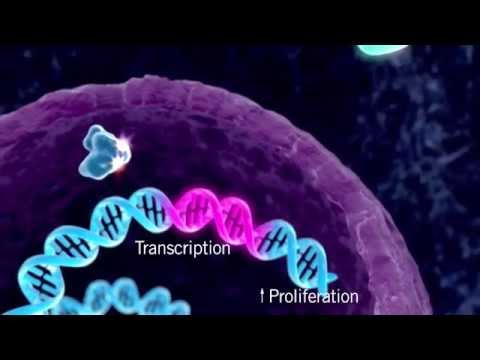
The ERG transcription factor, part of the ETS family, plays a vital role in how genes are regulated within our cells. This little guy is like the conductor of an orchestra, making sure that all the instruments—er, I mean genes—are playing nicely together. When you think about it, our cells are like tiny concerts happening non-stop. If one musician goes rogue and starts playing their own tune, things can get out of hand.
What does ERG actually do? Well, ERG is primarily involved in regulating genes that help with cellular functions such as growth, survival, and differentiation. Basically, it helps determine what type of cell something will become—like if it’ll be a muscle cell or a nerve cell. It’s pretty amazing how much power a single transcription factor can wield!
In terms of gene regulation, ERG binds to specific DNA sequences and either turns on or off the expression of target genes. This interaction is crucial because the right genes need to be switched on at the right time to keep everything running smoothly. Imagine trying to bake a cake without following the recipe properly; you could end up with something that tastes totally weird.
You might be curious about why this matters for health too.
For example, mutations in this gene can lead to certain types of cancer by disrupting normal cellular functions. It’s like when you have that one friend who just can’t stop talking about themselves at every party; eventually, it gets annoying and throws off the vibe!
Another important aspect is how ERG influences blood vessel formation—a process known as angiogenesis. You see, without proper blood vessels delivering oxygen and nutrients to tissues, your body can’t function well at all! If something goes wrong here due to issues with the ERG factor, it can lead to heart problems or even complications in wound healing.
The balance between activity and inhibition of ERG might be what makes our bodies tick or trip! It’s almost poetic when you think about it; a tiny protein playing such a massive role in our lives! It reveals how intricate our biological systems really are.
So yeah, understanding ERG helps scientists figure out not just what goes wrong during diseases but also opens up potential therapeutic avenues for treatment. By knowing how this transcription factor operates within cellular processes, researchers are working on ways to intervene when things go awry.
In summary:
- ERG regulates gene expression critical for cellular functions.
- Mutations can lead to several health issues including cancers.
- It plays a key role in blood vessel formation.
Keeping an eye on these kinds of molecules gives us valuable insight into maintaining health and tackling diseases down the road! Just think: all those tiny interactions happening inside you right now—it’s like nature’s own little magic show!
Exploring the Impact of Differential Gene Expression on Cellular Functions in Molecular Biology
Sure! So, let’s chat about differential gene expression and how it impacts cellular functions, especially with a lens on the erg gene.
Differential gene expression simply means that not all genes in a cell are active at the same time. Some are switched on (or expressed), while others are turned off, depending on what the cell needs to do. Imagine a team where only certain players take to the field at different times based on the game situation. That’s kind of like how our cells work!
In molecular biology, understanding this concept is crucial because it helps us grasp how cells adapt to their environments and perform specific tasks. So when we talk about cellular functions, we mean things like growth, division, and responding to stress. Each of these processes relies heavily on which genes are turned on or off at any given moment.
Now let’s zoom in on the erg gene. This gene codes for a protein that plays a big role in regulating various cellular processes, including apoptosis (that’s programmed cell death) and cell proliferation (how cells grow and divide). Think of it like an orchestra conductor—when the erg gene is active, it keeps everything in rhythm!
So why is this important? Well, if there’s an imbalance in expressing the erg gene, it can impact health significantly. For instance:
- If the erg gene is overexpressed, it can lead to uncontrolled cell growth. This might contribute to cancer.
- If it’s underexpressed, then cells may not divide properly or may die when they shouldn’t—a factor in degenerative diseases.
- The erg protein also influences how cells respond to signals from their environment, which is essential during development or injury healing.
A personal story comes to mind here—a close friend went through treatment for leukemia. The doctors found that certain genes were behaving abnormally during his illness; specifically, some were overactive like our buddy erg! This insight into differential gene expression was crucial for determining his treatment plan.
The takeaway? The dynamic nature of gene expression shapes cellular functionalities and has profound implications for health outcomes. By studying these patterns closely—especially with something as pivotal as the erg gene—we’re peeling back layers of complexity in biology that help us understand not just diseases but also how life itself operates.
So next time you hear about genes talking away inside your cells, remember they’re having their own little conversations about who does what when! It’s all interconnected—and pretty cool if you ask me.
Exploring ERG as a Potential Endothelial Marker: Insights and Implications in Vascular Science
Exploring the ERG Gene in Vascular Science
The ERG gene plays a huge role in shaping how our blood vessels work. It’s like the conductor of an orchestra, making sure everything runs smoothly. Basically, this gene helps produce a protein that’s super important for endothelial cells, which line our blood vessels. Without a healthy ERG gene, these cells could misbehave, leading to all sorts of health issues.
You see, endothelial cells are not just passive players; they regulate blood flow, influence inflammation, and even help in the formation of new blood vessels. When the ERG gene is functioning well, it maintains the integrity of these cells. But when things go wrong—like mutations or downregulation—the results can be pretty severe.
- Regulating Cell Growth: The ERG gene influences how endothelial cells grow and divide. If that process gets disrupted, it could lead to diseases like atherosclerosis.
- Promoting Angiogenesis: It also helps with angiogenesis—the formation of new blood vessels from existing ones. This is vital during wound healing and tissue repair.
- Impact on Inflammation: The ERG protein has a hand in controlling inflammatory responses too. If it’s not working right, inflammation can go out of control.
So you might ask: why does this matter? Well, if scientists nail down how to leverage the ERG gene as an endothelial marker, we could seriously enhance diagnostics and therapeutic strategies in vascular health.
A friend of mine had a minor injury that turned problematic due to unexpected inflammation. This really made me realize how critical proper endothelial function is—not just for injuries but for overall health! Researchers think that by monitoring ERG levels in patients’ blood samples or tissues, we could predict risks better and tailor treatments.
It’s still early days for this research area though. While some findings have been promising, more studies are needed to fully understand all the implications surrounding the ERG gene. It’s exciting because you know there’s potential here! Analyzing this marker opens up new pathways in vascular science but also brings challenges regarding specificity and consistent measurement techniques.
In summary: The ERG gene has substantial implications when it comes to vascular health by influencing cell behavior like growth and inflammation regulation. You want to keep an eye on ongoing studies because they might unlock even more about its potential as a reliable endothelial marker!
Okay, so let’s chat about this little gem in our genes called the erg gene. It sounds like a funny name, doesn’t it? But seriously, it’s crucial for a bunch of processes in our cells. I remember sitting in a biology class, feeling lost in a sea of scientific jargon, when my teacher mentioned erg genes. She showed us how they play a part in protecting our cells and helping them grow—like superheroes for our DNA!
The erg gene is connected to how cells manage various tasks, like making sure they don’t go haywire or decide to reproduce uncontrollably (you know, like cancer). It helps control important functions such as cell division and differentiation. In simpler terms, it’s like the boss of the cell squad. If the erg gene isn’t functioning right, you can end up with some serious health issues.
Now imagine someone you love battling a health condition caused by these cellular glitches. It hits hard because you realize how interconnected everything is; your body, those tiny cells, and this little gene that could make all the difference.
Plus, let’s not forget how research shows that alterations in erg genes can mess with cardiovascular health too! Like if you have mutations that affect the gene’s function, it might lead to heart problems down the line.
Anyway, understanding these genes is pretty crucial for developing new treatments or even preventative measures. It’s wild to think about how much goes on at such a microscopic level that could impact your everyday life or someone else’s health journey.
So yeah, next time you hear someone mention genetics or see those letters ‘e-r-g’, remember there’s some serious hustle happening behind the scenes in your body! Those little genes are all part of an intricate dance that keeps everything running smoothly—or not so smoothly if they’re out of whack. Who knew something so small could have such big effects?