You know that moment when you wake up and your eyelids feel like they’re glued shut? Seriously, it’s like they’ve decided to take a mini-vacation. It’s hilarious, but also makes you appreciate how much those little guys do for us!
Eyelids aren’t just there for the dramatic effect of a long blink or to make you look cute in photos. These muscles play a major role in keeping your eyes healthy and functional. They’re like the unsung heroes of our eyeballs!
Ever thought about how often you blink? It’s wild! On average, we do it around 15-20 times a minute. That’s literally thousands of times a day! So let’s chat about these eyelid muscles and how they keep our vision clear and our eyes comfy. You ready?
Anatomy and Function: The Muscles That Control Eyelid Movement in Human Physiology
Sure! Let’s talk about those tiny superheroes we call eyelid muscles. You might not think much about your eyelids, but they have a pretty important job. They’re in charge of closing and opening your eyes, which is kind of a big deal, right?
So, here’s the scoop on the **muscles that control eyelid movement**:
- Orbicularis oculi: This muscle is like a circular band around your eye. When it contracts, it closes the eyelids. It’s the main muscle responsible for blinking and squeezing your eyes shut when you see something bright. Ever accidentally stared at the sun? Yeah, this muscle kicks in real fast!
- Levator palpebrae superioris: Now this one is a bit different. It opens your upper eyelid. Think of it as the cheerleader of our eyelid team, getting you ready to face the world! When it contracts, your upper lid lifts up and allows you to see.
- Müller’s muscle: Also known as the superior tarsal muscle, it helps keep your eyelids elevated along with levator palpebrae. If you’ve ever felt tired and noticed droopy lids, this muscle might be slacking off a bit.
- Frontalis: While not directly an eyelid muscle, the frontalis plays a supporting role by raising your eyebrows. Why do we care? Because when we raise our eyebrows, we also help lift our upper lids slightly—teamwork at its finest!
Alright, so why does all this matter? Well, muscles aren’t just for showing off at the gym; they’re essential for everyday functions too! For example, blinking helps keep our eyes moist and protects them from debris. You know when you get something stuck in your eye? Your body sends messages to these muscles to close up shop and protect that precious eyeball.
Here’s where my personal story comes into play: I once got a piece of dust in my eye while hiking (talk about annoying!), and just like that—*bam*! My orbicularis oculi sprang into action! I was squinting and blinking like crazy until that pesky speck was gone. It made me realize how much I take these little muscles for granted.
Also worth noting: sometimes these muscles don’t play nicely together. Conditions like ptosis can occur if levator palpebrae loses strength or function—resulting in droopiness of one or both upper lids. It’s like having overworked muscles throwing a mini tantrum!
So there you have it—the **anatomy and function** behind those unsung heroes of your face! The next time you’re out in sunlight or just taking a moment to blink away those dry feelings after staring too long at a screen, give some thought to how hard those little muscles are working for you!
Exploring the Four Key Muscle Groups Responsible for Eye Movement in Human Anatomy
Sure! Let’s talk about those muscles around your eyes—specifically, the ones that control how they move. You might not realize it, but these muscles do a lot more than just help you look around. They play a huge role in how you see the world. If you’re curious, stick with me!
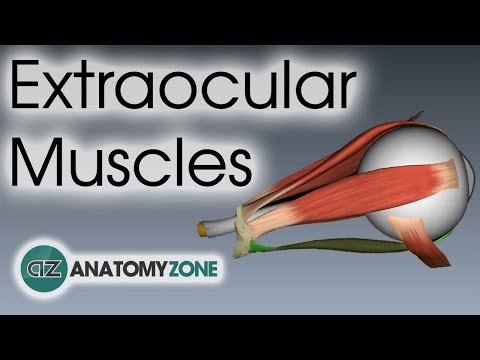
The Extraocular Muscles are the main players here. There are six of them, and they work together to move your eyeballs in different directions. Think of them as little superheroes that help you look up, down, left, and right without even thinking about it! Let’s break it down:
- Superior Rectus: This one pulls your eye upwards. If you’re staring at something high up—like a bird flying or a tall building—this muscle is doing its job.
- Inferior Rectus: The opposite of the superior rectus! This muscle helps pull your eye downward. Ever tried to read something on the floor or watch a movie while lying down? Yup, this muscle is at work.
- Lateral Rectus: It moves your eye outward, away from your nose. When you glance to the side to check who’s calling your name? That muscle’s got you covered!
- Medial Rectus: This one pulls your eye inward toward your nose. It’s great for focusing on things close up, like reading a book or looking at your phone.
- Superior Oblique: Here’s where it gets kind of cool! This muscle helps rotate your eye downward and outward while also allowing for some tilting movement.
- Inferior Oblique: This one does the opposite of the superior oblique—it rotates the eye upward and outward with some tilting involved too!
So all six muscles work together in harmony. Imagine conducting an orchestra; if one musician plays out of tune or misses their cue, things can get messy fast.
Now let’s chat about Eyelid Muscles, because they’re just as important when it comes to eye functionality! Your eyelids have their own set of muscles that help protect and manage moisture for those precious peepers.
- Orbicularis Oculi: This muscle circles around your eyelids and closes them tight when you blink or squint. It helps keep out dust and bright light—super helpful when someone flashes a camera in your face!
- Levator Palpebrae Superioris:This buddy works on opening your upper eyelid when you want to see clearly again after blinking or closing them for long periods.
Think about that moment when you wake up in the morning—you know how sometimes it’s hard to pry those eyelids open? That’s mostly this levator muscle getting into gear after you’ve been snoozing!
In summary, all these muscles play vital roles in helping us interact with our surroundings. They coordinate complex movements so seamlessly that we hardly notice—until something goes wrong! Eye issues can really hinder function and quality of life.
So next time you’re looking around or even winking at a friend (you know?), remember there are some busy little muscles working behind the scenes to make that happen smoothly! Pretty neat stuff happening right under our noses!
Understanding Upper Eyelid Muscles: Their Crucial Role in Eye Functionality and Visual Health
Sure thing! Let’s chat about those upper eyelid muscles – they might seem small, but they play a huge role in how your eyes work.
First off, the main muscle in your upper eyelid is called the levator palpebrae superioris. This muscle helps lift your eyelid, allowing you to see clearly. Imagine trying to watch your favorite movie with someone blocking your view – super annoying, right? That’s what happens when this muscle isn’t doing its job.
Now, here’s where it gets interesting: the levator muscle works closely with another little buddy called the superior tarsal muscle. This one hangs out on top of the levator and gives it a bit of extra support. It’s like having a backup singer when you’re performing on stage. Together, they help ensure that your eyelid stays open wide enough for you to see well.
But there’s more! These muscles are crucial for several everyday functions. For instance:
- Blinking: Every time you blink, those muscles contract and relax. This keeps your eyes moist and protected from dirt or debris.
- Visual Focus: A well-functioning lid helps you focus better on objects around you. If the lid droops due to weak muscles, it can affect how well you see.
- Eye Protection: When something approaches our eyes too quickly—like a bug—those muscles kick in to slam shut our lids fast. It’s like an automatic defense system!
I still remember when I got my first pair of glasses. I never realized how much my eyelids were involved in helping me focus until I had those tiny lenses on my nose! Suddenly, every little movement felt different; it was all thanks to my eyelid muscles working overtime.
Another cool fact? The health of these muscles can give clues about other conditions too. For example, if your eyelids droop (a condition called ptosis), it might not just be an aging thing; sometimes it signals issues with nerves or even certain diseases. So paying attention to how they function can be pretty revealing!
In summary, while we often overlook our eyelids’ muscles, they really do play a vital role in eye functionality and visual health. Their ability to lift our lids not only helps us see but also protects our precious peepers from harm and keeps our vision sharp.
So next time you’re blinking away or catching sight of that gorgeous sunset, give a little nod of thanks to those hardworking upper eyelid muscles! They’ve got your back (or rather…your eyes).
You know, eyelid muscles might not be the first thing that pops into your head when you think about the body, right? I mean, we often take our eyes for granted—like they’re just these windows to the world. But those little things that help open and close your eyelids? They’re actually pretty cool and vital for our eye health.
So, let’s talk about the eyelid muscles. There are a couple of main ones: the levator palpebrae superioris (yeah, that’s a mouthful!) which helps you lift your upper eyelid, and the orbicularis oculi that allows you to close your eyes. Can you imagine what life would be like without them? Like trying to keep your eyes wide open while doing a cannonball into a swimming pool! Not great, right?
Think about this: when you’re tired or just sitting back to relax while watching TV, what do you often do? You blink or even let your eyes droop a bit. That blinking action is huge. It keeps your eyes moist and protected from dust and debris. It’s like giving them a little hug with every closure.
And honestly, there’s something quite fascinating about the way these muscles work. Have you ever noticed how they respond to emotions? Like when you’re surprised or shocked—your eyelids fly open as if saying “Whoa!” Conversely, when you’re sleepy or bored, they tend to droop down like they’re in on some inside joke with your brain about taking a little nap.
I remember once during an intense game of charades at a friend’s party; I got so wrapped up in miming that my eyes were practically glued shut from laughing so hard! My eyelid muscles were working overtime since I couldn’t control all those spontaneous blinks!
The thing is, there’s more than meets the eye (pun totally intended). Issues with eyelid muscles can lead to conditions like ptosis (where one or both eyelids droop) or blepharospasm (involuntary blinking). These can really impact everyday life—from reading to driving—and it just goes to show how integral these tiny muscles are for our vision.
So yeah, next time you blink or rub your tired eyes after staring at screens for hours (guilty!), give a quick nod of appreciation to those unassuming but crucial muscle fibers! They really do more than what we might initially think. Every blink is basically like saying thanks for keeping my vision clear!