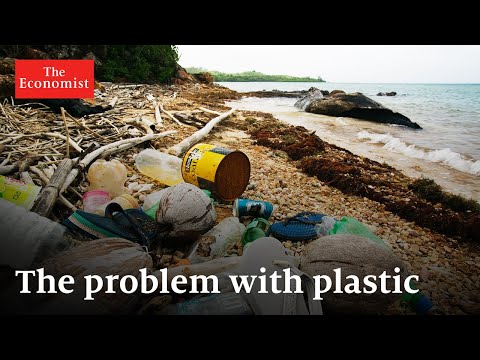
You know that feeling when you find a random plastic bag stuck in a tree? It’s kind of funny and sad at the same time, right? Like, come on, nature! We definitely need to talk about our old friend polythene.
So here’s the thing: we use these plastic wonders for everything. Seriously, from carrying groceries to wrapping leftovers. But what happens when they become part of the landscape? Spoiler alert: it’s not pretty.
Every year, millions of tons of this stuff end up in oceans and landfills. It’s like an uninvited guest at a party that just won’t leave. You follow me?
But hey, there’s more to it than just trashy visuals. Polythene pollution messes with wildlife, ecosystems, and even our health. So let’s take a casual stroll through this complicated issue and see what we can do about it together.
Innovative Scientific Approaches to Combat Plastic Pollution: Current Strategies and Solutions
So, let’s talk about plastic pollution. It’s a huge problem, right? Like, you probably see it everywhere—on beaches, in parks, and even in the ocean. The numbers are pretty staggering. Every year, millions of tons of plastic end up in our waters and landfills. But here’s the deal: scientists are stepping up with some innovative approaches to tackle this mess. Let’s break down what’s happening.
Biodegradable Plastics
One cool solution is using **biodegradable plastics**. These are made from natural materials—think corn starch or sugarcane—that can break down more easily than traditional plastic. They still act like regular plastics but don’t stick around for hundreds of years after you toss them out. Imagine picking up a wrapper that actually decomposes when you throw it away!
Plastic-Eating Enzymes
Then there are **plastic-eating enzymes**. Scientists have discovered certain bacteria and enzymes that can munch on plastic! For real! They basically break down the polyethylene (that’s what most single-use bags are made of) into harmless components. A study showed that this little enzyme could reduce plastic waste significantly in just a few weeks—it’s like nature’s cleanup crew!
Recycling Innovations
Now, let’s not forget about recycling. The current methods can be a bit old school sometimes—lots of sorting and cleaning involved before recycling happens. But new approaches use **chemical recycling**, which breaks down plastics into their original building blocks. This means they can potentially be reused an infinite number of times without losing quality! Isn’t that something?
Tackling Microplastics
Microplastics are another sneaky issue—they’re tiny particles that come from broken down larger plastics. Scientists are exploring ways to filter these out from water sources using advanced filtration systems or even bio-inspired designs mimicking how certain animals separate food from water! Just picture an ingenious filter inspired by mussels doing their thing.
Community Initiatives
Lastly, don’t underestimate the power of communities coming together to tackle plastic pollution! Lots of cities worldwide have started initiatives to reduce single-use plastics, promote clean-up events, and raise awareness about the issue within local communities.
In one small coastal town I visited, locals began organizing beach clean-ups every month. Over time, not only did they collect tons of trash but also built a strong community around fighting against pollution! It made me realize how much our collective effort can make a difference.
So yeah, while addressing plastic pollution feels overwhelming sometimes, all these innovative scientific approaches show there is hope on the horizon. From biodegradable options to funky enzymes and community action—there’s a lot happening out there that could lead us toward cleaner oceans and healthier habitats for everyone!
Scientific Strategies for Mitigating Plastic Pollution: Innovative Solutions and Research Insights
Alright, let’s talk about this big issue with plastic pollution. You know how when you go to the beach, there’s that awful sight of plastic bottles, bags, and all sorts of junk just lying around? Yeah, it sucks. That’s why scientists are getting creative with some strategies to tackle this problem head-on.
To start, one of the coolest methods being researched is the **development of biodegradable plastics**. Now, these aren’t your typical plastic bags that take hundreds of years to break down. They’re designed to decompose more quickly in the environment, and they can even be made from natural materials like corn starch or sugarcane! Imagine if we replaced regular plastics with these alternatives? It could seriously lessen the amount of waste we see.
Another exciting area is using **microbial solutions**. Some researchers have discovered specific bacteria that can munch through plastic like it’s a buffet. Yup! These little microorganisms break down polyethylene – one of the most common plastics – into harmless byproducts. How neat is that? They could be used in composting facilities or even out in nature where pollution has occurred.
On top of that, there are efforts to advocate for **recycling innovations**. You probably know how recycling works—sort it out and send it off to be remade into something new, right? Well, technology can make this easier! There are new kinds of machines being developed that can sort and process plastics more efficiently than ever before. And some companies are working on turning waste back into raw materials for production again and again. It’s like recycling on steroids!
We also can’t ignore the importance of **education and awareness** campaigns aimed at consumers. You see, changing our behavior makes a huge difference! When people realize how their choices impact the environment—like opting for reusable bags instead of single-use ones—they’re more likely to change habits. Simple things like using metal straws or carrying a reusable water bottle can lead to much less plastic ending up in landfills or oceans.
And let’s not forget about policy changes! Governments around the globe are starting to enforce regulations that limit single-use plastics or promote alternatives. This means setting strict rules on what can be sold or used in everyday life—a powerful way to push communities toward greener choices.
Lastly, community initiatives have proven really effective too! Grassroots movements often organize local clean-up days at parks or beaches—bringing folks together for a common cause while raising awareness about plastic pollution.
So when you piece all this together—biodegradable materials, microbial helpers, innovative recycling tech, education efforts, cool policies, and community action—you get a comprehensive view on how we might just manage this plastic mess we’re living with today.
It might feel overwhelming at times—the sheer scale is daunting—but remember: every small step adds up in making sure our planet thrives instead of drowning in plastic waste!
Exploring Major Challenges in Tackling Plastic Pollution: A Scientific Perspective
Plastic pollution is one of those big issues that, honestly, feels overwhelming sometimes. You know, you walk around and see plastic bags blowing in the wind or floating in a river, and it just hits you. It’s a massive problem that impacts wildlife, ecosystems, and even our own health. Let’s break down some of the major challenges we face in tackling this global crisis.
First off, there’s the sheer volume of plastic waste. Every year, millions of tons of plastic are produced. And it’s not just single-use straws; we’re talking about everything from packaging to bottles. When you think about it, most of this stuff doesn’t break down easily—it can take hundreds of years! So where does it all go? A lot ends up in landfills or worse—our oceans.
- The recycling issue: You might think recycling is the answer. But here’s the catch: only a small fraction of plastic actually gets recycled effectively. Different types of plastics often can’t be recycled together, which makes sorting them an absolute nightmare!
- Lack of infrastructure: Many countries don’t have the facilities to handle plastic waste properly. This means more trash ends up where it shouldn’t be—like streets or rivers.
- Cultural habits: We’ve all been there—you grab a coffee in a to-go cup with a plastic lid without thinking twice about it. Changing these everyday habits is tough! Educating people on the impact is crucial for change.
If we look at some examples from around the world, places like Kenya have imposed strict bans on single-use plastics. It seems like a great idea at first glance! But enforcing these laws can be tricky. People often resist change when they’re used to convenience.
And let’s not forget about wildlife impact. Sea turtles mistake plastic bags for jellyfish; birds ingest tiny bits of plastic mistaking them for food! It creates this domino effect that disrupts entire ecosystems. Seriously sad stuff.
Chemical pollution from plastics also poses another layer to this mess. When plastics break down into smaller pieces called microplastics—they release harmful chemicals into soil and water sources as well as enter our food chain! Imagine fish swimming around with tiny bits of plastic inside them—the thought alone is pretty disturbing.
The thing is—we need innovation alongside awareness to tackle this problem effectively. Scientists are working on biodegradable alternatives and even using enzymes that can break down plastics faster than nature usually would. Exciting? Yes! But bringing these solutions to market takes time and effort.
So yeah, while tackling plastic pollution feels daunting, every little bit helps—literally! If everyone made small changes in their daily lives and pushed for better policies together… well, we could kick this issue back where it belongs: outta sight!
You gotta love progress though—people are becoming more aware than ever before. One step at a time can lead us toward cleaner beaches and healthier oceans!
Polythene pollution is, like, one of those issues that really gets under your skin if you stop to think about it. I mean, just think about the last time you unwrapped something from the grocery store—chances are there was a plastic bag involved. It’s everywhere! I remember a day at the beach a couple of summers ago. I was building a sandcastle, and as I dug into the sand, my shovel hit something hard. It turned out to be a piece of plastic waste buried underneath. That kind of takes the fun out of things, doesn’t it?
So, what’s the deal with polythene? Well, polythene, or polyethylene if you’re feeling fancy, is this super common type of plastic used in bags and packaging. It’s lightweight and cheap to make, which sounds great on paper but causes some serious headaches when it comes to waste management. When these bags break down—which takes hundreds of years!—they turn into tiny microplastics that are now in our oceans and even in our food chain.
It’s like we’re living in this cycle where convenience has led us to create a mountain of trash that just won’t go away. Cities everywhere are trying to tackle this mess by banning single-use plastics or encouraging recycling—good moves for sure—but it feels like we’re just scratching the surface.
You know what I think? It all comes down to us as individuals being more mindful about our choices. Swapping out plastic bags for reusable ones isn’t that hard! And even small steps like carrying your own cup for coffee can make a difference over time. But honestly? The real change needs to come from bigger systems too—governments and corporations need to step up their game.
If we don’t tackle this together, we might end up living in our own trash someday! So here’s hoping that as more people get aware (like my beach experience), we can start moving forward instead of back into an ocean full of polythene chaos. It might seem daunting now, but every little action counts!