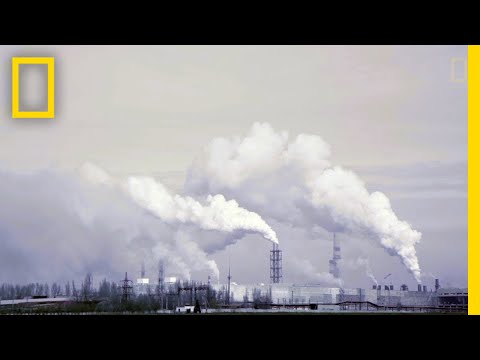
You know that old saying, “it’s getting hot in here”? Well, it’s not just a catchy song anymore. Seriously, have you stepped outside lately? Sometimes it feels like nature’s turned up the thermostat way too high.
So, what gives? The thing is, our planet is facing some serious heat. Climate change is like that annoying friend who overstays their welcome. And let me tell you, they’re making things pretty uncomfortable for all of us.
There are a bunch of culprits behind this mess. We’re talking everything from cars and factories to good old deforestation. Each little piece of the puzzle adds up to a big problem.
But hey, it’s not all doom and gloom! Understanding these key contributors can help us figure out how to tackle them head-on. So grab a drink and let’s chat about what’s heating things up on our blue planet!
Exploring 7 Key Factors Influencing Global Climate: An In-Depth Scientific Analysis
Alright, let’s jump right into the big, complicated world of climate change. It’s a pretty pressing issue that’s affecting all of us, and understanding what drives it can help us figure out what we can do about it. There are a ton of factors at play here, but let’s break down seven key ones that really stick out.
- Greenhouse Gases: You’ve probably heard about carbon dioxide (CO2) and methane (CH4). These gases trap heat in the atmosphere, which is kind of like wrapping our planet in a warm blanket. The more we produce through things like burning fossil fuels for energy or driving cars, the more heat gets trapped.
- Deforestation: Trees are like nature’s air filters. They soak up CO2 and release oxygen. But when forests are cut down for agriculture or urban development, not only do we lose that filtration system, but the carbon stored in those trees is released back into the atmosphere.
- Agriculture: Speaking of farms, they contribute significantly to global warming. Livestock produce methane during digestion—think about cows and sheep. Plus, fertilizers release nitrous oxide, another potent greenhouse gas.
- Industrial Processes: Factories pump out a variety of emissions that contribute to climate change. From cement production to chemical manufacturing, these processes can spew out greenhouse gases and pollutants that mess with our atmosphere.
- Energy Production: The way we generate energy matters a lot! Coal-fired power plants are notorious for their heavy CO2 emissions. Even natural gas—considered cleaner than coal—still contributes to greenhouse gases when burned.
- Aerosols: Not all particles floating around in the air are bad! Some aerosols cool the earth by reflecting sunlight away from us. But when they come from burning fossil fuels or biomass, they can also have warming effects and contribute to poor air quality.
- Land Use Changes: How we use land affects climate too. Urbanization replaces natural landscapes with concrete jungles that absorb heat differently than forests or grasslands. This alters local climates and can contribute to global warming patterns over time.
So there you go! These seven factors give you a glimpse into this complex puzzle known as climate change. They impact each other in intricate ways—it’s not just one thing causing it all but rather an orchestra playing together in a messy harmony.
Speaking of harmonies, I remember having this chat with my friend once while hiking through a gorgeous forest—it was breathtaking! We were just enjoying nature when he brought up how important these trees were for keeping our air clean. It hit me then: every little bit counts in this fight against climate change.
Understanding these influences helps highlight what we might need to change too. Whether it’s opting for renewable energy sources or supporting sustainable farming practices, every action has its part to play on this big stage called Earth—so let’s not take it lightly!
Key Drivers of Human-Caused Global Warming: Analyzing the Two Most Significant Contributors
So, global warming. It’s a pretty big deal these days, and if you’re scratching your head about what really drives it, you’re not alone. Let’s break it down a bit and shine a light on the two biggest culprits behind human-caused global warming.
1. Greenhouse Gas Emissions
Think of greenhouse gases as a cozy blanket for our planet. They trap heat in the atmosphere, which sounds good in theory but is actually causing temperatures to rise dangerously. The main players here are carbon dioxide (CO2) and methane (CH4).
– **Carbon Dioxide**: This dude comes primarily from burning fossil fuels—things like coal, oil, and natural gas. You know when you drive your car? That’s CO2 being released into the air! Even electricity production contributes heavily because many power plants run on these fuels.
– **Methane**: It’s actually way more effective at trapping heat than CO2, even if it hangs around for a shorter time. Methane mainly bubbles up from livestock digestion (yeah, those cows!), landfills, and fracking for natural gas.
The numbers are staggering! Since the Industrial Revolution, levels of CO2 have shot up by over 40%. It’s like putting extra layers on your bed when you already feel warm—eventually, it just gets too hot!
2. Deforestation
Now let’s talk about trees—those lovely green giants that soak up CO2 while providing oxygen for us to breathe. When we chop them down for agriculture or logging, not only do we lose this awesome ability of trees to act as sponges for carbon emissions; we also release all that stored carbon back into the atmosphere.
– **Agricultural Expansion**: A huge number of forests have been cleared to make room for crops or grazing land. Each time we do this, we’re basically ripping off part of Earth’s climate control system.
– **Urban Development**: As cities grow, they often replace green spaces with concrete jungles. Imagine Paris or New York without their parks! Those areas play crucial roles in absorbing pollution and maintaining local climates.
Deforestation is responsible for about 10% to 15% of global greenhouse gas emissions annually! That’s like taking major steps backward in our fight against climate change.
So here’s the lowdown: greenhouse gases from burning fuels and deforestation are two key drivers behind human-caused global warming. The implications? They’re serious! With rising temperatures leading to more extreme weather events and melting ice caps, it becomes clear we need action now—for us and future generations too! Let’s keep chatting about how we can tackle this together; every little bit helps!
Exploring the 5 Primary Causes of the Greenhouse Effect: Insights from Climate Science
Alright, let’s jump right into this! The greenhouse effect is a big deal when we’re talking about climate change and global warming. It’s that cozy blanket of gases around our planet that keeps it warm enough for us to live. But too much of this blanket, and things get hot—like, way too hot! So, what are the main culprits making this happen? Here’s a rundown of the top five players in the game.
1. Carbon Dioxide (CO2)
You might’ve heard a lot about carbon dioxide. It’s the heavyweight champion of greenhouse gases! CO2 comes mainly from burning fossil fuels like coal, oil, and natural gas. When we drive cars or power homes using these fuels, we release tons of CO2 into the atmosphere. Think about all those road trips you took; every mile you drove added to that CO2 pile up.
2. Methane (CH4)
Next up is methane, which is super powerful at warming the planet—like 25 times more effective than CO2 over a 100-year period! Crazy, right? Methane mainly comes from agriculture—especially livestock like cows (those burps and farts add up!), as well as landfills and natural gas production. Picture a farm with cows mooing away while they release methane; it’s something we really need to keep an eye on.
3. Nitrous Oxide (N2O)
Then there’s nitrous oxide, typically associated with fertilizers used in farming. It can hang out in the atmosphere for a while and does its part in trapping heat too. Every time farmers go big on fertilizer for their crops to grow faster or larger, nitrous oxide pops up as an unwanted guest at the climate party.
4. Fluorinated Gases
These are like the under-the-radar players but still pack a punch! Fluorinated gases are synthetic and often used in air conditioning systems, refrigeration, and even some foams. They don’t occur naturally but can linger around for ages making them quite potent when it comes to warming potential—even if they’re found in smaller amounts compared to CO2 or methane.
5. Land Use Changes
Lastly, let’s not forget about how we use land! Deforestation is a huge factor here since trees absorb CO2. When they’re chopped down for agriculture or urban development, all that stored carbon gets released back into the atmosphere. Imagine chopping down an entire forest just so you could build houses—it disrupts local ecosystems while pumping more greenhouse gases into the air!
So yeah, each of these factors plays its unique role in escalating climate change issues—the kind that can affect weather patterns, sea levels rising and even threaten various species on our planet. It reminds me of that time I saw massive wildfires raging due to droughts caused by changing climates—it was pretty heartbreaking!
Addressing these causes needs collective effort; understanding them helps us figure out ways to combat their impact on our planet’s future better together!
You know, climate change is something that really gets people talking. It’s a bit overwhelming, honestly. Like, when you think about all the things that contribute to global warming, it’s a mixed bag of emotions—frustration, sadness, even a little hope sometimes.
So, let’s break it down a bit. One of the biggest culprits? That would be greenhouse gases. These gases—like carbon dioxide and methane—trap heat in the atmosphere. Imagine putting a big heavy blanket on your bed in summer. Not super comfy, right? Well, that’s what’s happening to our planet! A lot of these emissions come from burning fossil fuels for electricity and transportation. Seriously, every time you crank up your car or flip on that light switch, think about how that adds to this problem.
Then there’s deforestation, which is basically like taking away nature’s way of cleaning up our air. Trees are those amazing air-filtering machines we often take for granted! They soak up carbon dioxide and give us oxygen. But when we chop them down for agriculture or urban development? Yikes! It’s like pulling the plug on Mother Nature’s cleanup crew.
And let’s not forget the food system! The livestock sector is surprisingly heavy on emissions too. Think of all the resources used to raise cows and pigs—the water, land, feed—and then you’ve got methane from their digestion processes (yeah, gross but true).
I remember reading about this family who decided to go plant-based for a month just to see how it felt environmentally and personally. They said they learned so much about where their food comes from and how impactful their choices can be—not just on themselves but on the planet too! It made me think: every small action counts.
But yeah, with all these issues piling up—it can feel like we’re fighting an uphill battle sometimes. However! There are also some folks working tirelessly toward solutions: renewable energy sources are popping up everywhere; wind farms and solar panels are becoming more common sights; people are planting trees again; even small community gardens can make a difference!
So here we are at this point where we can’t ignore climate change any longer. You see those extreme weather events? That’s no coincidence—they’re part of this bigger picture we’re all involved in together. I guess at the end of the day it’s about making informed choices and encouraging each other along the way because every little bit helps—whether it’s walking instead of driving or just spreading awareness.
It’s complicated but totally worth discussing because it affects us all—today and tomorrow!