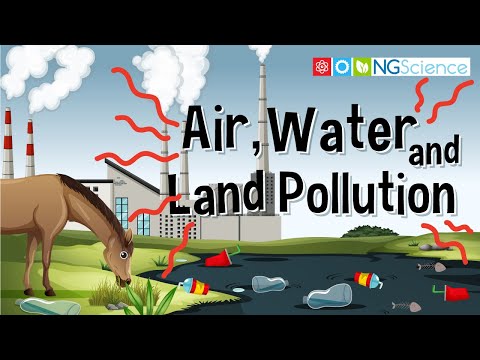
You know, I once saw a video of a fish swimming in what looked like a plastic bag. It was floating around like it thought it was some kind of seaweed or something. Kinda hilarious but also really sad.
Water pollution is like that bag—a silent troublemaker lurking in our rivers, lakes, and oceans. And honestly? It’s not just about the fish. It’s about us too!
When you think about all the stuff we dump into water—chemicals, plastics, garbage—it kinda makes you go, “Whoa!” We might not be tossing our trash directly into the ocean, but every little bit adds up.
So why should we care? Well, clean water is kinda essential for life as we know it! Let’s chat about some of these sneaky contributors to water pollution and figure out what we can do to help keep our waters clean and happy!
Understanding Drought: Scientific Insights into Causes, Impacts, and Mitigation Strategies
Drought is one of those terms you hear thrown around a lot, but what does it actually mean? Well, drought is basically when a region experiences a prolonged period of below-average precipitation. This doesn’t just mean less rain but also less snowpack and more evaporation due to higher temperatures. It’s like nature’s way of hitting the brakes on water supply, and it can have some serious implications.
But what causes drought? There are several factors at play! Climate change is a biggie. As temperatures rise, evaporation increases, which can lead to drier conditions. Also, certain weather patterns, like El Niño and La Niña, can affect rainfall distribution across the globe. And let’s not forget human activities—things like deforestation and urbanization can mess with local climates too. Seriously though, when you cut down trees or pave over land, you’re impacting how water cycles through an area.
So what’s the big deal with drought? Well, its impacts go beyond just feeling thirsty! Food security takes a hit because crops need water to grow. Less water means less food. That could drive prices up and lead to food shortages—yikes! Drought also affects drinking water supplies and can stress local ecosystems. Think about fish struggling in shrinking streams or animals having a tough time finding water sources.
And then there’s the whole issue with water pollution. When there’s less water available, pollutants can become more concentrated in rivers and lakes. This means that the water that remains might not just be scarce but also dirtier. You’re basically doubling down on the problems here.
Now let’s chat about mitigation strategies because there’s always something we can do! Here are some ideas:
And honestly? It takes collaboration among governments, communities, and individuals to tackle these issues effectively. Whether it’s investing in better technologies for irrigation or changing policies around land use—you get the idea.
It’s crazy how interconnected everything is when you start looking closely at droughts and their effects on our environment! So next time you hear someone mention droughtesque conditions or simple weather patterns changing things up, you’ll know there’s a lot more beneath the surface than just dry soil. Isn’t it wild how much we depend on something as basic as water?
Understanding Key Contributors to Water Pollution: Insights from Environmental Science
Water pollution is, like, a super serious problem. If you’ve ever seen trash floating in a river or noticed a funky smell by the beach, you know what I’m talking about. But what’s really going on under the surface? Let’s break it down.
1. Agricultural Runoff: One of the biggest culprits is farming. When it rains, fertilizers and pesticides used on crops wash into nearby rivers and streams. You end up with big ol’ problems like algal blooms, which happen when nutrients from these chemicals fuel excessive growth of algae. This makes water hard to drink and can be toxic for fish and other wildlife.
2. Industrial Discharges: Factories sometimes release harmful substances directly into water bodies. This can include heavy metals like mercury and lead or toxic chemicals that can cause serious health issues in humans and animals alike. There are strict regulations about this, but not everyone follows them.
3. Sewage and Wastewater Treatment: Believe it or not, sewage is another major player in water pollution. Sometimes, treatment plants get overwhelmed, especially during storms when too much rainwater floods their systems. When this happens, untreated sewage can make its way into lakes and rivers—yikes! Even small amounts can seriously harm aquatic life.
4. Plastic Pollution: Anyone who’s been to the beach knows how much plastic ends up in our waters—think bags, bottles, straws… you name it! Plastic doesn’t decompose easily; it breaks down into tiny pieces called microplastics that get ingested by fish and other animals. Then those little critters end up back on our plates!
5. Oil Spills: These are infamous for ruining marine ecosystems quickly and drastically. Whether from tankers or offshore drilling accidents, oil spills coat everything they touch in a thick layer of sludge that suffocates sea life.
So here’s the deal: These contributors to water pollution aren’t just environmental issues; they’re human problems too! Like, if you enjoy swimming or fishing—or even just getting clean drinking water—you’ve got a stake in this game.
In my hometown, I remember seeing the local river turn green because of runoff from nearby farms—a stark reminder of how interconnected we all are with our environment. It wasn’t pretty! We all have a role to play—whether it’s reducing plastic use or supporting cleaner farming practices—to help protect our precious waterways.
In summary (yeah, I said “in summary,” but bear with me), understanding these key contributors helps us figure out ways to tackle them effectively—and that’s crucial for preserving our planet for future generations!
Impacts of Water Pollution on Ecosystems and Human Health: A Scientific Overview
Water pollution? It’s one of those topics that hits home, literally. The stuff we dump into our rivers and oceans doesn’t just vanish—it sticks around and affects everything from the tiniest bugs to us humans. So, let’s break it down.
First off, when we talk about **key contributors to water pollution**, we’re looking at a mix of natural and human-made culprits. You know, it’s not just big factories dumping waste; everyday activities lead to problems too.
- Agricultural runoff: When farmers use fertilizers and pesticides, they can wash into streams when it rains. This can lead to nutrient overload in water bodies, causing algae blooms that choke off oxygen for fish.
- Industrial waste: Factories often discharge chemicals directly into waterways. Sadly, this can include heavy metals like lead or mercury, which hang around in the environment and accumulate in the food chain.
- Plastic pollution: From bags to bottles, plastic is everywhere! It breaks down into tiny pieces called microplastics that fish swallow. And guess what? We might end up eating those fish—yikes!
- Sewage discharge: When sewage systems get overwhelmed or malfunction, untreated waste can flow into rivers or oceans. This introduces pathogens that are bad news for both aquatic life and humans who swim or fish in those waters.
So why does this matter for ecosystems? Well, here’s where it gets real sad. Aquatic habitats depend on clean water to sustain life. Fish need oxygen-rich environments; plants need sunlight and clean water to thrive. When pollutants sneak in? It disrupts their homes.
For instance, remember that time you went swimming at the lake only to find a sign saying “No Swimming—Possible Contaminants”? That’s because bacteria from polluted waters can cause illnesses like gastroenteritis if people get sick from swallowing contaminated water or eating infected seafood.
And let’s chat about human health because this part isn’t pretty either. Contaminated water can lead to serious health issues:
- Disease outbreaks: Drinking or coming into contact with polluted water can spread diseases like cholera or dysentery.
- Long-term health effects: You might think it’s okay to drink tap water sometimes if it’s filtered well enough, but long-term exposure to toxins (like heavy metals) can mess with your brain development or cause cancers.
- Mental health impacts: Remember how you feel when you see nature thriving versus dead zones? Pollution stresses ecosystems out and similarly affects mental well-being for us humans who love nature.
The thing is, when we don’t take care of our water sources, it spirals out of control fast! Ecosystems break down; species go extinct; even our fresh drinking sources become less safe.
But hey! There are ways we can tackle this issue together! Educating ourselves on sustainable practices helps cut down the muck going into our waters.
So next time you’re near a river or beach, remember it’s not just about having fun—it’s about protecting a world teeming with life beneath the surface…your actions could really make a difference!
You know, when you think about water pollution, it’s pretty overwhelming. Just imagine a sunny day by the lake, the kind where you can’t resist diving in. But what if you found out that the water was contaminated? Kinda ruins the vibe, huh? Water is essential for life, not just for us humans but for all living creatures and ecosystems. The thing is, our actions often lead to this pollution, and it’s more common than you might realize.
So let’s break down some of the culprits here, shall we? First off, agriculture plays a major role. Farmers use fertilizers and pesticides to help their crops grow. But when it rains or when they’re overused, these chemicals wash into rivers and lakes. Picture a bright green field that looks fantastic from afar—but underneath that glossy surface lies a lot of harmful stuff making its way into our water systems.
Then there’s industrial waste. Factories have big jobs to do—making the products we rely on every day—but their operations can generate a bunch of nasty byproducts. Some of these end up in our water bodies because not all industries follow strict disposal guidelines. I once read about a river near an industrial area that turned almost fluorescent in color due to chemical runoff. Makes you think twice about where your favorite beverage originates from.
And hey, let’s not forget about plastic! It’s everywhere; I mean just look around your house or even your backpack! Single-use plastics are usually tossed aside without much thought and too often find their way into drains or waterways. When they break down into tiny microplastics—those little bits that are just too small to see—it becomes a massive problem for marine life. Fish often mistake them for food; seriously sad story there.
Also, urban runoff is another sneaky contributor. As cities grow and develop with concrete jungles, rainwater carries oil, trash, and other pollutants directly into storm drains that lead straight to rivers or oceans without any treatment at all! It’s like tossing trash directly on your favorite beach while claiming you’re doing nothing wrong!
But here’s the kicker: change starts with us—and isn’t that kind of empowering? We can make more conscious choices like reducing plastic use or supporting local farms that practice sustainable agriculture. When we fight against complacency as consumers—for example—advocating for better regulations for industries we push towards cleaner water sources.
So yeah, water pollution isn’t just some faraway issue; it’s happening all around us because of things we do every day—sometimes unknowingly! Recognizing our role makes it personal and gives us motivation to act! Let’s aim for cleaner waters together because everyone deserves to enjoy those sunny days by the lake without worry.