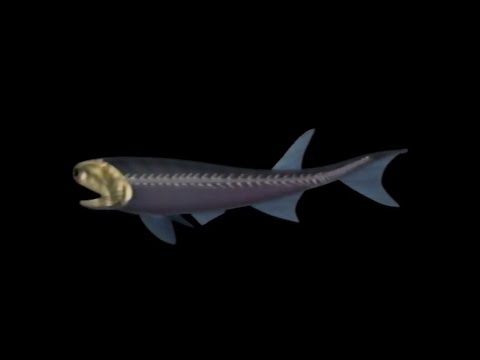
You know what’s wild? The first vertebrates were basically swimming around like little alien fish, millions of years before dinosaurs existed. Just imagine that—no T-rexes or fluffy birds yet, just these weird, wiggly creatures flapping their fins in the primordial ooze.
So here’s the thing: those little guys were a big deal. They laid down the blueprints for all the backboned animals that followed. That’s like if your great-great-great-grandparents invented everything cool about being human!
Ever thought about how we ended up being here? It all started way back when in underwater worlds filled with bizarre creatures. I’ll tell you more about this journey and how these early vertebrates shaped life as we know it today. Buckle up!
Early Vertebrate Development: Insights into Evolutionary Biology
Early vertebrate development is a fascinating topic that dives deep into how these incredible creatures came to be. It all starts in the womb, or more specifically, in an embryo. Think of it like watching a movie where the main character goes through different stages in their life before they become who they are destined to be.
When we talk about vertebrates, we’re mainly referring to animals with backbones—like fish, birds, and humans. The very first vertebrates appeared around 500 million years ago during a time called the Cambrian period. They were simple but essential milestones in evolutionary history, paving the way for all sorts of complex life.
During early development, something cool happens: this tiny embryo undergoes a process called gastrulation. Now, gastrulation is crucial because it’s when cells start to move and form layers that will eventually create different organs and systems in the body. Imagine rearranging building blocks until you have something awesome!
As development continues, these little guys start showing off their features. You see distinct characteristics like a notochord—a flexible rod that provides support—and early versions of what will become the spine. It’s like watching someone build their skeleton step by step!
Another interesting phase is neurulation, where the nervous system begins to form. This is when neural tubes appear and eventually develop into the brain and spinal cord. A strong nervous system is key for any animal! So you might say this stage sets the groundwork for much more complex behaviors down the line.
Evolutionary biology steps into play here too! As vertebrates develop differently based on environmental factors and genetic changes over millions of years, scientists can learn so much about why we are who we are today. For instance, if we look at fish embryos compared to human embryos at similar stages, you’d notice some striking similarities—showing just how interconnected everything is!
In essence, those early developmental processes give us valuable insights into evolutionary transitions—not just from one species to another but from simpler forms of life into more complex creatures like us humans. Isn’t it wild to think that those tiny embryos carry within them echoes of evolutionary history? Essentially, they’re like living time capsules!
To wrap things up a bit here:
- The first vertebrate appeared about 500 million years ago.
- The process starts with gastrulation—where embryonic layers form.
- A notochord rises early on; it’s our precursor to the spine.
- Neurulation occurs later; hello brain and spinal cord!
- This development lets scientists explore links between species.
It all ties together beautifully! So next time you think about evolution or vertebrates in general, remember these remarkable beginnings that shape life as we know it today!
Exploring the Origins: The First Evidence of Vertebrates in Paleontological History
So, let’s take a trip back in time—way back to when the first vertebrates were just starting to wiggle their way into existence. You might be wondering, like, what’s the deal with these creatures? Well, vertebrates are basically animals with backbones. Yeah, that’s right! We’re talking fish, amphibians, reptiles, birds, and mammals!
The earliest evidence of vertebrates dates back to about 500 million years ago, in a period known as the Cambrian period. Imagine an ocean filled with weird and wonderful life forms but no jellyfish or seahorses yet. The first vertebrates were actually pretty simple—they were jawless fish called ostracoderms. Picture it: slimy little guys swimming around without a care in the world!
These early vertebrates had protective armor rather than scales or skin like today’s fish. They’re kind of like nature’s little experiment before things got more complicated. Fossils found in places like Canada and Scotland give us clues about these creatures’ structure and lifestyle.
Now, let me tell you something cool about these ostracoderms. They are not just ancient relics; they were innovative for their time! They had a rudimentary nervous system which was crucial for sensing their environment. Good thing too! Otherwise, they might have become perfect lunch for predators lurking around.
Then comes the explosion of diversity during the Ordovician period, where we start seeing a variety of jawless fish evolve into more complex forms. With fossils from this time—a treasure chest of ancient history—we can trace how vertebrates became more sophisticated over millions of years.
Fast forward to nearly 400 million years ago during the Devonian period—the “Age of Fishes.” Here, we see **gnathostomes**, or jawed vertebrates! Imagine fish that could actually eat other animals instead of just floating around munching on tiny bits. Some examples include early sharks—yes, those toothy wonders have roots going way back!
You know what’s really wild? These evolutionary shifts weren’t random. Changes in water temperatures and ocean chemistry played a huge role in shaping what came next on this evolutionary path.
As we kept moving along through geological time—think Mesozoic and beyond—vertebrates began to conquer land as well as sea. Fish started developing limbs that would eventually lead to amphibians creeping onto land for the first time! It’s like watching a thrilling movie where characters evolve right before your eyes.
And here’s where it gets even crazier: all those different types of vertebrate life today—like birds chirping outside your window or whales gliding majestically through oceans—trace back to those tiny jawless fishes swimming around billions of years ago.
So yeah, exploring the origins of vertebrates is like piecing together one epic saga from our planet’s past. Each discovery unearths new chapters filled with twists and turns leading us closer to understanding how everything connects—from those early armored little fishy friends all the way up to you sitting here reading this today! Isn’t evolution a ride worth taking?
Exploring Reptiles: Insights into Their Biology, Behavior, and Ecological Importance in Science
Reptiles are such an intriguing group of animals, kind of like living time machines. They’re part of a bigger family tree that goes way back in evolutionary history, making them some of the first vertebrates on our planet. So, what’s the deal with reptiles, and why are they so important to us and nature? Let’s break it down!
To start with, reptiles include snakes, lizards, turtles, and even crocodiles. They’re pretty diverse! Each one has unique features that help them thrive in different habitats. Think about it: some can live in deserts while others chill in watery places. This diversity is not just cool but also super important for ecosystems.
Now let’s talk about biology. Reptiles are ectothermic, which is a fancy word that means they rely on external sources to regulate their body temperature. So when it’s hot outside, they bask in the sun to warm up; when it’s chilly, they find shade or burrow underground. It sounds simple, but this way of living makes them really efficient at using energy compared to warm-blooded animals.
Then there’s their skin—oh man! Reptiles have scales made from a protein called keratin. This scales help protect them from water loss and keep them safe from predators. You ever seen a snake shed its skin? Kind of mind-blowing! It’s like getting a whole new outfit without going shopping.
When we look at behavior, reptiles can be both solitary and social creatures. Some lizards hang out together during mating season while others prefer their alone time unless they’re hunting or defending territory. I remember watching a chameleon change colors when it felt threatened—it was like nature’s mood ring!
And speaking of hunting, let’s not forget how reptiles play a vital role in their ecosystems. They help control populations of insects and small mammals—just think about how many bugs you’d have buzzing around if we didn’t have snakes around! Their diets vary widely; some eat plants while others feast on meat.
It’s essential to mention the ecological importance of reptiles too! Many species serve as indicators for environmental health. If reptile populations start declining, that’s often a sign that something’s off balance in the ecosystem—like pollution or habitat destruction.
In studying reptiles, scientists gain insight into evolution and adaptation over millions of years. For instance, some researchers look at how certain reptiles evolved resistance to toxins found in their prey—think about that next time you see a brightly colored frog or snake!
Lastly, consider that many cultures revere reptiles symbolically; think about myths that involve dragons or serpents. They’ve sparked imagination throughout human history!
So yeah, reptiles are more than just scaly creatures lurking around—they tell us stories about our planet’s past and remind us how crucial they are for keeping things running smoothly in our environments. From biology to behavior to ecology—their world is endlessly fascinating!
You know, when you think about the journey of life on Earth, it’s kind of mind-blowing. Imagine a world swimming with tiny creatures, creeping along the ocean floor, all before anything with a backbone ever existed. It’s like the ultimate behind-the-scenes tale of evolution!
Let’s roll back to around 500 million years ago. Picture this: oceans filled with jellyfish and bizarre little critters, but vertebrates? Nope, not a thing yet. But then—boom! Out pops the first vertebrates, like ancient fishes that looked kinda weird compared to what we see today. They had these bony structures that were basically the first step toward developing a spine, which is super crucial for movement and support.
I remember visiting an aquarium once and being completely captivated by these vibrant fish zipping around in their tanks. It hit me how far we’ve come since those early vertebrates swam in dark waters millennia ago. Those little fish won’t get a gold star for looks—some were pretty simple, just looking to survive—but they laid down the groundwork for everything else that followed.
So what’s really cool here is how these early vertebrates evolved over time. Some adapted to life on land, giving rise to amphibians and eventually reptiles, birds, and mammals—yeah, even us! It’s like this enormous family tree stretching out across millions of years; each branch representing various adaptations to different environments.
And you know those important milestones? They weren’t just about developing cool features or bigger brains; they also had to do with survival skills and how creatures interacted with their environments. For instance, brains started getting bigger as some species began hunting more complex prey or navigating tricky habitats.
But here’s something poignant: every time I see a fish gliding effortlessly through water—or even a bird soaring high—I think back to those original experiments in evolution. Those small changes made over vast stretches of time ultimately led to the incredible diversity we have today from tiny tadpoles transforming into mighty whales.
Life really does seem like an endless adventure filled with twists and turns. And those first vertebrates remind us that every colossal change begins with something surprisingly simple—you know? Just like our own lives too; sometimes it starts small before blooming into something extraordinary!