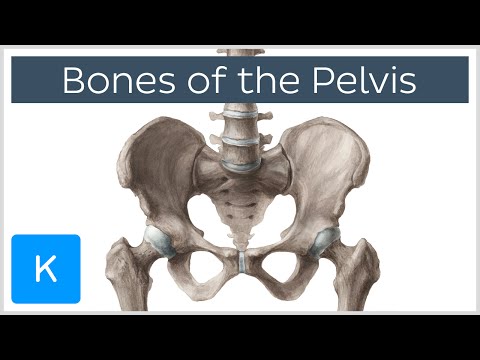
You know, I once thought the pelvis was just that bony bit you sit on, like, when you’re too lazy to get up. But oh man, it’s way more than that! Imagine this: if your pelvis could talk, it would spill all the secrets of our evolutionary journey.
Seriously though, the pelvis is a fascinating structure. It not only supports our weight but also plays a huge role in how we walk and move. Plus, it’s like a little time capsule that tells us about our ancestors’ lifestyles and adaptations over millions of years.
So, what’s going on with this bone structure? Let’s dig into its anatomy and why it’s crucial for humans and other animals alike. Trust me; it’s going to be a wild ride through history!
Evolution of the Pelvis: A Comprehensive Analysis in Human Anatomy and Development
Sure! Let’s chat about the pelvis and how it’s evolved over time. It’s a pretty fascinating topic when you think about it!
The pelvis is this interesting bony structure at the base of your trunk. It connects to your spine and supports a lot of important stuff, like organs, legs, and even your ability to walk. But here’s the kicker: its shape and function have changed through millions of years due to evolution.
So, like, if we go way back in time, early mammals had a different kind of pelvis compared to us today. These ancient creatures needed to adapt as they moved from living in trees to spending more time on the ground. This shift made their bones change over time. Can you picture it? They started needing stronger hips for running or walking long distances.
Now, let’s zoom in on some key points about how the pelvis evolved:
- The structure of the pelvis is pretty unique. In humans, it’s wider and bowl-shaped compared to our close relatives like chimpanzees. This helps with bipedalism – that fancy word for walking on two legs.
- Think about childbirth! The human pelvis has adapted to allow babies to be born even with big heads – thanks to our growing brains. It’s a tricky balance between being able to walk efficiently and giving birth.
- In many four-legged animals (like dogs or horses), their pelvis is more elongated which aids in running fast versus our need for stability while standing upright.
- The differences in pelvic structures can also tell us where an ancestor lived and what lifestyle they had – whether they were climbers or runners.
Ever heard of the Australopithecus? It’s one of those early hominins that walked upright but still had some ape-like features. Their pelvis shows a mix of these traits! Isn’t that wild? It gives scientists clues about how we transitioned from tree-dwellers into full-on humans.
Fast forward, during our evolution journey, our pelvis continued adapting as we became better walkers (and dancers too!). Our modern shape allows for efficient locomotion but also presents challenges during childbirth because babies have larger heads now due to brain size increase.
Moreover, studies show that certain pelvic shapes can be advantageous depending on environmental conditions or physical activities—like running or climbing!
In short, the evolution of the pelvis isn’t just a medical story; it connects deeply with how we’ve developed as a species overall. All these changes highlight how adaptable nature can be when faced with challenges.
And there you have it! The pelvis isn’t just this boring bone; it’s a testament to humanity’s journey through time—shaped by necessity and change while keeping us mobile and functional!
Exploring the Evolutionary Advantages of Female Pelvic Adaptations in Human Anatomy
So, let’s talk about the female pelvis and what makes it such a remarkable part of human anatomy. You might think it’s just a bone structure, but oh man, there’s a lot more to it! The pelvis has adapted over millions of years to help us with some pretty essential functions.
First off, the shape and size of the female pelvis are crucial for childbirth. Unlike our primate cousins, human babies are born relatively large compared to their mother’s pelvic opening. This creates some challenges but also reflects an evolutionary trade-off. The pelvis has become wider and more circular in shape, which helps in accommodating that big noggin of the little one.
Now, picture this: if you were to compare a male and female pelvis side by side, you’d notice some big differences. The male pelvis is taller and narrower; this is great for bipedal locomotion but not so much for giving birth. Women tend to have a broader pelvic inlet, which is like a doorway that opens wide for babies to pass through. Also interesting is that during pregnancy, relaxin—a hormone—makes pelvic joints more flexible, allowing even more room for delivery.
- Bipedalism: While both males and females walk upright, women have developed adaptations that allow them to do so while also preparing for childbirth.
- Balance: The wider hips also help with balance when carrying extra weight during pregnancy.
- Muscle attachments: A broader pelvis allows better attachment points for muscles involved in both walking and childbirth.
This brings us to another key point: the trade-offs of evolution. As women evolved to bear larger babies due to our complex brain development—which we needed as our species became more socially complex—they also had to deal with changes in how they moved around. This means while having a wider pelvis helps with childbirth, it might make running or jumping slightly less efficient compared to men who have narrower pelves.
An interesting fresh thought here is how these adaptations influence behavior too! Think about ancestral societies where women played vital roles in gathering food or taking care of children while also facing the risks involved in childbirth. Their pelvic adaptations allowed them not only health benefits during pregnancy but perhaps even social advantages in their communities as caregivers.
You know what? This brings me back to a time I was at a museum exhibit on human evolution. There was this amazing reconstruction showing how early human mothers must have navigated their worlds—carrying babies while gathering food or seeking shelter. The intricacies of how anatomy shapes behavior are incredible!
The evolutionary advantages don’t stop there; they extend into modern challenges too! Issues like pelvic floor disorders or complications during childbirth today can often be traced back through history—the way our bodies evolved dictates much about our health now.
- Cultural impact:The adaptations may have led women historically into specific roles influenced by their physical capabilities.
- Paleontological insights: Studying prehistoric remains gives us clues about how these adaptations played out over time!
Your body is like an old book with layers of history written into every page—and your pelvis tells such fascinating stories about survival and adaptation! So next time you think about human anatomy, remember it’s not just bones; it’s an epic tale of evolution shaped by necessity and function across ages!
The Evolutionary Significance of Pelvic Changes in the Transition to Bipedalism
The evolution of our pelvis is a fascinating journey that shows how **bipedalism**—you know, walking on two legs—has shaped us as human beings. So, let’s break it down, okay?
First off, the **pelvis** is a big deal in the whole bipedalism thing. It acts like a bridge between our spine and legs. When we started walking upright, our ancestors had to adapt their hips and lower spine to support this new way of moving. Can you imagine suddenly having to change how you walk? That’s pretty much what happened over millions of years!
Now, when we talk about **pelvic changes**, there are a few key things to look at:
- Wider and shorter shape: The pelvis became broader and shorter than that of our ape relatives. This shape helps balance the body over the legs when standing on two feet.
- Changes in pelvic floor muscles: These muscles help support internal organs when standing and aid in walking. We have a different setup now compared to quadrupeds!
- Birth canal adjustments: As the pelvis changed shape for bipedalism, it also affected childbirth. Human babies have larger heads compared to other mammals because they need more brain power, so their heads can be harder to get through the narrower birth canal.
You might think it’s wild that such changes could impact something as personal as childbirth! I remember reading about how challenging it was for early humans who had to navigate this while also ensuring their baby’s safety. It really makes you appreciate how tough life could’ve been back then.
But wait—there’s more! These adaptations aren’t just about walking; they also relate to survival strategies. By being upright, our ancestors could see further across landscapes. This helped them spot predators or find food more easily.
Another interesting aspect is how these changes affected **locomotion** patterns. Bipedal creatures can cover more ground than those who crawl or climb around all day, which probably played a role in finding new resources or escaping threats.
However, evolution isn’t perfect; these pelvic shifts come with some downsides too! For example, human backs are often prone to issues like lower back pain because of this unique structure we’ve developed over time.
In essence, the evolutionary significance of pelvic changes in transitioning to bipedalism highlights how our bodies adapted over time for walking upright while balancing many complex factors like mobility and childbirth challenges.
So next time you’re strolling down the street, just remember: your pelvis has quite a story behind it! Pretty amazing stuff if you think about it!
The pelvis, oh man, it’s one of those body parts we don’t think about until it’s on our minds for some reason—like when we pull a muscle or start a new workout. But seriously, this bony structure is way more interesting than most people give it credit for! It’s not just there to hold us up; it’s like a superhero of adaptability in our bodies.
So, picture this: the pelvis is kind of like the bridge between our legs and torso. Its main job is to support weight and enable movement. We’ve got these sockets for our hip joints that allow us to run, jump, and even dance (yeah, even that awkward shuffle you do at weddings!). But there’s so much more to it than just supporting our moves. The pelvis also protects vital organs down there—you know, bladder, reproductive organs—all those things that are kinda important but rarely get a spotlight.
And if you think about evolution? Wow. There’s some serious history woven into the shape of our pelvises! Like when humans started walking upright instead of crawling around on all fours—this shift meant the pelvis had to change dramatically to accommodate bipedalism (fancy word for walking on two legs). It had to become broader and more stable to support a different kind of balance. It’s almost poetic—our bones adapting over generations reflects how humans have changed their lifestyle and habitats.
I remember my college biology professor once sharing stories about early hominids and how their pelvic structures give clues about their movement patterns and lifestyles. He talked about how certain traits could indicate whether they were tree climbers or savanna walkers! That just blew my mind; considering how much a simple bone structure can tell us about history? Wild!
Then there’s the whole aspect of childbirth… Yeah, another serious topic! Women’s pelvic shapes have evolved too—wider openings in some cases allow for easier passage during delivery. It’s like evolution was thinking ahead!
So next time you stretch or feel sore from working out, take a second to appreciate your pelvis—it’s not just bones and joints; it reflects millions of years of adaptation and survival! Who knew something so fundamental could hold such fascinating stories within its structure?