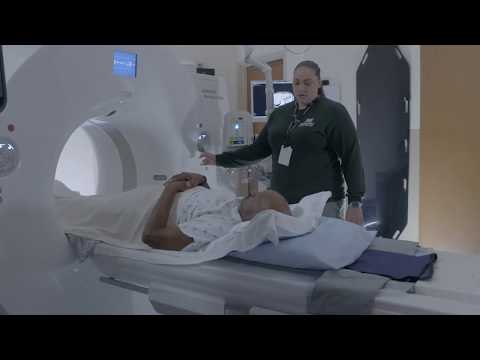
So, picture this: you’re sitting in a doctor’s office, and they say you need a CT scan of your abdomen and pelvis. Your heart skips a beat. You think, “What now?” But here’s the fun part—it’s not as scary as it sounds!
CT scans are like superheroes of the medical world. They literally let doctors see inside you without cutting you open. It’s all about peeking at organs, tissues, and bones in super detail.
Now, if you’re wondering about the “without contrast” part, don’t sweat it! We’re diving into why some scans don’t need that extra buddy called contrast dye. Trust me; knowing this stuff can be a game changer.
You ready? Let’s break it down together!
Understanding the Diagnostic Capabilities of Non-Contrast CT Scans in Medical Imaging
Well, let’s chat about non-contrast CT scans, especially when it comes to the abdomen and pelvis. It might sound super technical, but I promise to keep it straightforward.
First off, you’re probably wondering what a CT scan is. Short for **computed tomography**, a CT scan takes a bunch of X-ray images from different angles and combines them to create cross-sectional views of the body. It’s like slicing a loaf of bread and looking at the inside!
Now, what’s the deal with non-contrast? Normally, doctors might use contrast material—like a special dye—to help show off certain areas better. But in some cases, they can get all the info they need without that extra help. This is where non-contrast scans come into play.
So, why would you go for a non-contrast CT scan? Well, it’s less invasive and can be quicker. Also, for certain conditions or if someone has allergies to contrast materials—like iodine—this method is super valuable!
Let’s break down some key points about what non-contrast scans can actually diagnose:
- Kidney Stones: These pesky little rocks show up really well in a non-contrast CT. Doctors can quickly locate them and determine their size.
- Appendicitis: If you’re having stomach pain, this scan helps pinpoint appendicitis without needing any contrast.
- Hemorrhages: Any bleeding happening in the abdomen? A non-contrast scan can catch that too.
- Tumors: While not as detailed as those with contrast, it can still reveal abnormal masses or growths in some situations.
Let me tell you a story. I once got called by a friend who was panicking because he was experiencing excruciating abdominal pain. He went to the ER where they performed a non-contrast CT scan right away. Within no time, they discovered he had kidney stones! He was so relieved; at least he knew what was wrong and what needed to be done.
Another thing to think about is limitations. Sure, non-contrast scans are amazing but they have their boundaries. They might miss small lesions or subtle differences in soft tissues that contrast could highlight.
Also important: timing matters here! Sometimes doctors might decide on a follow-up with contrast if they suspect something more complex after reviewing the first scan results.
In essence, while non-contrast CT scans are incredibly useful for specific diagnostics—especially concerning urinary tract issues—they aren’t always the full picture when it comes to other conditions in the abdomen or pelvis.
So yeah, while we’re often racing toward more techy solutions in medicine nowadays—looking for fancier software or machines—it’s kinda cool how these basic tools still hold their ground in effective diagnostics!
Identifying Organs on Contrast-Enhanced CT Scans of the Abdomen and Pelvis: A Detailed Overview
Well, you know, contrast-enhanced CT scans are like those cool glasses that give you a clearer view of what’s going on in your body. When it comes to the abdomen and pelvis, they can really help in identifying different organs and abnormalities. So, let’s break down what you need to know!
What is a Contrast-Enhanced CT Scan?
Okay, first things first—you might be wondering what’s up with the “contrast” part. Basically, it’s a special dye that’s injected into your bloodstream before the scan. This dye helps certain organs show up way better than if it were just a regular CT scan. Think of it like highlighting text in a book.
Why Use Contrast?
The contrast makes blood vessels and tissues easier to distinguish from one another. It highlights areas that might be hiding something fishy, like tumors or infections. So when you’re trying to identify organs on these scans, the contrast is super helpful.
- Liver: The liver usually looks bright because it absorbs the contrast well.
- Spleen: This one also lights up nicely but is generally more uniform compared to the liver.
- Kidneys: They appear prominent due to their vascular nature; you can even spot cysts or stones!
- Panceris: The pancreas can be tricky but stands out against the surrounding fat when enhanced.
The Anatomy Peek
When you’re looking at these scans, you’ve got your major organs lined up like characters in a play. Here’s how they each show up on that fancy screen:
– **Liver**: Usually looking big and bright! It sits on the right side of your abdomen.
– **Spleen**: Small and shaped like an avocado on the left side.
– **Kidneys**: Two bean-shaped organs sitting pretty below the rib cage.
– **Pancreas**: Sneaky little guy nestled behind the stomach—it tends to blend in without contrast.
Spotting Abnormalities
So aside from just identifying these organs, what about spotting issues? That’s where things get interesting! If something looks off—like an area that’s unusually dark or bright—that can lead doctors down important paths for diagnosis.
For instance:
And seriously, it’s amazing how much info one scan can provide when used properly!
The Limitations
But hey, nothing’s perfect! Contrast-enhanced CT scans aren’t for everyone. Some folks might have allergies or kidney issues that prevent them from getting contrast safely. In such cases, doctors often rely on regular CT scans or other imaging techniques.
You see? Identifying organs using these types of scans can really feel like piecing together a puzzle—you’ve got different shapes and colors telling their own stories about what’s happening inside us.
In short, having this tool at our disposal helps medical professionals make informed decisions about treatment plans based on clear visual evidence. Isn’t science kinda neat?
Understanding Organs Visualized in Non-Contrast Abdominal and Pelvic CT Scans: Insights for Medical Imaging
So, let’s talk about **CT scans of the abdomen and pelvis** without contrast. You might be wondering, what’s the deal with these scans? Well, they’re super useful for getting a peek inside our bodies without poking or prodding too much.
When you go for a CT scan, the machine takes lots of pictures of your insides using X-rays. It’s like taking slices of bread but with your body. The cool part? You can see various organs pretty clearly! When doctors want to check out organs like the liver, kidneys, and even the intestines, a non-contrast CT scan can still give them a solid idea of what’s happening.
Now, you might ask why go without contrast? Sometimes it’s just not safe or necessary. Like if someone has an allergy to the dye used in contrast agents or if their kidneys are feeling a bit under the weather. In those cases, they opt for this non-contrast approach and it can still show quite a bit!
Here are some important bits about what these scans can reveal:
You know, it’s fascinating how much info these scans can provide just from looking at differences in density. Like, if something is denser than surrounding tissue, that could be a sign there’s something going on—like an abnormal growth or infection.
Oh! And there was this one time my friend went in for a stomach ache and ended up getting one of these scans. Turns out he had diverticulitis—no fun! But because they could see it clearly on the CT without needing contrast, they figured everything out quickly.
So yeah, while contrast-enhanced scans provide more detail at times—especially when you’re looking at blood vessels—it doesn’t mean non-contrast ones are useless. They’re just less detailed but still powerful tools in diagnosing issues! Understanding how these work helps both patients and doctors make better decisions about health care options.
In short? Non-contrast CT scans are handy dandy ways to visualize organs in your abdomen and pelvis without extra fuss—with plenty of important insights packed inside those images.
So, picture this: you’re sitting in a bustling clinic, maybe feeling a bit anxious. The nurse calls your name, and you shuffle into the dimly lit room where that big, fancy machine awaits you. Yes, I’m talking about a CT scan. But not just any CT scan – this one’s all about your abdomen and pelvis without any contrast.
Now, let’s break it down for a second. A CT scan uses X-rays to create detailed images of your insides, right? It’s like taking a peek under the hood of a car to see how things are running. But when they do it without contrast, it means they’re not using that slightly weird dye that can show more detail but sometimes gives you a chilly sensation as it flows through your veins.
So why would you choose to do it without contrast? Well, sometimes doctors want to get a clearer picture of calcifications or certain types of tumors that might be hidden in there. It’s super beneficial if you have allergies to the contrast dye or if your kidneys aren’t working perfectly; they really don’t want to add any extra stress.
The thing is, these scans can reveal loads about what’s happening – whether it’s an appendicitis or just some gas that feels like it’s blowing up a balloon in your stomach! I remember when my friend had one done because he thought he had serious issues. He was so on edge; we joked about needing popcorn while waiting for his results because it felt like we were watching some sort of medical drama unfold!
While the images from the scan without contrast might not be as vivid as those with it, they still hold plenty of insights. Doctors can often piece together quite a story from those images alone. And I think that’s something we sometimes overlook—how much our bodies communicate if we just take the time to listen (or look!).
It’s wild how technology has advanced so much; these scans are like maps leading us through our own bodies’ landscapes—showing what needs fixing or just helping us feel at ease knowing everything’s alright in there.
So next time you’re in for an abdominal and pelvic CT scan sans contrast, breathe easy. You’ll get some valuable intel about what’s going on beneath the surface!