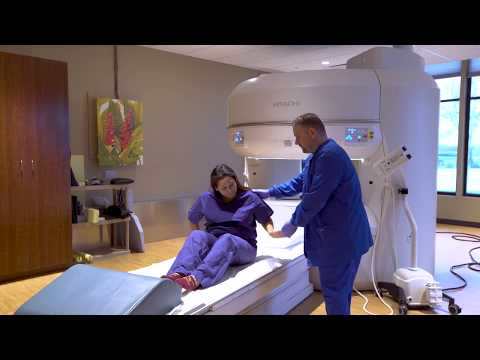
So, you know how sometimes when you go to the doctor and they say, “We need to do an MRI”? It sounds super sci-fi, right? Like something out of a movie where aliens are probing your insides. Well, not quite!
But here’s the deal: MRIs are actually pretty amazing tools. They can show us what’s going on inside our bodies without needing to cut anything open. Crazy cool, huh?
Now, when we talk about MRI abdomen contrast techniques, things get even more interesting. It’s like adding a little flavor to your favorite dish! This stuff helps doctors see things clearer—like that time you tried on those new glasses and suddenly realized the world wasn’t just a blurry mess.
In this chat about MRIs and contrast techniques for the abdomen, you’ll find out what it’s all about. Trust me; it’s way more exciting than it sounds!
Understanding Contrast Agents in Abdominal MRI: A Comprehensive Overview
MRI, or Magnetic Resonance Imaging, is a powerful tool for looking inside our bodies. When it comes to abdominal MRI, contrast agents play a crucial role. These substances help make the images clearer by enhancing the visibility of certain structures or abnormalities. Let’s break this down a bit more.
What Are Contrast Agents?
Okay, so contrast agents are basically special dyes that you might be given before an MRI scan. They help highlight organs, blood vessels, and other tissues in your abdomen, making them easier to see. You might receive them through an injection or even take them orally, depending on what your doctor is looking for.
Types of Contrast Agents
There are two main types of contrast agents used in MRI:
- Gadolinium-based contrast agents: These are the most common. Gadolinium is a metal that can intensify the magnetic field effects in your body, providing clearer images.
- Oral contrast agents: Sometimes, you’ll drink a solution that helps to highlight your digestive tract and surrounding structures.
Why Use Contrast Agents?
You might be wondering why these fancy dyes are needed at all. Well, think about it like this: when you take a picture with your phone, lighting can make a huge difference in how things look. Contrast agents work kind of like that—they improve visibility and allow radiologists to see things they might otherwise miss.
How Do They Work?
When you get an MRI with contrast, here’s what happens: The gadolinium gets into your bloodstream and flows through your organs and tissues. Because gadolinium has properties that interact well with the magnetic fields used in MRI machines, areas where the agent accumulates appear brighter on the scans.
It’s kind of amazing if you think about it! The way these contrasting materials highlight differences can give incredibly detailed information about tumors, cysts, infections—or whatever else might be lurking around your abdomen.
Safety Considerations
Most people tolerate contrast agents well without any issues. But there are some risks to keep in mind! Some folks may experience mild allergic reactions like itching or nausea. In rare cases, serious side effects can occur—especially for people with kidney problems since gadolinium can affect kidney function.
This is why doctors usually check for any health issues before giving you a contrast agent. It’s all about keeping you safe while getting those super clear images!
The Process of Getting an Abdominal MRI
If you’re scheduled for an abdominal MRI with contrast:
- You’ll likely need to fast for several hours before the test.
- The technician will ask about any allergies and go over how the procedure works.
- If you’re getting an injection of the contrast agent, it will happen right before they start taking pictures of your abdomen.
And during the scan? You’ll lie down inside a big machine that makes loud noises—kind of like being inside a washing machine! Don’t worry; it won’t last too long.
In sum—contrast agents really amp up how we use MRIs for abdominal imaging! They help doctors see what’s going on inside us more clearly than ever before. If you’re ever getting one done yourself? Now you know what’s up!
Exploring Common Imaging Techniques for Abdominal Scans: A Scientific Overview
Well, let’s talk about some cool stuff that happens when doctors want to peek inside your belly. You know, sometimes you have to get those abdominal scans, right? So, there are a few imaging techniques they might use. Each one has its unique way of working. Here’s the scoop on some of the most common ones.
1. Ultrasound: This is like using sound waves to see inside your body. They put a little gel on your skin and then glide a small device called a transducer over it. This sends out sound waves that bounce off organs and create images on a screen. It’s super handy for things like checking out gallbladders or kidneys without any radiation.
2. CT Scans: In this method, you lie down while a big machine takes rotating X-ray images of your abdomen. It combines these images to create 3D pictures, showing doctors what’s going on inside you in great detail. They can find tumors, internal bleeding, or other issues pretty effectively with this technique.
3. MRI Scans: Now here’s where it gets really interesting! MRI stands for Magnetic Resonance Imaging. Instead of X-rays, it uses strong magnets and radio waves to make images of your organs. When they inject contrast material into your veins (usually a liquid called gadolinium), it helps highlight specific areas better so doctors can spot problems more easily.
So why do we care about this contrast stuff? Well, contrast agents improve image clarity by making certain tissues stand out against others—kind of like highlighting important text in your notes! For instance, if there’s inflammation or a tumor, the contrast might make those areas look much brighter compared to surrounding tissues.
But wait! There are different types of contrast techniques used with MRI scans too:
- Dynamic Contrast-Enhanced MRI: This technique captures multiple images over time after the contrast is injected. It helps in evaluating blood flow and can be critical for determining if a tumor is cancerous.
- T1-Weighted Imaging: Usually done after the contrast injection helps visualize anatomy very well! Tissues look bright depending on their fat or water content—muscles may show up darker while fat shows as bright spots.
- T2-Weighted Imaging: This looks different because it’s more about fluid content in tissues; edema shows up nicely here.
Oh man! I remember when my friend had to get an MRI because she was feeling weird stomach pains. At first, she was super nervous about being in that tube-like machine; it can feel kind of claustrophobic! But once she got through it and found out everything was fine – phew! – she felt relieved that something so simple could give her answers.
Alrighty then! Each imaging technique has its perks depending on what you’re looking for in those abdominal scans—so it’s not one-size-fits-all by any means! And hey, knowing how these techniques work can really help demystify the whole process next time you’re faced with getting one yourself or when someone close goes through it!
So there you have it—a little overview on common imaging techniques for abdominal scans from ultrasound to MRI contrast techniques!
Understanding the MRI Procedure for Abdominal Imaging: Techniques and Insights in Medical Science
So, let’s talk about the MRI procedure for abdominal imaging. If you’ve ever been told you need an MRI, it can sound a bit intimidating. But really, it’s just a fancy way to take pictures of your insides!
What is MRI? Magnetic Resonance Imaging (MRI) uses strong magnets and radio waves to create detailed images of organs and tissues inside your body. Unlike X-rays or CT scans, MRIs don’t use any radiation, so they’re generally safer for repeated use.
Now, when it comes to your abdomen, there are specific things they’re looking for—like tumors, organ abnormalities, or issues with blood vessels. The abdominal area is pretty busy with all sorts of organs packed in there. That’s why clear images are super important!
How does the MRI work? Basically, you lie down on a table that slides into a big tube (the MRI machine). It can feel a bit cramped; some folks say it’s like being in a high-tech donut! While you’re inside, the machine creates magnetic fields that align water molecules in your body.
The cool part? When these molecules return to their normal state, they emit signals that are picked up by the machine and turned into images. You’ll hear thumping sounds during the process—kind of like a techno concert! And by the way, staying still is key; any movement can blur those precious images.
- Contrast Agents: Sometimes they use something called contrast agents to make certain areas show up better on the scans. They usually inject these through an IV before starting the scan.
- T1 and T2 Weights: The two common types of imaging used in MRIs are T1-weighted and T2-weighted scans. T1 shows fat better, while T2 highlights fluids—helpful for spotting inflammation or tumors.
A little story: A friend of mine had some abdominal pain and ended up getting an MRI. At first, she was super nervous about being inside the machine but was surprised at how quickly it all went down. She walked out with some peace of mind after getting those detailed pictures!
Post-Procedure: Afterward? Pretty simple! You might need to wait a bit if you had contrast used because doctors want to ensure everything is okay before sending you on your way. Depending on what they find in those images, follow-up appointments or additional tests may be scheduled.
If you ever find yourself needing an MRI for abdominal imaging—don’t sweat it too much! Just remember: it’s all about getting clear pictures that help doctors figure out what’s going on inside you.
So, imagine you’re feeling kinda off—like that annoying twinge in your side that just won’t go away. You head to the doctor, and they mention an MRI. You might be thinking, “Why an MRI?” It’s all about getting a clear picture of what’s happening inside your body. Pretty cool, right?
Now, when it comes to the abdomen, there are different techniques involved. Some folks get what’s called contrast agents injected into their bodies before the scan. These agents help highlight specific areas in your abdomen so doctors can see things clearer. It’s like turning on the lights in a dark room—suddenly, you see everything that’s been hiding in the shadows!
I remember when my friend had to go through this. She was nervous about getting a needle for the contrast agent, but she also wanted answers about her stomach pain. After the scan, she felt relieved knowing doctors could finally see what was going on. That moment of clarity is just so crucial.
The thing is, using contrast doesn’t always work the same for everyone. Some people have allergies or reactions to these agents; others might need different types depending on their condition or history. It’s like choosing between chocolate or vanilla ice cream—what works best really depends on you and your body’s unique needs.
Doctors often use either gadolinium-based or iron-based contrast agents for MRIs of the abdomen. Gadolinium is pretty common because it’s effective at enhancing soft tissue visibility, which means they can spot tumors or other abnormalities more easily. But there are different strategies behind how and when these contrast materials are used based on what they’re searching for.
It’s wild to think that something as simple as an injection can radically change what those MRI images look like and how much information doctors can gather from them! So next time you hear someone talking about MRIs with contrast techniques, maybe it’ll spark a little appreciation for how far medical imaging has come.
And honestly? It’s comforting to know that when something feels off inside us, technology is there to help navigate what’s happening beneath our skin—like having a superpower of sorts where we get to see inside ourselves!