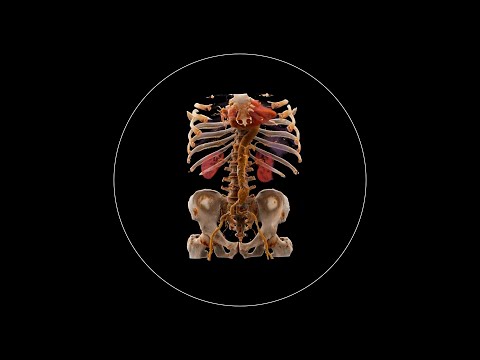
You know that feeling when you walk into a dark room and someone flips the switch? Suddenly, everything is clear and you can see what’s going on. Well, that’s kinda what advancements in medical imaging technology do for doctors. They’re flipping the switch on how we look inside our bodies!
Imagine this: just a couple of decades ago, if you wanted to peek at a broken bone, you’d be relying on good ol’ X-rays. Fast forward to today, and we’ve got stuff like MRIs and CT scans that are practically like having superpowers! You can get stunningly detailed images of your insides without even breaking a sweat—or getting poked with any needles.
But it’s not just about fancy pictures. These technologies are revolutionizing how doctors diagnose and treat diseases. They’re like the ultimate behind-the-scenes crew making sure everything runs smoothly. You follow me?
So let’s take a little journey through this wild world of medical imaging—where science meets creativity and innovation. You might just find out something you never knew before!
Exploring the Latest Advancements in Imaging Technologies: Innovations Shaping Modern Science
So, imaging technologies, huh? They’ve come a long way and really changed how we see the world around us, especially in medicine. Imagine being able to peer inside the human body without even cutting it open. That’s what medical imaging does! It helps doctors figure out what’s going on inside us without any invasive procedures. Here’s how stuff has been shaking up in the world of imaging.
1. MRI and CT Scans
Okay, let’s start with MRI (Magnetic Resonance Imaging) and CT (Computed Tomography) scans. They’re like that friend who always shows up when you need them. MRIs use powerful magnets and radio waves to create detailed images of organs and tissues. This tech is seriously impressive; it can show soft tissues better than anything else out there! On the other hand, CT scans combine X-ray images from different angles to produce cross-sectional views of bones, organs, and other tissues. It’s super quick and great for emergencies—like if someone comes in with a head injury.
2. PET Scans
Next up is the PET scan or Positron Emission Tomography. It’s kind of a big deal in cancer detection because it shows how your body is functioning at a cellular level. What happens is you get injected with a tiny amount of radioactive material that highlights areas where cells are particularly active—y’know, like tumors! So, doctors can see not just where the cancer is but also how aggressive it might be.
3. Ultrasound Innovations
Now, let’s chat about ultrasounds! These have been around forever but keep getting cooler thanks to advancements like 3D ultrasound technology. Traditionally used during pregnancy to check on babies, they’re now being used for more complex diagnostic applications too, like looking at heart issues or even guiding surgeries in real time!
4. AI in Imaging
Oh man, artificial intelligence is totally transforming this field too! Algorithms can analyze images faster and sometimes even more accurately than human eyes can catch—especially when detecting things like tumors or fractures in X-rays or MRIs. This means radiologists can focus more on patient care rather than just staring at screens all day!
5. Portable Devices
And here’s something cool: portable imaging devices are also popping up everywhere! Like handheld ultrasound devices that fit into your bag—you know? Imagine a doctor being able to do an ultrasound right at your bedside instead of shuffling you around different departments.
All these advancements don’t just help doctors; they really improve patient outcomes as well! A friend once told me about her experience getting an MRI while nervous about potential results from her doctor—it turned out she was fine! But what struck her was how quickly they got those clear images thanks to modern technology.
So anyway, imaging technologies are making incredible strides that are seriously shaping modern medicine—not just by providing pictures but by helping save lives through early detection and treatment planning! And as these innovations keep coming down the pipeline? Well, I’m excited to see where they take us next!
Exploring the Latest Advances in Medical Imaging Techniques: Innovations Shaping the Future of Healthcare
Medical imaging has come a long way, and it’s pretty cool when you think about it. You know, like how we can see inside the human body without doing any crazy surgery? It’s all thanks to some innovative techniques that have been shaping healthcare in amazing ways.
One of the biggest advancements is the development of 3D imaging. This technology allows doctors to see a detailed view of organs and tissues from different angles. Imagine slicing an apple to check if there’s a worm inside. Well, 3D imaging does that but with your body! It helps in diagnosing conditions more accurately and planning surgeries better.
Another exciting innovation is magnetic resonance imaging (MRI). This isn’t just your regular MRI; advancements now allow for functional MRI (fMRI), which measures brain activity by detecting changes in blood flow. Picture a movie showing which parts of your brain light up when you’re thinking or feeling something. This technique is super handy for understanding brain disorders or even planning treatments for tumors.
Let’s talk about ultrasound technology. You know how you can ultrasound babies during pregnancy? That’s just the tip of the iceberg! New developments are making ultrasound much clearer and more versatile. Doctors are using it not only for checking on pregnancies but also for guiding biopsies and even treating conditions through techniques like focused ultrasound surgery—basically using sound waves to zap away issues without making any cuts!
And then there’s positron emission tomography (PET). This one’s really neat because it combines nuclear medicine with CT scans to show how tissues and organs are functioning. For example, PET scans help us see how cancer cells behave in real time, giving doctors vital info on whether treatments are working or not.
There’s also emerging tech in the field of machine learning, which sounds super high-tech but really just means teaching computers to learn from data, so they can assist doctors in interpreting images faster and maybe even more accurately than humans sometimes. Imagine having an assistant who never gets tired!
In addition to these methods, researchers are constantly working on enhancing image quality, reducing exposure to radiation, and making these techniques more accessible worldwide—like creating portable imaging devices for rural areas where hospitals aren’t close by.
So yeah, medical imaging keeps evolving! The future looks promising with these innovations paving the way for faster diagnoses and improved patient care overall. It’s not just about seeing inside the body anymore; it’s about understanding it deeply—kind of like having X-ray vision but with way more brainpower behind it!
Exploring Technological Advancements in Medicine and Radiology: Transforming Science and Healthcare
Have you ever thought about how far we’ve come in medicine, especially when it comes to imaging technology? Like, remember when X-rays were the high-tech way to peek inside someone? Now, things have really leveled up. Let’s break down some of the cool advancements in medical imaging that are transforming healthcare.
First off, we’ve got **MRI scans**. These machines are like magic boxes—well, sort of! They use strong magnets and radio waves to create detailed images of the inside of your body. It’s not radiation like X-rays, which is great for safety. The detail is impressive too! You can see soft tissues clearly, which helps doctors figure out what’s going on with your brain or muscles.
Then there’s **CT scans**. They take a bunch of X-ray images from different angles and use a computer to combine them into a detailed 3D picture. This tech has come so far that it’s now pretty fast and can even help identify things like tumors or internal bleeding in real-time.
And let’s not forget about **ultrasound**! You know those sweet moments when parents see their baby for the first time? That’s an ultrasound at work! But it’s also super useful for diagnosing other conditions because it uses sound waves instead of radiation. It’s portable too—not every fancy tech needs to be stuck in a hospital!
But wait, there’s more! There’s also some exciting stuff happening with **digital imaging** and **AI** (artificial intelligence). AI can analyze images faster than human eyes can, spotting anomalies that might be missed otherwise. Imagine a doctor getting a second opinion from a machine that never gets tired—it saves time and might catch something critical.
Oh, and let me tell you about **3D printing** in medicine. It’s not just for making toys anymore! Surgeons can print models of organs or bones before operating on patients, which helps them plan their moves better. It sounds like sci-fi but it’s real!
Lastly, there are advancements in **telemedicine**, where doctors can view imaging results remotely and consult with other experts across the globe without having to be in the same room. This means quicker diagnoses and treatments for people everywhere.
So yeah, all these improvements make healthcare more accurate and accessible than ever before. Imagine being able to spot an illness earlier or tailoring treatment plans based on super-detailed images—seriously amazing stuff happening here!
In short:
- MRI: Uses magnets for detailed soft tissue images.
- CT Scans: Combines X-rays into 3D pictures for quick diagnosis.
- Ultrasound: Safe sound wave technology for seeing inside without radiation.
- AI: Analyzes images fast; helps catch issues early.
- 3D Printing: Creates models for better surgical planning.
- Telemedicine: Remote consultations improve accessibility.
Alrighty then! Technology in medicine is not just helping doctors but is transforming lives every day. And who knows what exciting advancements lie ahead?
So, medical imaging, right? It feels like this magical window into the human body. Just think about it: we’ve got MRI, CT scans, ultrasounds—the list goes on. Each one of these methods has its own little special trick. Like when I got my first MRI done for a sore knee, I was lying there in that giant tube and couldn’t help but feel fascinated by how something so science-y could tell doctors what was happening inside me without any surgery!
Advancements in technology have really changed the game. Back in the day, if you had a broken bone or something weird happening inside you, it was kind of a guessing game for doctors. Now we have high-definition images that show everything from soft tissues to blood flow. It’s almost like having a superhero power—being able to see through skin! For instance, the development of functional MRI (fMRI) allows doctors to see which parts of the brain are active while you’re doing various tasks. That’s pretty mind-blowing if you ask me.
But here’s where it gets even cooler: researchers are constantly pushing the boundaries with artificial intelligence and machine learning. Imagine your doctor having an assistant that can sift through thousands of images in seconds to spot abnormalities! It’s like having an extra pair of super sharp eyes in the room—no wonder they’re finding things earlier than ever before.
Yet with all this tech wizardry comes some challenges too. Privacy concerns pop up because all those images have personal info tied to them. You don’t want your medical data floating around out there without your permission, right? And while machines can do amazing things, they’re not perfect; human touch and intuition still matter in medicine.
So yeah, advancements in medical imaging are pretty darn impressive. They’re saving lives and helping us understand our bodies better than ever before. But let’s not forget: behind every image is a person—a story waiting to be told—and that’s what it’s really all about!