You know, I once took a geology class thinking I’d just be staring at rocks. Turns out, it’s way more like a time machine! Seriously, those layers of dirt and stone tell stories that span millions of years.
So picture this: you’re standing on a hill, and beneath your feet lies an entire history book made of rock. Each layer? It’s like a chapter filled with tales of ancient seas, crazy volcanoes, and the dinosaurs’ wild parties.
Yeah, geologic strata are pretty cool. They help us understand everything from climate change to the dinosaurs’ big exit from the stage. So let’s unpack what these layers are all about and why they matter so much in Earth’s epic saga!
Exploring Earth’s History: The Three Main Geological Eras Explained
Alright, so let’s chat about Earth’s history and the three main geological eras. The planet’s story is written in layers, like a book made of rocks. When scientists study geologic strata—those layers of sedimentary rock—they unlock secrets about what happened long before us.
First up is the Paleozoic Era. This era lasted from about 541 to 252 million years ago. Picture it as a time when life was mainly in the ocean. You had all kinds of fish and creepy crawlers, like trilobites, darting around. But it’s not just about sea critters; this era also saw the first land plants appear! Can you imagine seeing those early ferns sprouting? It must have been pretty cool!
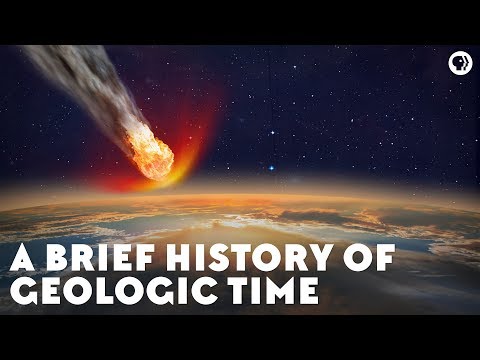
Then there was the Mesozoic Era, also known as the “Age of Reptiles.” Spanning from approximately 252 to 66 million years ago, this era is where dinosaurs take center stage. From tiny raptors to massive T-Rexes, these guys ruled the land. Also, don’t forget about flying reptiles and prehistoric marine life like ammonites! The thing is, this period ended dramatically with a big ol’ asteroid impact that wiped out nearly all dinosaurs—talk about a plot twist!
Finally, we reach the Cenozoic Era, which started around 66 million years ago and continues today. Think of it as the “Age of Mammals.” After that dinosaur die-off, mammals began to thrive and evolve into all sorts of shapes and sizes. That includes everything from huge woolly mammoths to tiny rodents! This era also marks significant climate changes that shaped our planet’s landscape—the rise of mountains and even the formation of ice caps.
So why is all this important? Well, understanding these geological eras helps us piece together how life on Earth has evolved over millions of years. It’s like reading a massive saga filled with incredible characters and events that led us to where we are now.
To recap these three eras:
- Paleozoic: Sea creatures dominate; first land plants appear.
- Mesozoic: Age of dinosaurs; they reign until an asteroid causes their extinction.
- Cenozoic: Mammals flourish after dinosaurs; we’re still living in this age!
In short, each geological era tells a part of Earth’s story—a tale full of twists and turns that’ll make you appreciate our planet even more! Seriously fascinating stuff!
Exploring Famous Strata Formations: Insights into Geological Wonders and Their Scientific Significance
You’ve probably heard of geologic strata, right? These layers of rock and sediment tell us incredible stories about the Earth’s past. They’re like nature’s history books, giving us insights into not only how the planet formed but also how life evolved over millions of years. Pretty cool, huh?
So, let’s get into some famous formations and what they reveal. You know the Grand Canyon? It’s a prime example. The rock layers there are incredibly well-preserved. When you look at those colorful bands, you’re seeing millions of years worth of Earth’s history stacked up. The oldest layers are about 2 billion years old! Each layer was formed under different conditions and represents different climates and environments.
Think about it: some layers were laid down when this area was beneath a vast ocean! Imagine all those tiny sea creatures piling up after they died and being compressed over time into limestone. Isn’t it wild to think that these layers tell tales of ancient coral reefs?
Another fascinating site is the Badlands National Park in South Dakota. Its striking formations showcase an array of colors that represent different minerals in the rocks—reds from iron, greens from clay, and more! These vibrant stripes are evidence of volcanic activity and changing climates over eons.
But why do we care about these rock formations? Well, they hold clues to our planet’s climate history. By studying them, scientists can see how Earth has warmed and cooled through time—understanding these shifts can help predict future climate patterns!
Also,
For example, fossil fuels like oil often reside in certain sedimentary layers formed millions of years ago in specific environmental conditions.
And let’s not forget fossils! Strata are littered with them. From dinosaurs roaming around to tiny prehistoric plants—these remnants give us snapshots of what Earth was like at various times. When paleontologists find a dinosaur bone in particular strata, they can make educated guesses about when it lived based on the age of that layer.
But here’s something that’ll totally get you thinking: every time we discover a new stratum or fossil layer, it’s like piecing together a giant puzzle we still don’t fully understand! We might find something unexpected or even redefine what we know about Earth’s history.
Next time you see a picture of those colorful canyon walls or hear someone mention strata formations, just remember—you’re looking at billions of years compressed into beautiful layers that shape our understanding of both geology and life itself! Isn’t nature just amazing?
Unlocking Earth’s Past: Insights from Geology on Our Planet’s History
Geology is like the ultimate detective story, where the Earth is telling its secrets through layers of rock and sediment. Imagine walking outside and seeing a giant cake made up of different layers—each one tells a part of a story. That’s pretty much what geologic strata do! They give us clues about our planet’s history, helping us understand how things have changed over millions of years.
What are Geologic Strata? Basically, these are the layers of rocks and sediments that have piled up over time. Each layer represents a specific period in Earth’s history that has been shaped by various processes like erosion, sedimentation, and volcanic activity. So when you look at these layers, you’re actually peeking into different eras filled with ancient environments and life forms.
How Do They Help Us? Well, geologists study these strata to piece together events from our planet’s past. For instance:
You see? Each layer acts like a page in a book, where every chapter reveals more about how our planet has evolved.
Anecdote Time! I remember going on a field trip in school to a local canyon with my class. We saw these distinct layers of rock exposed—some were dark and crumbly while others were light and smooth. Our guide explained that those dark layers were made from ancient swampy conditions where plants thrived millions of years ago! It was mind-blowing to think I was standing on a piece of history.
Now, let’s talk about radiometric dating. This method allows scientists to determine the age of rocks by measuring radioactive isotopes within them. It’s super cool because it gives us concrete timelines for when certain events happened—like when dinosaurs roamed or when massive volcanic eruptions took place.
In summary, understanding geologic strata isn’t just for nerdy scientists; it helps all of us connect with Earth’s grand narrative! By piecing together these layers, we gain insights not only into when things happened but also why they mattered—a reminder that we’ve all shared this planet for eons! So next time you’re out somewhere rocky or layered up in nature, remember: you’re standing on Earth’s storybook pages. Isn’t that pretty awesome?
You know, I was walking through a park the other day, and I saw this old rock formation. It got me thinking about geologic strata and how they tell the story of our planet. Like, if you really stop to consider it, each layer is like a chapter in Earth’s biography. Isn’t that something?
So here’s the deal: geologic strata are basically different layers of soil and rock that have built up over time. When you look at them, you’re peeking into history—some layers might be millions of years old. It’s wild to think about how these layers can show us what life was like back then. Fossils found in those rocks give us all sorts of clues about ancient animals and plants. Like, did you know that some dinosaurs roamed around when certain layers were forming? Talk about an epic time travel experience!
The thing is, these layers are not just random; they form due to various events like volcanic eruptions, floods, or even the slow movement of tectonic plates. Yeah, those massive slabs of Earth’s crust that float on the molten layer beneath—pretty cool, right? Every shift or shake can create new layers on top while erasing others beneath.
I remember visiting a national park where the walls exposed thousands of years of geological history—like a giant cake with all its different flavors layered one over the other! Each slice shed light on what used to be there and how things evolved over time. It kind of makes you feel small but also part of something way bigger.
And here’s something fascinating: scientists study these rock layers to understand climate changes throughout Earth’s history too! They can see how temperatures shifted or what kinds of environments existed at different times just by examining these sediments. It’s like reading nature’s diary.
So next time you’re out somewhere with some rocks or cliffs around (or even just watching a documentary), think about all those stories buried in the ground beneath your feet. The Earth has gone through so much turmoil—and tranquility! Each layer whispers tales of epic transformations from raging volcanoes to gentle ocean waves lapping against ancient shores.
Isn’t it amazing? Just think about all those geologic strata waiting for someone curious enough to listen to their stories!