Did you know that the first ever X-ray was taken over a hundred years ago? Picture this: a guy named Wilhelm Röntgen was just messing around in his lab, testing out some cool equipment, when he accidentally discovered a way to see inside things without opening them up. Crazy, right?
Fast forward to today, and radiology is like this superpower for doctors. We’re talking high-tech imaging that can spot problems before you even feel sick. It’s kind of like having a crystal ball for health! And when it comes to FNH radiology—yeah, that’s focal nodular hyperplasia for those not in the know—we’ve got some pretty exciting innovations happening.
Imagine being able to diagnose and treat better than ever before. That’s what the latest tech is doing! It’s all about making patients’ lives easier and outcomes better. So grab a cup of coffee, because we’re diving into how radiology is changing the game for folks dealing with FNH. You’ll want to stick around for this one!
Exploring the Latest Advancements in Interventional Radiology: Innovations and Trends in Medical Science
Interventional radiology is, like, one of those areas in medicine that’s just bursting with innovation. You might not even realize how much it’s changing the game for patients. Well, let’s break it down a bit!
First off, interventional radiology is all about using imaging techniques to guide small instruments through blood vessels or other pathways in the body. Think of it as a futuristic approach to surgery—where doctors can do some pretty amazing stuff without making big cuts. You know?
When we talk about advancements in interventional radiology, we’re looking at several exciting trends:
- Minimally Invasive Techniques: Seriously, these procedures often mean smaller incisions and quicker recoveries. For example, instead of traditional surgery to remove tumors, doctors can now use catheters to deliver treatment directly to them.
- Enhanced Imaging Technology: The latest machines provide super-clear images during procedures. This helps physicians see exactly what they’re doing—like having a high-definition TV where every detail matters!
- Patient-Specific Treatments: Thanks to advanced imaging and data analysis, doctors are able to tailor treatments based on individual patient needs. Imagine getting a treatment plan that’s made just for you—it’s very cool.
Now, let’s focus on something specific: Focal Nodular Hyperplasia (FNH). It’s this benign liver condition that can sometimes freak people out because they hear the word “tumor.” But don’t worry! The latest innovations in interventional radiology are making management easier and less stressful.
For FNH, new tools are being developed that help doctors figure out the best treatment options without invasive surgery. For instance:
- Transarterial Embolization (TAE): This technique involves blocking blood flow to the nodules while preserving surrounding tissue—meaning less damage overall.
- Radiofrequency Ablation (RFA): Using heat produced by radio waves, this method can destroy unwanted cells with minimal discomfort.
So why does all of this matter? Well, patient outcomes see serious improvement when these methods get utilized! With quicker recovery times and fewer hospital stays, patients can get back to their lives faster. It’s like when I once had minor surgery and got sent home with just a band-aid instead of a huge scar—I was over the moon!
In short, interventional radiology isn’t just about fancy gadgets; it’s paving the way for personalized medicine that really keeps patients’ wellbeing at heart. You follow me? This field is all about bringing innovation right into the hands of healthcare professionals so they can provide better care for all of us!
Exploring the Latest Advancements in Diagnostic Radiography: Innovations and Trends in Medical Imaging Science
So, let’s talk about diagnostic radiography. This field is totally transforming how we view and understand medical imaging. You might think of X-rays or MRIs as just those cool machines in a hospital, but there’s a lot more going on behind the scenes.
First off, advanced imaging techniques are pouring in like never before. We’re talking about stuff like functional magnetic resonance imaging (fMRI), which shows brain activity by measuring changes in blood flow. Super neat, right? It’s an incredible tool for diagnosing conditions that affect brain function.
Another innovation that’s making waves is 3D imaging technology. This allows radiologists to visualize structures in ways they couldn’t before. It’s like going from a flat picture to a full-on 3D model! Imagine being able to see your organs from every angle before making any decisions about treatment.
And don’t forget about machine learning and AI. These smart algorithms help spot patterns in images that human eyes might miss. They can help predict diseases early by analyzing thousands of scans and finding tiny details humans might overlook. It’s kind of like having an extra set of eyes—only these ones never get tired!
Then there’s the trend towards personalized medicine. This means treatments and diagnoses tailored specifically for you, the individual patient. For instance, radiologists can now use genetic information alongside imaging data to better understand what’s going on inside your body.
Now, let’s not skip over safety! Innovations are also focused on minimizing radiation exposure while maximizing image quality. That’s crucial since no one wants to feel like a glow stick after their check-up! New technologies and better protocols are making it safer than ever for patients undergoing scans.
You know what else? There’s this rising movement towards tele-radiology, especially since the pandemic shook things up. It allows radiologists to review images remotely, which is particularly handy for rural areas where specialists aren’t always available on-site. So basically, if you’re out in the sticks, you can still get top-notch care without hopping on a long drive!
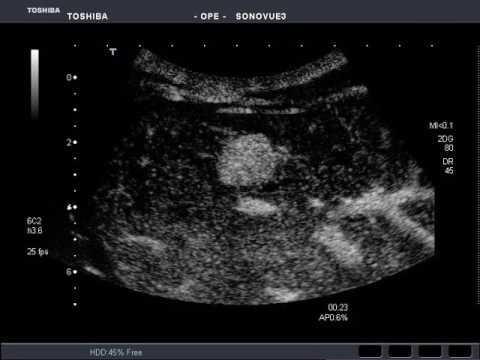
And speaking of enhancing patient outcomes—new techniques like contrast-enhanced ultrasound (CEUS) are opening up new doors for diagnosing conditions related to liver health or tumors without needing invasive procedures. That means less discomfort and faster results for patients!
In summary, diagnostic radiography isn’t just evolving; it’s skyrocketing into new realms with advancements that truly make a difference in patient care. With each new tech marvel popping up, it seems like there’s more hope than ever when it comes to diagnosing and treating medical issues effectively!
Evaluating the Efficacy of FNH Scar Enhancement in Scientific Research
Evaluating the Efficacy of FNH Scar Enhancement in scientific research is a pretty interesting topic. So, what’s the deal with FNH? It stands for focal nodular hyperplasia, which is a benign liver lesion. Basically, these little bumps don’t usually cause problems, but understanding them better could lead to improved patient outcomes through innovations in radiology.
When we talk about scar enhancement in FNH, we’re looking at how advanced imaging techniques can help us identify and assess these lesions more accurately. Traditional methods like ultrasound and CT scans are okay, but they might miss the finer details. Here’s where the new wave of radiological innovations comes into play.
- Advanced MRI Techniques: One promising approach is using MRI with specific contrast agents that highlight perfusion changes in FNH lesions. This means we can see how blood flows through these areas more clearly.
- Dynamic Contrast-Enhanced Imaging: Another tool involves dynamic contrast enhancement during imaging sessions. This technique helps visualize how lesions change over time, which can aid in diagnosis and treatment.
- Molecular Imaging: There’s also talk about molecular imaging that targets specific pathways within the lesion tissue itself. By understanding what’s happening at a cellular level, we can develop better treatment strategies.
You know it’s not all sunshine and rainbows though! While evaluating these methods might show promise, the studies have to be robust enough to draw valid conclusions. For instance, some recent studies suggest that improvements in imaging have led to better identification rates of FNH lesions during routine scans.
Still, it gets tricky when considering different patient backgrounds and their unique anatomy—what works for one person might not work for another. So researchers are emphasizing the need to consider factors like patient history and lesion characteristics before jumping to conclusions.
The ultimate goal here is enhanced patient outcomes. If radiologists can accurately diagnose FNH with less ambiguity, it may lead to fewer unnecessary surgeries or biopsies. This would not only improve patient comfort but also reduce healthcare costs overall.
So yes, while there’s a lot going on with FNH scar enhancement techniques, ongoing research is key to truly evaluating their efficacy across diverse populations. We’ve still got some hurdles ahead—but with every study published or technology introduced, we’re inching closer to better outcomes for patients everywhere!
You know, when you think about it, radiology isn’t just about taking cool pictures of what’s happening inside our bodies—it’s a whole science that helps doctors really understand what’s going on. I remember when my uncle had some health issues a few years back. The anxiety before his scans was through the roof. But thanks to advances in radiology, he went from feeling totally lost to getting clearer answers in no time.
So, let’s chat about innovations in FNH (focal nodular hyperplasia) radiology. This is particularly relevant for those with liver conditions. Imagine having a tool that gives doctors precise images to differentiate between benign and malignant masses. That’s the magic of technology today! Enhanced imaging techniques like MRI and CT scans have made huge strides in detail and accuracy. It’s wild how these machines can basically act like detectives, revealing what they’re supposed to without causing much fuss for the patient.
And then there’s artificial intelligence—yup, that buzzword is still around! AI is stepping into the game to help radiologists spot things that might be missed by human eyes alone. It’s not replacing anyone; it’s more like having a super-smart assistant that pulls up patterns and anomalies quicker than ever before. Imagine being told you have less waiting time and more accurate results because of some clever algorithms working behind the scenes.
Now think about patient outcomes… This stuff isn’t just for show! Better imaging leads to better diagnoses, which means patients can get treatment sooner rather than later. It changes everything—like flipping a switch from darkness into light when you finally understand what’s wrong with your health.
Of course, every innovation comes with its own set of challenges, like making sure everyone has access and training folks properly on new tech. But honestly? These advancements have so much potential to transform patients’ experiences from confusion and fear into clarity and hope.
In wrapping this up—seeing how far we’ve come in FNH radiology gives me this warm feeling inside. It’s all about helping people feel better faster while giving them answers they desperately need. In the end, who wouldn’t want a world where patients walk out of those imaging rooms with information that can lead them toward healing? It’s pretty uplifting if you ask me!