You know those times when you stub your toe really hard? Like, it’s this tiny little thing, but suddenly your whole world feels upside down. You can’t walk straight, and every single step is a reminder of the pain. It’s wild how much we take our feet for granted until something goes wrong, right?
Our feet are like the unsung heroes of our bodies. They’re doing a ton of work every day just to keep us moving around without us even thinking about it! Seriously, they have this crazy complex structure that supports us while we run, jump, and even just stand.
And guess what? Those little bones and muscles play a huge role in our overall health too! So, if you ever wondered how important your feet are (besides being the butt of all those toe-stubbing jokes), stick around! We’re diving into the fascinating world of foot physiology and how it keeps us on our toes—literally!
Understanding Foot Physiology: Its Impact on Human Movement and Health in Biomechanics
Foot physiology is pretty fascinating, especially when you think about how much they impact our everyday movements and overall health. I mean, just consider the last time you went for a walk or ran for the bus. Those little structures at the end of your legs are doing a ton of work!
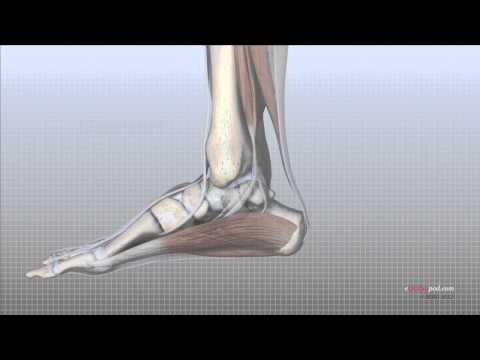
So, let’s break it down. Your foot is made up of 26 bones, 33 joints, and more than 100 muscles, tendons, and ligaments. That’s a lot of parts working together! Basically, your foot has three main sections: the forefoot, midfoot, and hindfoot. Each one plays a crucial role in how you move.
- Forefoot: This part includes your toes and helps with balance. Ever tried walking on a narrow path? That part’s doing its thing to keep you steady!
- Midfoot: It acts like a shock absorber. When you walk or run, it cushions the impact on your feet.
- Hindfoot: This section includes the heel bone and helps with propulsion. Think about pushing off when you sprint; that’s mostly the hindfoot in action.
Now, let’s talk biomechanics for a second. Your foot’s structure allows for various types of movement—walking, running, jumping—all that stuff. The way your foot interacts with the ground during these activities creates forces that travel up through your legs into your hips and back. It’s all connected!
But here’s something that might blow your mind: improper foot mechanics can lead to injuries not just in your feet but also up in your knees or even lower back pain! Ever had that tight feeling in your calves after too much walking? That could be linked to how you’re using those feet.
Oh! And did I mention arch types? You’ve probably heard of flat feet or high arches before. These variations can significantly affect how forces are distributed through your body when you’re moving around. A person with flat feet might struggle with stability when running compared to someone with higher arches who usually has better spring-loaded energy return.
Your shoes play an important role too; they help support those arches and cushion impacts as well. If they’re worn out or not quite right for your foot shape, it could throw everything off balance!
In short, understanding foot physiology isn’t just some academic exercise; it’s crucial for everyone—athletes or couch potatoes alike—to keep moving without pain! You know what they say: no happy feet means no happy life! So next time you slip on those sneakers or sandals, take a moment to appreciate all that magic happening down there at the end of your legs.
Exploring the Anatomy of Foot Muscles: A Comprehensive Guide to Human Locomotion
What’s up with our feet, huh? They’re like the unsung heroes of human movement! Seriously, have you ever thought about how much these little structures do for us? Let’s dig into the anatomy of foot muscles and why they’re absolutely crucial for everything from a casual stroll to a full-on sprint.
First off, let’s just appreciate how complex our feet really are. Each foot has **26 bones** and more than **30 joints**. Amazing, right? But what really helps us move around is the network of muscles working together to control every step we take.
So, basically, there are two main groups of muscles in your feet: intrinsic and extrinsic.
- Intrinsic muscles are found entirely within the foot. These guys help with fine motor movements like adjusting your balance when walking on uneven surfaces.
- Extrinsic muscles, on the other hand, originate in the lower leg and extend down to your foot. They control more powerful movements—things like lifting your toes or pointing your foot.
Now let’s talk about some specific muscle groups. The **dorsiflexors**, located on the front of your lower leg, lift your toes towards your shin. Ever tripped on something? Yup, those muscles could be slacking! The **plantar flexors** (like the calf muscles) do the opposite—they help you push off when you walk or run.
Here’s something cool: have you ever watched someone walk barefoot on sand? Their toes splay out naturally! That’s because of those nifty intrinsic muscles accommodating uneven ground for better grip and balance. When I was a kid playing at the beach, I’d always feel my toes digging into the sand. It was my body doing its thing without me even realizing it!
You might wonder why all this matters for health. Our feet absorb shocks from every step we take—they’re literally built to handle that impact! If any muscle gets too tight or weak (sometimes from wearing shoes all day), it can mess with our entire gait. Talk about a bummer!
But here’s where things get really interesting: those little movements in our feet can affect everything up to our knees and hips! If you’ve ever experienced back pain after standing all day, that could trace back to an imbalance in foot strength.
Now let’s wrap this up with some practical stuff: keeping those foot muscles healthy is key for good movement and overall wellness. Stretching and strengthening exercises can really help keep things balanced—think toe raises or ankle circles while watching TV!
So next time you slip on your shoes or kick them off after a long day, remember how much heavy lifting your feet are doing for you behind the scenes! Isn’t it wild how much we rely on something so often taken for granted? Your feet deserve some love too!
Understanding Foot Anatomy: A Comprehensive Guide to Ligaments and Their Functions in Human Biomechanics
The human foot is a marvel of engineering, designed to support our weight and allow us to move efficiently. Understanding its anatomy, especially the ligaments, can give us insights into how we walk, run, and even just stand around.
First off, let’s talk about what ligaments are. These are tough bands of connective tissue that link bones together at joints. They provide stability and help our feet perform their many roles, from shock absorption to balance.
Now, the foot has 26 bones and over 30 joints! That’s a lot going on down there. The ligaments are crucial for keeping everything in place. Here are some key ligaments in the foot:
- Dorsal Ligaments: These are found on the top of your foot. They stabilize the joints during movements like flexing or pointing your toes.
- Plantar Ligaments: Located on the bottom of your foot, these help support the arch. If you’ve ever felt flat-footed or have fallen arches, it’s often because these ligaments aren’t doing their job properly.
- Collateral Ligaments: These ligaments run along the sides of your toes. They’re essential for stabilizing each toe while allowing side-to-side movement.
- Tibiofibular Ligament: This connects the two bones in your lower leg (the tibia and fibula) to each other at the ankle joint. It helps maintain support as we move.
So why does all this matter? Well, imagine you’re walking along uneven ground—like a hike up a mountain trail or dodging potholes on a sidewalk. The ligaments in your feet work hard to keep everything steady while you navigate those bumps and shifts.
There’s also an emotional side to understanding our feet’ anatomy. A friend of mine had plantar fasciitis last year—it’s inflammation of one of those helpful plantar ligaments. It made walking painful for him! Once he started learning about his foot structure and how to care for it better with stretches and proper footwear, he slowly got back to hiking again—something he absolutely loves.
In terms of biomechanics, these ligaments play vital roles during movements like running or jumping. When you strike the ground with your foot while running, those tough bands help absorb shock which protects not only your feet but also knees and hips from strain.
Something else that might surprise you is that by strengthening these muscles around our feet through exercises like toe curls or calf raises can actually improve overall stability and prevent injuries. It’s all connected!
To wrap it up: Understanding foot anatomy isn’t just for athletes or medical professionals—it matters for everyone! The more we know about how our body works beneath us every day, the better equipped we are to take care of ourselves—and maybe even enjoy some outdoor adventures without pain!
You know, feet are pretty underrated, right? I mean, we shove them into shoes and often take them for granted. But seriously, they’re amazing little structures that play a huge role in how we move and stay healthy. Think about it: your feet are like a complex puzzle of bones, muscles, tendons, and ligaments working together. There’s 26 bones in each foot! Can you imagine all that intricate design just to help you walk or run?
I remember when my friend sprained her ankle during a basketball game. It was wild how one tiny twist altered her whole ability to get around. She couldn’t believe how much she relied on her foot’s anatomy—like the arch that absorbs shock or those small muscles that stabilize her balance. Suddenly, those overlooked little details became super important.
So, what really goes down with our feet when we move? Well, the foot’s structure—stuff like the arches—helps distribute weight evenly across the surface when you walk or run. It’s like an engineered shock absorber keeping everything cushy while you trot around. The way your toes push off the ground gives you speed and agility too! And those little bones? They form joints that let your foot flex properly.
But here’s where it gets even trickier: have you ever noticed how flat or high your arches are? That can significantly impact not just how you walk but also if you experience pain in other areas—like your knees or back! It’s all connected, dude. When one piece of this puzzle is out of place, everything else feels it.
Plus, let’s not forget about health issues. Things like diabetes can lead to problems with circulation and nerve damage in your feet. This is where proper care comes into play—like regular check-ups or just being mindful of blisters and calluses.
The bottom line is our feet do a lot more than just get us from point A to point B; they’re crucial for our overall health and well-being. Next time you’re kicking back after a long day, give those hardworking little guys some love! Whether it’s a quick stretch or just sitting down without shoes for a minute—because honestly? They deserve it!