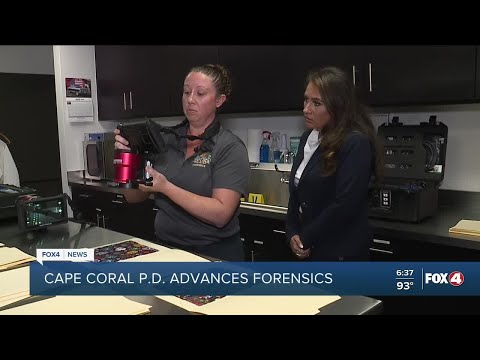
You know how in crime shows, they always have that one genius who solves everything with just a tiny speck of dust? Well, turns out, real forensic scientists are a bit like those TV characters but with way less drama and more lab coats.
Just the other day, I was binge-watching one of those true-crime series, and it got me thinking about how far we’ve come in forensic science. I mean, remember when fingerprints were the big deal? Now we’ve got DNA tests and even digital forensics on our side.
Seriously, every year brings new tech and methods that make solving crimes not just faster but way more accurate. It’s like we’ve stepped into the future right before our eyes!
So let’s chat about what’s happening today in forensic and investigative science. There are some really cool breakthroughs out there that are changing the game—and they might just blow your mind!
Modern Forensic Investigations: Techniques and Technologies Transforming Scientific Analysis
Forensic investigations have come a long way since the days when detectives relied on just hunches and basic clues. Nowadays, with technology and science teaming up, we’re seeing some seriously cool advancements. Let’s break it down and see what’s changing the game in forensic science.
DNA Analysis: This is a big one! DNA is like your body’s unique fingerprint. When scientists collect samples from a crime scene—like hair or saliva—they can analyze the DNA to find matches. It’s super accurate. Like, you’d need to be one in a billion to be mistaken for someone else! Just imagine how this can help solve cold cases that have been around for years.
Digital Forensics: With all our data floating around online, investigating tech crimes has never been more important. Digital forensics means sifting through computers, phones, and even social media to gather evidence. Think about how much information we leave behind daily! Cyber investigators can track down hackers or gather proof against fraudsters using recovery tools. So, every click counts!
3D Crime Scene Reconstruction: Picture this: instead of just taking photos at a crime scene, investigators can now create 3D models of what happened. They use lasers and special software to map out everything in detail. This helps juries visualize the crime better and gives them a clearer idea of how it all went down.
Forensic Anthropology: Sometimes bones wash up or are found in strange places. Forensic anthropologists step in here; they study human remains to help identify victims or determine causes of death. This isn’t just about finding out who someone was but also how they lived and died—super fascinating stuff!
Toxicology: Ever heard of toxicology? It’s all about figuring out what’s in someone’s body after they’ve passed away (or even before). Experts analyze fluids like blood or urine for drugs, alcohol, or toxins that might have played a role in someone’s demise. You wouldn’t believe the kinds of substances they can detect—even from tiny amounts!
Evidential Databases: With so many databases popping up, sharing information among law enforcement agencies has become way easier. One notable example is CODIS (Combined DNA Index System), which stores DNA profiles from criminals and unsolved cases across the country. This means if your DNA pops up somewhere else, you might be linked to another case—even if you didn’t know it!
So yeah, these advancements are pretty mind-blowing when you think about it! Every new technique helps piece together puzzles that could’ve gone unsolved forever just a few decades ago. It’s not just science; it’s justice getting a serious upgrade with each discovery!
Exploring Career Advancement Opportunities in Forensic Science: Pathways to Growth in the Field
So, diving into forensic science—wow, it’s such a fascinating field! You know, it’s not just about solving crime dramas on TV. Seriously, forensic scientists play a crucial role in the legal system, helping law enforcement piece together evidence and provide key insights during investigations. But what about career advancement? Let’s explore that.
First off, you’ll usually start your journey with a solid education. A degree in forensic science or related fields like biology or chemistry is essential. Depending on where you want to go—like specializing in DNA analysis or toxicology—you may also need a master’s degree or even a Ph.D. It might sound tedious, but having those qualifications can really set you apart.
Once you’re in the field, gaining experience is super important. Getting an entry-level job at a crime lab is a fantastic way to kick things off. You’ll learn from real cases and see how theory meets practice. Plus, those years of hands-on work can open up new opportunities for growth.
Another pathway is to specialize further. For example:
- Dna analysts focus solely on genetic material findings.
- Toxicologists examine body fluids for substances that could affect behavior or health.
- Forensic psychologists work on understanding criminal behavior.
In many cases, having specialized training can lead to higher-paying jobs and more responsibility.
Networking matters too! Connecting with other professionals at conferences or through social media can introduce you to new job openings and collaborations. It’s like building your own little community where people support each other—pretty cool, huh?
And don’t forget about certifications! There are several organizations offering certifications that are respected in the field. Getting certified shows your commitment and expertise and makes your resume pop when applying for advanced roles.
Speaking of which, let me share something personal here: I once met this forensic scientist named Lisa at a conference years ago who shared her story of climbing the ladder from intern to lab director in just over ten years! She mentioned how important mentorship had been for her journey. Having someone guide you can really make all the difference.
Lastly, consider teaching or consulting as forms of career advancement too! With experience under your belt, stepping into academia can be rewarding and allow you to shape future generations of forensic scientists.
So yeah! There are definitely pathways to grow in forensic science if you’re passionate and ready to put in the work. The blend of education, experience, networking, specialization—and perhaps a sprinkle of luck—can really boost your career trajectory in this exciting field!
Exploring Advanced Technologies Revolutionizing Forensic Science
Forensic science has come a long way, and it’s super interesting to see how advanced technologies are shaking things up. With all the craziness going on in crime and investigations, these innovations can really make a difference. So, let’s chat about some of these game-changers in forensic science that are helping solve crimes and catch the bad guys.
DNA Analysis has been a cornerstone of forensic science for decades. But now, we’re seeing some cool advancements. For example, microfluidics techniques allow scientists to analyze tiny samples of DNA more efficiently. This means even minute traces left at a crime scene can be examined closely. It’s like having a magnifying glass for your genetic material! Just imagine finding someone’s DNA from just a few skin cells.
Another exciting area is digital forensics. With everyone glued to their phones, there’s tons of data to sift through when investigating crimes. Advanced software tools can recover deleted texts or photos from devices, even if they’ve been wiped clean. It’s almost like having a time machine for your phone! Investigators can pull crucial evidence from social media accounts too, piecing together timelines and linking suspects to crimes.
And then there’s 3D Imaging. This tech is seriously revolutionary when it comes to crime scene analysis. Instead of just taking photos, investigators can create detailed 3D models of scenes using lasers or drones. These models allow forensic teams to examine every angle without disturbing the actual site. Plus, they can present this evidence in court as well, showing juries exactly what happened in a more immersive way than flat images ever could.
We can’t forget about chemical analysis, either! New methods using portable devices help analyze substances at crime scenes right on the spot. Imagine detectives being able to tell if something is poison or drug-related without sending samples off for days of lab work? That speed can change everything when it comes to emergencies or on-the-spot decision-making.
To throw something even cooler into the mix: AI and Machine Learning. Oh yeah! These technologies are helping crunch data faster than any human could dream of doing. They can analyze patterns in criminal behavior or predict where crimes might occur next based on past incidents—like having an extra set of detective eyes that never sleep! This predictive policing approach is controversial but shows how tech could help strategize resource allocation better.
But not everything is smooth sailing with these advancements; there’s always room for improvement and ethical considerations too. How do you balance high-tech solutions with people’s privacy? Those questions need answers as we move forward into this fast-paced world where crime-solving becomes intertwined with technology.
In summary, tools like DNA analysis, digtial forensics, 3D imaging, chemical analysis, and AI technology are transforming forensic science faster than many probably realize. Each development plays its part in making our justice system more accurate and efficient—good news all around if you ask me!
You know, forensic science is kind of like solving a puzzle. I mean, there are all these tiny pieces—clues, if you will—that help investigators figure out what went down. And the advancements we’ve seen over the years? Just mind-blowing!
So, let me share a little story. A couple of years ago, I watched a documentary about this cold case that was finally cracked thanks to DNA technology. A detective had been holding on to evidence for decades, thinking one day it might lead him somewhere. And guess what? It did! They used modern DNA sequencing methods that were way more advanced than anything available back in the ’80s when the crime happened. Suddenly, a name popped up, and it turned everything around. That moment just hit home for me—like how far we’ve come in helping people find justice.
And speaking of advancements, the tech being used today is just incredible. We’ve got super-sensitive tools to pick up traces of substances that are literally invisible to the naked eye. You ever heard of luminol? It makes blood stains light up like a Christmas tree when you spray it in the dark! So cool and kind of eerie at the same time.
Then there’s digital forensics—an absolute game changer! With everyone glued to their screens these days, there’s so much info floating around online and on our devices. Investigators can now recover deleted files or find hidden messages that could be crucial for cracking a case open.
But look, it’s not just about tech; it’s also about collaboration across different fields. There are forensic psychologists who work alongside scientists and law enforcement officers to understand criminal behavior better—kinda like putting together their own sort of profile based on psychological patterns.
Of course, with all this innovation comes responsibility too. We have to be super careful how we handle evidence and respect people’s rights while using these advanced techniques. It’s a balance between justice and ethics that you can’t overlook.
All said and done, every new tool or technique isn’t just about making our jobs easier; it really changes lives for victims and their families looking for answers—even decades after a crime has been committed. That’s pretty powerful stuff if you think about it!