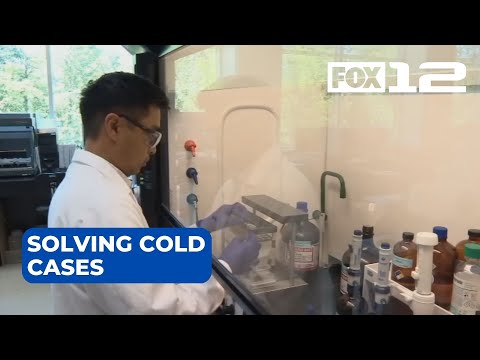
You know that feeling when you’re binge-watching a crime show, and they whip out some fancy tech to solve the mystery? It makes you think, “Wow, that’s so cool!” But guess what? A lot of that stuff is more than just TV magic.
Biomedical forensic science has taken huge leaps forward. Seriously! It plays a major role in cracking cases wide open. Like, remember that time they solved a decades-old mystery just with a tiny bit of DNA? Mind-blowing, right?
These advancements have changed the game for solving crimes. They’re not just flashy tools; they’re saving lives and giving families answers. So, if you’ve ever wondered how science is turning the tables on crime, buckle up. We’re about to take a casual stroll through some pretty amazing breakthroughs!
Exploring 2021 Breakthroughs in Biomedical Forensic Science: Innovations in Crime Scene Investigation and Evidence Analysis
So, let’s talk about some seriously cool stuff that happened in 2021 in the realm of biomedical forensic science. This field is all about using biological science to help solve crimes. Think of it as the intersection where science meets detective work. It’s pretty exciting because these innovations can change how we investigate crime scenes and analyze evidence.
One of the major breakthroughs was in DNA analysis technology. We all know DNA is like a super unique fingerprint for each person, right? Well, researchers developed new methods that allow them to extract DNA from even the tiniest samples. Imagine finding a few cells on a crime scene and being able to identify someone from that! This is huge because it increases the chances of solving cold cases where evidence might have been sitting around for years.
Then there’s the advancement in forensic microbiomes. This might sound way too scientific, but bear with me. Basically, every environment has its own unique community of microorganisms. By studying these microbial communities at a crime scene, investigators can learn things like where a person has been or even how long ago an event took place. It’s like having a tiny spy team on your hands!
You also have to check out the new developments in 3D scanning technology. Crime scenes are chaotic, right? With 3D scanning, professionals can create incredibly detailed digital replicas of the scene. Why does this matter? It means that jurors can actually “walk through” the scene later on during trials, which helps them understand exactly what happened without being there physically.
Another really interesting innovation was in toxicology analysis. Researchers found faster ways to test for drugs and poisons in bodily fluids. This means quicker results for investigations—like if someone was poisoned or overdosed—and it helps ensure justice doesn’t get delayed by waiting for lab results.
I remember reading about a case where they used these advanced methods to solve a murder mystery from years ago. The family had given up hope after years with no leads until this new DNA analysis technique brought fresh evidence to light! Such stories make you realize just how impactful these scientific breakthroughs can truly be on real lives.
- DNA analysis: Tiny samples lead to big breakthroughs.
- Forensic microbiomes: Microorganisms as detectives.
- 3D scanning: Digital replicas for better understanding.
- Toxicology advancements: Faster tests mean quicker justice.
The thing is, all these advancements don’t just make forensic science cooler—they also help bring some closure to families who’ve been waiting for answers forever. So while you might not think twice about what goes into solving a crime, just know there’s an army of scientists working behind the scenes with groundbreaking tools at their disposal!
Your thought process about crime-solving could shift entirely when you realize how much innovation is out there making things happen! Science isn’t just numbers and lab coats; it impacts lives directly every single day.
Advancements in Forensic Techniques: Enhancing Criminal Investigations through Scientific Innovation
It’s pretty wild how far forensic science has come over the years. You know, back in the day, solving crimes was a lot of guesswork and luck. Now, it’s like detectives have superpowers thanks to advancements in forensic techniques.
For starters, DNA analysis has become a game changer. Remember when we used to hear about “blood tests” on TV shows? Well, with modern DNA testing, it’s like having a fingerprint that’s unique to each person. Even tiny samples can provide a full genetic profile! This means that if someone leaves just a drop of blood or even some hair behind, investigators can potentially identify them.
Also, digital forensics is growing bigger every day. Think about how much we rely on our phones and computers! With the right tools and skills, experts can recover deleted files and track online activity that can link suspects to crimes. It’s like piecing together a digital puzzle where every click might tell part of the story.
Then there’s toxicology. Remember stories about poisoned drinks or mysterious deaths? Well, scientists can now detect incredibly small amounts of drugs or poisons in body fluids. It helps figure out what really happened at crime scenes and whether someone was under the influence during an incident.
Another exciting trend is using 3D printing technology. Instead of just sketching out crime scenes or evidence, specialists can create detailed models that help visualize how events unfolded. For instance, imagine reconstructing an accident scene layer by layer so juries can see exactly what went down.
And don’t forget about forensic anthropology. If remains are found, anthropologists can analyze bones to determine things like age and sex—sometimes even identifying potential ancestors! This kind of work connects the past with present cases in ways you wouldn’t believe.
So here’s something interesting I read about: researchers are now using machine learning algorithms to assist in analyzing evidence faster than ever before. Imagine fistfuls of data coming from crime scenes—these algorithms sift through it all to spot patterns or matches that a human eye might miss.
The combination of these advancements is truly enhancing criminal investigations. As techniques improve and new technologies emerge, who knows what future breakthroughs will happen? The field seems more vibrant than ever! You follow me? Exciting times ahead for sure!
Exploring Recent Advancements in Forensic Science: Innovations Shaping Criminal Investigations
Forensic science has really come a long way lately. You know how in crime movies, detectives always seem to have the latest gadgets? Well, in real life, advancements in forensic science are reshaping how we catch criminals and solve cases. It’s like those shows have started to become a reality!
DNA Analysis has been getting a major upgrade. The thing is, when we think of DNA, we usually picture long strands of genetic code that look super complicated. But scientists have figured out ways to analyze tiny amounts of DNA, even from old evidence. This means they can link suspects to crime scenes more effectively than ever before. Seriously, think about the last time you saw someone sneezing! That’s how easily DNA can be collected now.
Digital Forensics is another area buzzing with innovation. As tech becomes more integrated into our lives, it’s crucial for investigators to understand digital trails left behind. Imagine your phone storing every place you’ve been! The police can retrieve data from devices—like texts or location history—to help piece together what happened during a crime. It’s like having a diary that reveals everything but written by someone else.
Then there’s 3D Crime Scene Reconstruction. Ever seen those cool animations in true crime documentaries? Well, cops are using software that allows them to recreate a crime scene digitally. This helps visualize what went down from different angles and perspectives—almost like being an eyewitness without actually being there! It adds depth to investigations because sometimes seeing things from various views changes everything.
Next up is Alternative Light Sources (ALS). This tech is super handy for spotting evidence that the naked eye can’t see. Blood stains or bodily fluids may not be visible under regular light but will glow under specific wavelengths. So imagine a detective walking into a dark room and suddenly illuminating secret clues with just a special flashlight—pretty neat, right?
In addition to these innovations, Biometrics, like fingerprint analysis and facial recognition technologies, are becoming more precise too. These systems can scan large databases in mere seconds! Think about it: a single print or image might lead investigators straight to the suspect’s door without much hassle at all.
Now let’s talk about the emotional side of this field for a moment—it’s not just about catching bad guys; it’s also about giving closure to victims’ families. I remember reading about cases where families finally got justice years later because of these advancements in forensic science. It adds such weight to the work forensic scientists do every day.
So yeah, these advancements not only improve efficiency but also change lives by solving crimes and providing answers where there once were none. With each step forward in this field, we’re getting closer to making sure justice isn’t just an abstract concept but something tangible you can hold onto.
As we continue exploring these innovations shaping criminal investigations today, it’s clear that forensics will always keep evolving—just like technology itself! So next time you hear about cutting-edge techniques capturing criminals on TV or in real life, remember there’s so much happening behind the scenes—and it all matters!
You ever think about all those TV shows where a tiny speck of evidence leads to cracking a huge case? Well, that’s actually happening in real life, thanks to some amazing advancements in biomedical forensic science. It’s kind of mind-blowing when you realize how far we’ve come in linking science to crime-solving.
I remember this one time, I was watching a documentary about a cold case that had stumped detectives for years. Then they used DNA technology and suddenly, bam! They found a match. It was like the clouds parted and the sun shone down on everything. That feeling of closure for the victims’ families? Heart-wrenching but also hopeful. It’s almost like science is giving them back their voices.
So, let’s break it down a bit. Biomedical forensic science involves using biological evidence—like blood, hair, and even bodily fluids—to find out who did what. And it’s not just about catching bad guys; it can also help exonerate innocent people, which is huge! Imagine being wrongly accused and then having this tech come in to clear your name after years of turmoil.
One thing that really stands out is how they’re using advanced DNA profiling now. Back in the day, it was pretty basic; they’d just look at some markers and hope for the best. But look at us now! With techniques like next-generation sequencing (sounds fancy, right?), scientists can analyze tons more genetic data than before—like reading an entire book rather than just a chapter!
And there are other cool tricks up their sleeves too—things like insect analysis or even software that predicts where certain types of crimes might occur based on biological patterns found at scenes. It’s all about piecing together clues from various fields—biology, chemistry, you name it.
Still, it hasn’t been all smooth sailing. There’re ethical dilemmas too—like privacy concerns when collecting DNA samples or biases in databases that can skew results unfairly against certain groups. Those issues need careful thought because no one wants science to make things worse instead of better.
But just thinking about how this field is evolving gives you goosebumps! Each advancement means more accuracy and potentially saving lives by preventing crimes before they even happen or catching criminals sooner rather than later. So yeah, biomedical forensic science isn’t just changing investigations; it’s changing lives—and that’s pretty inspiring if you ask me!