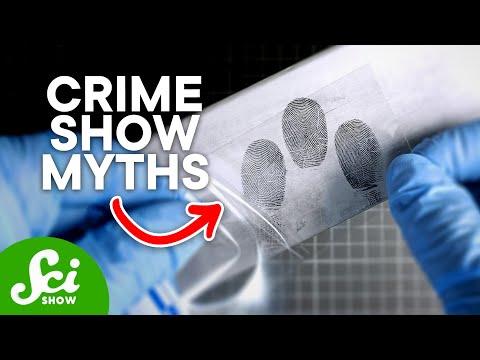
You know how sometimes you’re watching a crime show, and they find a speck of something on a wall and suddenly, boom! They’ve cracked the case? It’s wild, right? But here’s the thing: real life isn’t exactly like that.
Forensic science might not have all the flashy drama of TV, but it’s got some serious magic up its sleeve. Picture this: a fresh crime scene, evidence scattered everywhere. Forensic scientists swoop in like superheroes, using their nerdy skills to piece together what went down.
They look at fingerprints, analyze fibers—heck, they can even sniff out the tiniest bit of DNA! Isn’t that mind-blowing? It’s like being a detective with a magnifying glass—but with way cooler gadgets.
So let’s chat about what forensic science really is and how it shapes the way we solve crimes today. I promise it’ll be more interesting than you think!
The Critical Role of Forensic Science in Criminal Investigations and Justice
Forensic science, huh? It’s like something out of a crime show, right? But the reality is totally different and way cooler. Forensic science plays a critical role in criminal investigations and justice. It’s all about using scientific methods to gather evidence that can nail down the facts in a case.
What exactly is forensic science? Think of it as the intersection of science and law enforcement. It involves a bunch of disciplines, like biology, chemistry, and even physics, to analyze everything from fingerprints to blood samples. This scientific approach helps detectives piece together what happened during a crime.
So why is it so important? Forensic evidence can make or break a case. Let’s say there’s a robbery at your local bank. The police arrive and find a tiny hair on the floor. By analyzing that hair under an electron microscope—seriously cool stuff—they can determine if it belongs to any suspects. This could lead them straight to whoever did it.
Another fascinating part is how forensic scientists use D.N.A.. You know how every person has unique genetic material, right? Well, when they collect samples from a crime scene—like skin cells or blood—they can compare them against D.N.A. profiles stored in databases. If there’s a match, that suspect gets put on the radar! It’s kind of like playing detective but with science.
Then there are ballistics experts. They look at bullet casings found at crime scenes; you could say they’re like puzzle solvers for firearms! By examining details such as striations or markings on bullets, they can figure out which gun was used in the crime. Imagine trying to trace back where that bullet came from—it’s intense!
Also, there’s digital forensics. With so much crime happening online these days—hello identity theft!—experts analyze computers and smartphones for clues. They take apart devices looking for deleted files or messages that could help solve cases. It’s wild how much info we store digitally; just think about your own phone!
One crucial aspect of forensic science is its role in ensuring justice is served correctly. Bad news: sometimes police make mistakes or evidence gets mishandled. Forensic scientists work meticulously to keep things accurate because wrongful convictions are no joke! A single piece of erroneous evidence could lead to an innocent person being locked away for years.
Speaking from experience here: I remember this one documentary I saw about how forensic experts helped free someone after spending decades behind bars due to flawed evidence—a real eye-opener! Cases like these remind us just how vital accurate forensic analysis is.
But there’s also a flip side; not all forensic science is perfect either! In some cases, technology isn’t foolproof and errors can happen during testing or interpretation of results. That’s why continual training for professionals in this field matters; they have to stay sharp!
Finally, it’s worth mentioning the impact forensic science has on public perception. People watch shows where detectives solve crimes in an hour using high-tech gadgets—and while it’s entertaining—it can create unrealistic expectations about solving cases quickly.
In summary, forensic science stands as an essential pillar in modern criminal investigations and justice systems around the world.
- Scientific methods: Using various disciplines ensures evidence collection and analysis.
- D.N.A: Identifying individuals through unique genetic material.
- Ballistics: Tracing firearms based on bullet characteristics.
- Digital forensics: Analyzing electronic devices for clues.
- The importance of accuracy: Avoiding wrongful convictions through precise testing.
So yeah, forensic science isn’t just something you see on TV—it shapes our legal system every day by helping uncover truths lurking beneath the surface!
The Role of Forensic Science in Modern Criminal Justice: Advancements and Impact on Law Enforcement
Forensic science is like the detective work of science, you know? It combines biology, chemistry, and even physics to solve crimes. In a world where crime and justice go hand in hand, forensic science plays a huge role. It’s basically the glue that helps connect evidence to suspects, keeping our criminal justice system running smoother.
Advancements in DNA Analysis have totally transformed how law enforcement approaches investigations. Remember those old crime shows where they talked about matching fingerprints? Well, now we have DNA profiling. It’s super precise and helps identify suspects with remarkable accuracy. If a suspect’s DNA is found at a crime scene, it’s like having their signature on the wall saying, “I was here!”
Crime Scene Investigation (CSI) techniques have also improved over the years. Investigators now use advanced technology to collect evidence without contaminating it. For example, they employ tools like 3D scanning to create exact replicas of scenes. This way, juries can see exactly what happened as if they were there themselves! Imagine jurors walking through a virtual version of the crime scene during trials!
Then there’s ballistics analysis, which investigates firearms and ammunition used in crimes. Ballistic experts can analyze bullets or cartridge casings found at a scene and link them back to specific weapons. It’s amazing how they can trace an entire crime back just by studying these tiny metal pieces!
Toxicology is another area that’s super fascinating (and kinda creepy?). Forensic toxicologists examine body fluids for drugs or poisons to determine if substances played a role in someone’s death or even behavior during a crime. You might not realize this, but just a small amount of certain substances can tell you tons about what happened.
How about digital forensics? Nowadays, most people carry mini-computers in their pockets—yup, our smartphones! Law enforcement folks are now trained in digging through data from devices when investigating crimes. They can recover deleted texts or emails that might be crucial evidence.
Of course, forensic science isn’t always perfect; errors do happen sometimes—like when samples get messed up or misinterpreted—but overall advancements have helped clarify so many cases that were once cold.
It’s wild thinking about how these scientific methods contribute not only to solving crimes but also to ensuring justice for victims and their families. Every time forensic evidence leads police closer to solving an investigation or clearing someone wrongly accused, we see the powerful impact of this field firsthand.
In short (but really not so short!), forensic science gives law enforcement powerful tools for hunting down criminals and proving who did what with more precision than ever before. It keeps evolving too—you never know what cool new technique is just around the corner!
Exploring the Impact of Forensic Science on Criminal Investigations: A Comprehensive PDF Guide
Forensic science has seriously changed the game when it comes to solving crimes. You know that feeling when you watch a detective show and they dive into the evidence? Well, that’s a real thing! Forensic science brings together biology, chemistry, and even physics to help law enforcement figure out what went down.
Here are some of the ways forensic science impacts criminal investigations:
So let me tell you about this wild case I read about: there was this robbery where nothing seemed out of place. The police were stumped! Then they called in forensic scientists who found microscopic fibers from a jacket at the scene – just tiny bits! They matched those fibers to an unusual type of fabric sold only in certain stores nearby. Ba-da-bing! They managed to track down the suspect through that tiny clue.
Despite all these cool tools, forensic science isn’t perfect. You see? Sometimes results can be misinterpreted or contaminated during collection—kind of like how your favorite shirt might get stained if you’re not careful while eating spaghetti.
The importance of training cannot be overstated. Forensic scientists need extensive training in their fields because mistakes can have big consequences on legal cases.
In summary, forensic science serves as a bridge between mystery and truth in criminal investigations. By using various scientific methods, law enforcement can piece together clues that lead them closer to justice. And while it’s not foolproof, its evolution continues to improve how we understand crime and ultimately protect society from wrongdoers!
So, forensic science, right? It’s this super cool blend of science and law enforcement that really changes the way we look at crime. If you think about it, a lot of detective shows and movies have made it seem almost like magic. But, honestly, it’s way more grounded in reality than that.
Picture this: someone’s been wronged, maybe a robbery or worse. The police arrive at the scene, and it looks chaotic but also a bit like a puzzle. That’s where forensic scientists step in. They’re like the detectives of science! They analyze evidence—blood samples, fingerprints, hair fibers—whatever they can find. It’s not just about solving cases; it’s about giving victims and their families answers.
I remember once watching a documentary where they used DNA to solve a cold case from decades ago. A family had been waiting so long for justice, you could almost feel their heartbreak through the screen. When they finally got closure thanks to some diligent forensic work, I felt this weight lift for them. It highlights how crucial forensic science is; it can literally change lives.
You know what’s mind-blowing? Most crimes leave behind small pieces of evidence that we can’t even see with our naked eyes! Forensic scientists have tools that are way beyond what most folks would imagine—like scanning lasers or chemical tests—to uncover clues hidden in plain sight. It’s kind of like being a detective in real life but with lab coats instead of trench coats!
And then there’s something really neat about how all this ties into our understanding of human behavior too. By examining crime scenes and the evidence left behind, forensic experts can sometimes even figure out why a crime happened or what type of person might have committed it.
But while it’s amazing what they do, forensic science isn’t perfect either. Mistakes happen—errors in testing or misinterpretation can lead to wrongful convictions which is just heartbreaking to consider! So with all this advanced tech and methods we’ve got nowdays, there’s still room for improvement.
In short, forensic science is kinda like the unsung hero in the background of crime investigations. It not only helps bring criminals to justice but also plays an essential role in healing communities by making sense of chaos and helping us understand the world around us just a little bit better. How cool is that?