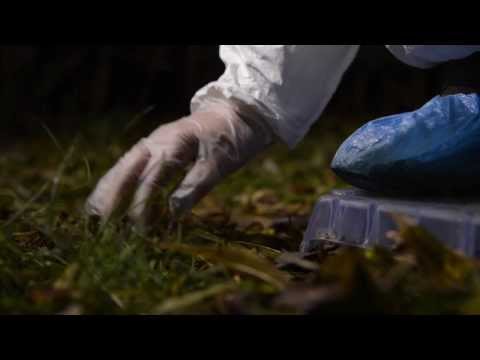
You know that moment in a crime show when the detective holds up a tiny piece of evidence and suddenly everything clicks? It’s like, bam! Case solved. Seriously, it’s wild how a single hair or a speck of dirt can lead to solving mysteries.
I remember this one time, my friend thought he lost his wallet at a coffee shop. He was freaking out! But then he noticed some crumbs on his pants. Turns out, he dropped it at the bakery next door while munching on pastries. Just those crumbs helped him piece together where it could be!
That’s kinda what forensic science does—it helps investigators connect the dots. From fingerprints to DNA, every little clue counts in putting together the bigger picture. So, let’s take a stroll through the basics of forensic science and see how it plays a huge role in cracking cases. You might even feel like a detective yourself!
Understanding the Fundamentals and Significance of Forensic Science: Key Principles Explained
Forensic science, you know, is like the bridge between crime and justice. It’s all about using scientific techniques to help solve crimes. When you hear “forensics,” think of crime scenes, evidence, and maybe even some high-tech gadgets that seem straight out of a movie. But really, it’s much cooler than that!
What is Forensic Science?
At its core, forensic science applies various scientific disciplines to legal matters. This can range from biology and chemistry to physics and even psychology. The goal? Solving mysteries by analyzing physical evidence left behind at a scene.
Key Principles of Forensic Science:
Forensic science operates on several key principles that are crucial for properly analyzing evidence. Here are some of the main ones:
The Importance of Forensic Science:
So why does all this matter? Well, forensic science not only helps catch criminals but also exonerates those wrongfully accused! Imagine being blamed for something you didn’t do—you’d want solid proof proving your innocence.
A story that really drives this home involves a case from decades ago where DNA testing wasn’t available yet. A man sat behind bars for years before modern forensic techniques eventually cleared his name! It shows how critical these scientific practices are.
In essence, forensic science serves as the backbone of modern law enforcement investigations. It combines creatives thinking with hard-core scientific methods to crack cases wide open! And as technology continues to evolve, who knows what other amazing breakthroughs we’ll see coming down the pipeline?
So there you have it—a brief glance into the fascinating world of forensic science! If you’ve ever been curious about how those detective shows mirror real life (or don’t), this field is where reality shakes hands with drama in some pretty awesome ways!
Forensic Science Fundamentals and Investigations: A Comprehensive PDF Guide to Forensic Techniques and Applications
Forensic science is like the ultimate detective tool, combining science and investigation to solve crimes. Think of it as a way to use scientific principles to gather evidence from a crime scene. It’s all about finding the little details that help piece together what happened during an event, you know?
When we talk about forensic techniques, there are several key methods that experts use. Here are a few:
- DNA Analysis: This is one of the most powerful tools in forensic science. By analyzing DNA from blood, hair, or skin found at a crime scene, investigators can identify suspects or victims. It’s crazy how just a tiny drop of blood can tell us so much!
- Fingerprint Examination: Every single person has unique fingerprints. Investigators lift prints from surfaces and analyze them to see if they match any suspects. It’s like having your own personal signature that can’t be forged.
- Ballistics: This involves studying bullets and firearms to link them back to a crime scene. For instance, examining the type of gun used can provide clues about who was involved.
- Toxicology: Sometimes, it’s not about who did it but how they did it—like using poison or drugs. Toxicologists analyze bodily fluids to determine if substances were involved in an individual’s death.
Alright, so let’s get into why these techniques are essential during investigations. They help establish timelines, identify suspects or victims, and confirm or refute alibis. Imagine you’re watching a thriller movie where the detective pieces clues together; that’s what forensic scientists do!
For example, take the case of a robbery where witnesses may not recall every detail accurately. If police find fingerprints on the cash register at the scene and match them to a suspect’s record, it paints a clearer picture than witness statements alone.
But here’s where things get even cooler: forensic science isn’t just about catching criminals; it also helps exonerate innocent people! Consider wrongful convictions where someone got locked up for years based on flawed evidence. With advancements in DNA testing, many have been freed after new evidence pointed elsewhere.
In addition to crime scenes, forensic methods also play roles in civil cases—like proving injury claims in accidents or identifying fraud through digital forensics.
So when you think about forensic science fundamentals and their role in investigations, remember: they bridge gaps between scientific inquiry and legal accountability. The next time you hear about an investigation on TV or read a news story where detectives solve complex cases using these methods—it’s real-life heroes making sure justice prevails!
Understanding Forensic Science: Essential Fundamentals and Their Impact on Criminal Investigations
Forensic science is, like, a super fascinating field. It combines different scientific disciplines to help solve crimes. Seriously, it’s where science meets law enforcement in the most gripping way. Let’s break it down a bit!
What is Forensic Science?
Basically, forensic science refers to the application of various scientific methods to gather and analyze evidence from crime scenes. This includes everything from fingerprints and hair samples to DNA and digital data. It’s really about turning messy situations into clear conclusions.
Key Disciplines
There are several important areas within forensic science that all play unique roles in investigations. Here’s a quick rundown:
- Forensic Biology: This deals with biological evidence—like blood, saliva, or tissues. Imagine a detective finding a drop of blood at a crime scene; they can analyze it for DNA and potentially match it to a suspect.
- Forensic Chemistry: This focuses on substances like drugs or chemicals found at crime scenes. Think about how detectives might examine residues for drug presence—this can lead directly to arresting someone!
- Forensic Toxicology: This involves testing body fluids for toxins or drugs. Like when an autopsy reveals substances that contributed to someone’s death.
- Forensic Anthropology: This specialty assists when human remains are found—like determining the age, gender, and ancestry from bones.
- Digiatal Forensics: Nowadays, digital evidence is huge! Computer files, phone data—you name it! Experts recover information from devices which can be crucial in building a case.
The Process
Often, the process of forensic investigation begins right at the crime scene. Investigators follow strict protocols to preserve evidence carefully because any contamination can lead to flawed conclusions.
Once collected, this evidence heads off to various labs where specialists conduct thorough analyses. It’s here that the real magic happens: scientists use their skills and tools (like microscopes or chemical tests) to uncover vital clues.
The Impact on Criminal Investigations
Now you might be wondering how all this affects criminal investigations in practice? Well, forensic science has dramatically changed the landscape of law enforcement.
Thanks to advances in techniques like DNA profiling, many cold cases have been solved years later! Imagine families getting closure long after losing loved ones—you can’t put a price on that kind of peace.
Also, forensic evidence can exonerate innocent people too! Remember those stories where someone was wrongly convicted? Forensic methods have helped clear names by proving they weren’t at the crime scene.
In essence, without forensic science’s contributions:
- The justice system would struggle even more with accurate identifications.
- A lot of criminals could go undetected or wrongfully accused people would suffer.
So yeah, understanding forensic science isn’t just crucial for detectives; it influences society as a whole by seeking justice and truth. It’s compelling how lab coats can change lives!
You know, forensic science is one of those fascinating areas that really brings together a ton of different disciplines. I mean, it’s like mixing chemistry, biology, and even a bit of psychology all into one scene. It’s pretty wild how these elements come together to solve crimes. Remember that moment in your favorite detective show when they discover a crucial piece of evidence? Well, that’s the magic of forensic science at work.
So basically, forensic science involves collecting and analyzing physical evidence from crime scenes. We’re talking about fingerprints, hair samples, blood spatter patterns—just to name a few. Each tiny detail can tell a big story. Like that time I lost my wallet in the park and retraced my steps with a friend; every little thing I noticed helped jog my memory about where I might have dropped it. That’s kind of how detectives work too—they look for clues that might seem small or insignificant but could lead them right to the answer.
One thing you’ve got to appreciate is how forensic scientists often serve as the silent heroes behind the scenes. Their work isn’t usually front and center like in movies but oh man, it’s just as critical! They analyze evidence meticulously, ensuring everything is accurate so it can hold up in court later on. There’s this incredible sense of responsibility because they’re not just solving puzzles; they’re dealing with real human lives here—people looking for closure after some terrible event.
And let’s not forget about technology! It plays an enormous role nowadays. You’ve got DNA testing which has revolutionized investigations—can you believe how much we’ve advanced? It’s like going from black-and-white TV to full HD overnight! Just think about how many innocent people have been exonerated because researchers could match DNA found at a crime scene with someone else years down the line.
Of course, things can get pretty complex and sometimes messy—like when two pieces of evidence seem to contradict each other or when human error creeps in during collection or analysis. It’s not uncommon for these professionals to face scrutiny or debate over their findings.
In the end, though, what stands out most is the connection between science and justice. Forensic science brings clarity where there might only be confusion or doubt. It’s like shedding light into dark corners where truth often hides. And each time those lab results come back positive—or negative—it has real implications for families affected by crime. It makes you realize how intertwined our lives are with this scientific process to uncover what really happened during tragic events.
So yeah, forensic science isn’t just about solving mysteries; it’s about helping people find answers they desperately seek after something devastating occurs—and that’s just… well, powerful stuff!