You know that feeling when you’re watching a crime show, and the lab tech finds a crucial clue just in the nick of time? It’s like, boom! Case solved. Well, that’s not all TV magic. Real life forensic science lab technicians are the unsung heroes behind those dramatic moments.
Picture this: you’re sitting in a diner late at night, catching up with friends over fries and coffee. Suddenly, someone mentions a true crime podcast that dives into how those forensic whizzes work their magic. You lean in closer, totally hooked.
These folks deal with everything from dusting for fingerprints to analyzing DNA—like a high-tech detective agency but without the capes and superpowers. Honestly, they play a huge part in the whole justice system, turning chaos into clarity with their skills and know-how.
So grab your favorite snack, and let’s chat about what these amazing technicians really do and why they matter so much!
The Crucial Role of Forensic Laboratories in the Criminal Justice System: Bridging Science and Justice
Forensic laboratories play a super crucial role in the criminal justice system. They basically serve as the bridge between science and justice, helping to solve crimes using scientific methods. So let’s break it down a bit.
First off, what’s a forensic lab? Well, it’s a specialized facility where scientists – often called forensic technicians or analysts – analyze physical evidence collected from crime scenes. Think of them as detectives with lab coats! They work on everything from fingerprints to DNA, and even things like ballistics.
Why is this important? Because reliable evidence can make or break a case. Imagine you’re sitting in a courtroom, and suddenly someone presents clear DNA evidence that links a suspect to a crime scene. It shifts everything! Or, let’s say you’re watching one of those crime shows—those labs are the real deal behind solving mysteries.
Now, let’s talk about some key functions these forensic labs perform:
- Dna Analysis: This is probably the most famous part of forensics. When they analyze DNA from blood or hair found at a crime scene, they can match it to potential suspects. It’s like looking for an exact puzzle piece that fits into the bigger picture.
- Toxicology: Forensic toxicologists test bodily fluids for drugs or poisons. If someone dies under suspicious circumstances, figuring out what was in their system can point investigators in the right direction.
- Ballistics: This involves examining firearms and ammunition. If a gun was used in a crime, understanding how it works can help trace back to who fired it.
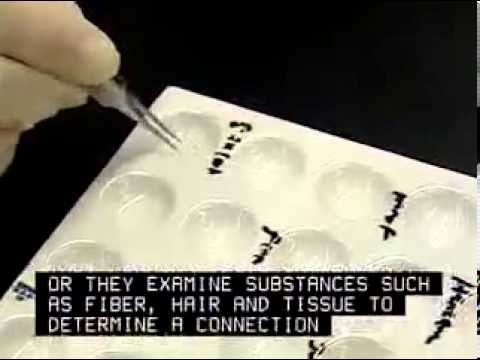
- Trace Evidence Analysis: Tiny bits of material—like fibers or paint—can be incredibly telling. A small fiber from your sweater might end up linking you to someone’s car door.
Here’s where it gets real: imagine you’re close to someone who’s been wrongfully accused of something terrible. The weight of proving their innocence rests on these lab results. If the forensic lab finds no matching DNA or fingerprints at all? That could clear their name right away!
Unfortunately, it’s not always that straightforward. Sometimes evidence can go missing or be contaminated, leading to wrongful convictions or acquittals when guilty people walk free. You see why accurate work in these labs is so essential?
And here’s another thing: forensic science also evolves over time! New technologies are constantly being developed which makes analysis faster and more reliable. For instance, advancements in DNA sequencing techniques allow labs to analyze much smaller samples than before.
In summary, forensic laboratories are vital components of our justice system—they use science not just for solving crimes but also for ensuring fairness in legal proceedings. The techs working there are like unsung heroes fighting on behalf of truth and justice every day!
The Crucial Role of Forensic Scientists in the Justice System: Bridging Science and Law
Forensic scientists are like the unsung heroes in the world of crime-solving. Seriously, they play a crucial role in linking science with the law. When you think of solving crimes, you might picture detectives chasing down leads or lawyers in heated courtroom battles. But without forensic scientists, many cases would hit a dead end.
So, what exactly do these professionals do? Well, they analyze evidence collected from crime scenes to help build a solid case. You know those shows where they say “the evidence will set you free”? That’s pretty much their motto! Here’s how they make it happen:
- Evidence collection and analysis: Forensic scientists work with police to collect everything from fibers to fingerprints at crime scenes. They examine this evidence using techniques that could make your head spin—like DNA analysis or toxicology tests.
- Expert testimony: When the case goes to trial, forensic scientists often take the stand to explain their findings. They break down complicated data into something understandable for everyone in the courtroom.
- Collaboration with law enforcement: They don’t just work alone; these scientists team up with police officers and detectives to piece together what happened during a crime.
Remember that scene in movies where someone says, “We need a forensic expert on this”? That’s because their insights can make or break a case.
Let’s talk about one specific aspect: DNA analysis. It’s probably one of the most powerful tools in forensics today. Imagine a scenario where there’s blood found at a crime scene but no suspects have been identified yet. By extracting DNA from that blood sample and comparing it with databases or known individuals, forensic scientists can potentially pinpoint who was there—like finding a needle in a haystack but way cooler!
It’s not just about solving murders or major crimes, though. Forensic science also plays an essential role in cases like fraud or even civil lawsuits! Take financial forensics, for example; experts analyze documents and digital records to uncover hidden activities.
But there’s more! Think about cold cases—those investigations that seem to stall forever due to lack of leads. Forensic teams can go back and reanalyze old evidence with new technologies that weren’t available years ago. It’s like turning back time and giving hope to families who thought they’d never find answers.
So really, these professionals are more than just lab technicians dabbling around with beakers and microscopes; they’re vital links between science and justice! They help ensure that conclusions drawn from scientific methods uphold the integrity of our legal system.
In essence, forensic scientists bring clarity out of chaos by meticulously piecing together details others might overlook. Their work not only aids law enforcement but also empowers victims’ families seeking justice—even years later!
If you think about it, every time someone walks into court armed with solid forensic evidence, it’s thanks to those who dedicate their careers examining stains on shirts or tiny bits of hair found on victims’ bodies. It’s fascinating how intertwined science and law are—you see?
The Crucial Role of Forensic Scientists in Courtroom Proceedings: Bridging Science and Justice
Forensic scientists are like the unsung heroes of the courtroom. They’re not in the spotlight like you might see on TV shows, but their work is crucial for building a solid case. You know, it’s kind of wild how much science can shape justice, right?
So, here’s the thing: forensic scientists apply various scientific methods to analyze evidence from crime scenes. This evidence goes through a rigorous process before it even reaches the courtroom. Think fingerprints, DNA samples, or even ballistics. Each piece tells a part of the story that can either point to guilt or innocence.
Bridging Science and Justice is not just a catchy phrase; it’s what these specialists do every day. Their findings provide objective data that helps judges and juries make informed decisions. Because let’s face it: emotion can sometimes run high in courtrooms. That’s why having hard facts from forensic science is super important!
Now, let’s break down some key roles of forensic scientists:
- Evidence Collection: They often work with law enforcement to collect physical evidence from crime scenes, ensuring everything is preserved correctly.
- Analysis: In labs, they meticulously analyze samples using techniques like gas chromatography or DNA sequencing. This isn’t just any tech; it’s state-of-the-art science that helps pinpoint answers.
- Testimony: When cases go to trial, these experts often testify about their findings. Their explanations help laypeople (like jurors) understand complex scientific concepts.
- Collaboration: Forensic scientists frequently team up with other professionals—like police officers and legal experts—to ensure all bases are covered.
Consider this: imagine a case where two people are accused of a robbery but claim they were miles away when it happened. Forensic evidence could include CCTV footage or cell phone records that place them at the scene or elsewhere. See how that works?
The human touch in forensic science also counts! It’s not all clinical lab work; there’s intuition and experience involved too. Sometimes an expert might notice something peculiar about a sample that leads to further investigation.
But there’s also a heavy responsibility that comes with this role—they need to maintain integrity in their work because lives may hang in the balance! It can be incredibly stressful knowing that your findings could potentially convict someone or set them free.
At end of the day, forensic scientists play a vital role in weaving together threads of evidence into a coherent narrative for justice to follow. Their expertise reminds us that science and reason should always be part of our judicial process!
You know, when you think about justice, it’s easy to picture judges in robes or cops chasing bad guys. But there’s this whole other side to it—like behind the scenes stuff—that’s super important too. That’s where forensic science lab technicians come into play. These folks are basically the unsung heroes of the justice system.
I remember watching a documentary once about a cold case that took years to solve. They explained how forensic technicians meticulously analyzed tiny bits of evidence from a crime scene—things most people wouldn’t even notice! Like, they can take a single hair or a speck of dust and unravel mysteries that had everyone scratching their heads for ages. It just blew my mind how something so small could hold such weight in court.
These technicians work with all kinds of evidence: DNA, fingerprints, you name it. And every detail matters. Imagine finding that one piece of evidence that connects the dots in a case—it’s like being part detective and part scientist at the same time! But here’s the kicker: they often have to explain their findings in court, turning complex science into something understandable for juries who might not know much about it.
It’s not always glamorous work either; sometimes they’re dealing with gruesome details or working long hours on tight deadlines. I can’t even imagine the pressure they must feel at times! But still, there’s something incredibly fulfilling about helping bring justice to victims and their families.
So yeah, while we often cheer for police officers and lawyers during trials, let’s not forget those lab techs who work tirelessly behind closed doors. They may be out of the spotlight most of the time, but their role is absolutely crucial in piecing together what really happened and ensuring that justice isn’t just an idea—it becomes reality. Pretty powerful stuff, right?