So, picture this: you’re at a party, and someone’s trying to explain how a tiny little zygote becomes, well, you. It sounds impossible, right? Yet, it happens every day!
Now, nestled in this wild journey from a single cell to a fully formed human are these superheroes called gap genes. Yep, you heard that right—superheroes of the development world! They’re like the wizards that make sure everything gets organized just right during those crucial early stages.
I mean, imagine if your favorite video game glitched and the characters were all randomly scattered around the map. What a mess! That’s kind of what happens without gap genes. They help lay down the blueprint for where things go in an embryo.
So let’s take a stoll through the fascinating role of these little guys in shaping life as we know it. You ready? Alright!
Understanding the Role of Gap Genes in Developmental Biology and Gene Regulation
Development is like a well-orchestrated symphony, where every musician plays a vital role to create harmony. One of the key players in this biological concert are the **gap genes**. These are crucial for setting up the basic body plan of an organism, like the instructions for building a Lego set. You know how if you miss a step in those instructions, the whole thing can end up looking wonky? That’s what gap genes help prevent during development.
So, what exactly are gap genes? They’re a group of genes that play roles during the early stages of an embryo’s development. Think of them as the initial architects that lay down essential groundwork for future structures. In a fruit fly, for instance, these genes help specify broad regions of the body—like where the head should be versus where the thorax and abdomen will form.
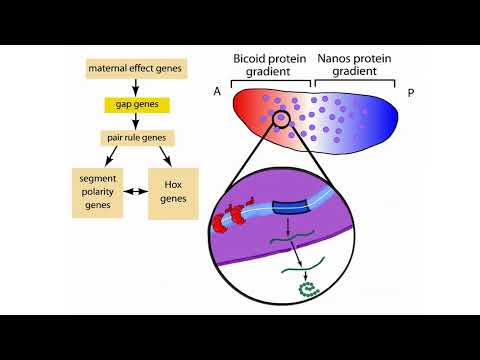
Now, let’s break down how they work. Gap genes are part of larger regulatory networks. They respond to gradients of signaling molecules called **morphogens**. Picture these morphogens like paint being splashed across a canvas. Depending on where you’re standing (or in this case, how much morphogen you’re exposed to), you’ll end up painting different parts—some cells might get “head” signals while others might be told “abdomen.”
- **Establishment of Body Segments:** Gap genes determine which segments will develop into which body part.
- **Interaction with Other Genes:** They communicate with another class of genes known as **pair-rule genes**, which further refine body segmentation.
- **Expression Patterns:** Their expression is tightly controlled; too much or too little can result in developmental malformations.
A famous example is with *Drosophila* (the fruit fly). Here, scientists discovered that mutations in gap genes could lead to embryos missing entire segments! Imagine an insect without its middle section—super unsettling!
But there’s more to this story! Gap genes also play roles beyond just shaping bodies; they help regulate each other and even influence other types of developmental processes through feedback loops. Essentially, they’re part of a larger network that ensures your body develops correctly from these embryonic beginnings.
To bring it back home: envision yourself working on a group project where everyone has specific parts but must coordinate closely to avoid confusion. If one person doesn’t do their part right or misses out on communication, it could lead to chaos—and that chaos can be seen directly in malformed organisms caused by faulty gap gene expression.
So next time you think about development at its most fundamental level, remember those gap genes doing their important job! It’s one wild ride from just a single cell to a fully formed organism—all thanks to these tiny but mighty coordinators making sure everything flows smoothly.
Understanding the Role of Differential Gene Expression in Developmental Biology
Development is a fascinating journey, isn’t it? It all starts with a single fertilized egg, and from there, it transforms into a complex organism. So, how does that happen? Well, one major player in this whole process is something called **differential gene expression**. This fancy term basically means that not all genes are active at the same time or to the same degree. Instead, different cells switch on or off specific genes based on what they need to do.
Now, let’s get into the nitty-gritty of developmental biology:
- What are Gap Genes? These are special genes that act like the first blueprints in development. They help organize the body plan during an embryo’s early stages. Imagine them as the initial lines drawn on a sketch before adding details.
- Spatial Patterns: Gap genes create distinct regions in the embryo by turning certain segments “on” while keeping others “off.” For example, if you think about a caterpillar turning into a butterfly, gap genes decide where parts like wings or legs will form.
- The Role of Signals: Cells communicate through signals to decide which gap genes should be activated or silenced. It’s kind of like how friends might decide where to go for dinner—everyone has their say based on preferences and availability!
- Feedback Loops: The system isn’t one-way only! Once some gap genes are expressed, they can also influence other genes later in development. It’s this back and forth that helps refine where organs will go.
- Diversity of Life: Interestingly, differences in gene expression among similar organisms can lead to fascinating outcomes! Think about how fruit flies and humans share many similar genes but develop very differently—thanks to differential gene expression.
Alright, so what happens if things go wrong? Ya know, when these gap genes don’t function properly? You could end up with major mess-ups! For instance, mutations in these critical regulatory elements can lead to deformities or even lethality in embryos.
This concept reminds me of when I tried baking a cake without following the recipe properly (I think we’ve all been there). I accidentally added salt instead of sugar—yikes! The end result was nothing like I expected. Just like my cake disaster, mistakes in gene expression can lead to unexpected outcomes in organisms.
In short, understanding differential gene expression and the role of gap genes gives us insights into how life forms and develops from such simple beginnings into something incredible. By studying these processes further, scientists hope to unlock even more secrets about development itself—and who knows what discoveries might come next!
Exploring the Role of Gap Genes in Drosophila Embryonic Segmentation: Insights from Developmental Biology
Gap genes are super interesting players in the world of developmental biology, especially when it comes to how embryos develop into organized organisms. So, let’s talk about these little gems in more detail, particularly focusing on their role in Drosophila, which is just a fancy name for fruit flies. Yep, those tiny critters you might find buzzing around your kitchen are key to understanding some big concepts in biology.
First off, gap genes are crucial because they help define the overall body plan of an embryo. Imagine if you’re trying to put together a puzzle with missing pieces—it would be pretty chaotic! Well, without these genes, the segments that eventually form parts of the fly’s body wouldn’t develop correctly.
Now, gap genes act as early coordinators during embryo development. They’re part of a larger group called segmentation genes, which essentially lay down the groundwork for creating organized segments along the body axis. Think of segments like chapters in a book; each chapter has its own story but contributes to a whole narrative.
When we talk about Drosophila, three key gap genes come into play: knirps, hunchback, and giant. Here’s what happens:
- Knirps: It helps determine posterior (or back-end) structures.
- Hunchback: This one is more about anterior (or front-end) features and is activated by another molecule called bicoid. It’s like the first step on building your Lego set!
- Giant: Sometimes acts like a stop sign for other gene activations—very important for defining where things should or shouldn’t grow.
What’s really cool is how these different gap genes communicate with each other. They form gradients—imagine painting a landscape where certain colors fade into others—that dictate where proteins will be more or less concentrated in the embryo. This gradient effect is key because it shapes how cells respond to different signals based on their location.
And guess what? The disruption of any one of these gap genes can lead to some seriously funky outcomes! Flies might end up missing segments or have extra ones—like having two heads! That gives researchers crucial insights into how body organization works—not just in fruit flies but across many organisms.
You know what really gets me? These findings aren’t just for fruit flies either; they flip our understanding of segmentation across many animals, including us humans! It’s wild how studying these little bugs can unravel secrets about complex biological processes.
In conclusion—which I try not to make it sound too formal here—the role of gap genes in Drosophila embryonic segmentation reveals fundamental principles about development that extend far beyond this tiny creature. So next time you swat that fly away, remember there’s so much happening beneath that tiny surface—like an entire world built piece by piece!
Alright, so let’s talk about these tiny but mighty gap genes. You might not think they’re all that exciting at first glance, but trust me, they play a pretty crucial role in how we develop from zygotes into the beautiful complex beings we are today.
So picture this: when you were just a single fertilized egg, you were basically a blank canvas. But then things got real; your cells started to divide and differentiate—sort of like how ingredients in a kitchen all come together to create something delicious. And right there in the mix were those gap genes, making sure that everything was going according to plan.
Now here’s where it gets interesting. These genes help set up the major body segments during early development. Think of them as the directors of a play, telling cells where to go and what to become. If things go awry with these genes—like if they don’t express correctly—you can end up with some serious misalignments in your body structure. Imagine if your arms started growing where your legs should be! Yikes.
I remember reading about a study where researchers looked at fruit flies—a classic model organism for genetics research—and they found that if any gap gene was mutated, it could lead to incomplete or missing body segments. That’s like trying to build half a house and expecting it to stand firm! It really hit home just how essential these little guys are for proper development.
Gap genes work alongside other types of genes too, like pair-rule and segment-polarity genes. It’s kind of like watching an orchestra; each part has its role but together they create something beautiful—or sometimes chaotic if someone misses their cue!
And what’s super cool? The principles behind gap genes aren’t limited to fruit flies; they’ve got parallels in other species too, including us! Our understanding of these processes helps scientists explore developmental disorders or even cancer biology later on.
So next time you marvel at nature’s diversity or even just glance at your own reflection, take a moment and appreciate those unsung heroes lurking in our DNA—the gap genes that literally shape who we are from our very beginnings. They remind us that even the smallest players can have massive impacts on the stage of life!