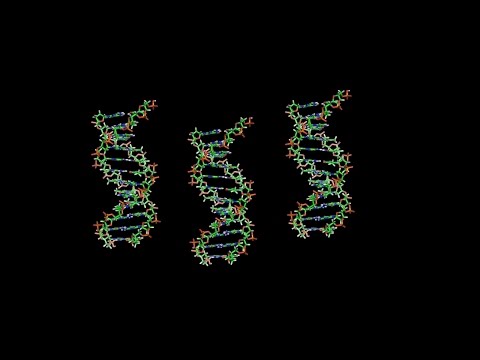
Alright, picture this: you’re sitting in class, and the teacher drops that bombshell – DNA is like a recipe book. I mean, who knew our genes were just fancy instructions for building, like, everything in us?
So here’s the deal: every single one of us has this microscopic code running the show. It’s like magic! You’ve got these tiny molecules chumming together to create all the cool stuff that makes you… well, you.
But hey, it’s not just about being tall or having curly hair. Genes do a ton of heavy lifting behind the scenes. They help with how we react to stuff around us—like why some people adore broccoli while others would rather eat dirt.
Curious enough yet? Let’s break down this whole molecular biology thing together! Seriously, it’s more interesting than you think!
Exploring Gene Expression in Humans: Key Examples and Insights from Molecular Biology
Sure! Let’s talk about gene expression in humans. It’s super cool and kind of like the blueprint of life. You see, our genes, which are made up of DNA, hold all the instructions needed to build and operate our bodies. But it’s not as straightforward as just having a recipe; it’s about how these recipes are used, or expressed.
What is Gene Expression? Essentially, it’s the process where information from a gene is used to make a functional product, usually a protein. Proteins are like the workers in the cell – they do all kinds of jobs like building structures, speeding up chemical reactions, and responding to signals. So when we say “gene expression,” we’re talking about how your body decides which proteins to make at any given time.
You know those fancy proteins? Yeah, they don’t just pop into existence out of nowhere! The process starts with transcription, where a specific part of DNA is copied into messenger RNA (mRNA). Then comes translation, where that mRNA is read by ribosomes (tiny factories inside cells) to create proteins. It’s kind of like taking a cookbook recipe (the DNA), making notes (the mRNA), and then cooking it all up (the protein).
Moreover, it’s fascinating how gene expression can vary from one cell type to another or even at different times in your life! For example:
- Muscle Cells vs. Neurons: Muscle cells express genes that help them contract and support movement while neurons express entirely different sets of genes that allow them to send signals.
- Response to Environment: If you exercise, your muscle cells will start expressing different genes that help them develop and repair themselves.
But check this out: gene expression can also be regulated by various factors including environmental signals or even stress! Imagine you’re at school or work and things get really intense – your body might start expressing certain stress-responsive genes that can help you cope better.
And here’s where it gets even cooler: sometimes changes in gene expression can lead to diseases. Take cancer for instance—it often happens when there are mutations in genes that control cell growth and division. These mutations can cause certain genes to be expressed too much or not enough.
A classic example is the P53 gene. This gene acts like a protector; it tells cells when they shouldn’t divide anymore—kind of keeping things in check. But if this gene mutates? Well, then you might end up with runaway cell growth, leading to tumors.
So as you see, understanding gene expression isn’t just about science for science’s sake—it’s connected to real-life health issues too! It allows researchers to explore treatments targeting specific pathways affected by dysfunctional gene expression.
In short, exploring gene expression gives us insights into not only how our body functions but also opens doors for new therapies against various diseases. It’s all about decoding nature’s complex language so we can tackle some serious health challenges down the road!
Comprehensive Gene Function Database: Enhancing Genomic Research and Analysis in Modern Science
So, you know how our bodies are like this super complex machine? Well, at the heart of it all are genes. They’re basically the instruction manuals for everything that happens in our cells. Understanding what each gene does is like figuring out every button on a fancy remote control—each one has its own role, and not knowing can lead to some serious confusion.
A **comprehensive gene function database** is like a giant library filled with all the information on these genes. Researchers use it to look up what specific genes do, how they interact with each other, and their impact on health and diseases. Isn’t that neat?
Think of it as a massive encyclopedia online that scientists can access anytime. They can search for a gene’s role in certain traits or diseases—like how some people might be more prone to diabetes because of specific genetic variations. This kind of info can help tailor treatments that fit individuals better.
- Enhancing Research: With this database, researchers don’t have to start from scratch when studying new genes. They can build on existing knowledge, which speeds things up—kind of like using cheat codes in a video game!
- Data Integration: These databases pull info from different sources, merging it into one spot where everything’s easy to find. Imagine digging through scattered papers versus having everything neatly organized in one binder—that’s the difference.
- Community Contribution: Often, scientists contribute their findings back into the database! It’s collaborative, so everyone benefits from shared discoveries.
- Future Implications: The data not only helps current research but also set the stage for future breakthroughs. Who knows? Maybe today’s findings could lead to cures for diseases we’ve yet to tackle.
A couple of years ago, I talked with a friend who was dealing with a rare genetic disorder in their family. It was heartbreaking seeing them struggle to get answers and how every little bit of information mattered. When comprehensive gene function databases became popular among researchers, stories like theirs started changing for the better as medical professionals began understanding genetic conditions more deeply.
The thing is, using these databases means more precise medicine down the line. Imagine being able to predict which treatments work best based on someone’s unique genetic makeup! That could change lives dramatically.
So next time you hear about genomic research or databases full of gene functions, think about those remote control buttons again—they’re essential pieces that help unravel life’s mysteries at a molecular level. And honestly? That’s pretty amazing!
Comprehensive Guide to Gene Expression Analysis Methods in Molecular Biology
Well, gene expression is kind of the star of the show in molecular biology. It’s all about how our genes turn into proteins that carry out functions in our cells. So, when we start talking about gene expression analysis methods, we’re really diving into some cool ways to figure out what’s going on with these genes.
So, first off, let’s get into what gene expression actually means. Basically, your DNA holds the instructions for making proteins. But those instructions need to be read and translated into something useful. That’s where gene expression comes in. It’s like turning a recipe into a delicious dish, you know?
Now, there are a bunch of methods that scientists use to analyze gene expression. Let’s break down some of the most common ones:
- RT-PCR (Reverse Transcription Polymerase Chain Reaction): This method is super popular because it helps you see how much of a specific RNA molecule is there. You grab your RNA from cells and convert it back into DNA (reverse transcription). Then you amplify that DNA so you can measure it! Think of it as cranking up the volume on your favorite song to really hear it.
- Microarrays: Picture a tiny slide covered in lots of little spots, each representing different genes. You label the RNA from your sample with a fluorescent dye and stick it on this slide. The cool part? If any genes are actively being expressed, they’ll light up! It’s like a cosmic disco party for your genes.
- RNA-Seq: This is one of the newer kids on the block but super powerful! Instead of just checking how many times a certain gene lights up like in microarrays, this technique sequences all of the RNA present in your sample. It gives you an entire playlist instead of just one hit song!
- qPCR (Quantitative PCR): Similar to RT-PCR but more precise! You can measure exactly how much RNA you’re starting with by using specific fluorescent dyes that illuminate as the reaction progresses. It’s like having a scale that tells you exactly how heavy every ingredient is when baking.
- In situ hybridization: This one’s kind of neat because it lets you see where specific RNAs are located within cells or tissues! Scientists use labeled probes that bind to RNA molecules so they can visualize them under a microscope—like finding Waldo but with cells!
It’s really interesting because each method has its strengths and weaknesses, depending on what you’re trying to find out. For instance, if you want broad data on many genes at once, **RNA-Seq** might be your go-to method since it captures everything happening in one go.
But here’s where things get emotional for me—think about what all this means! Gene expression analysis can help researchers understand diseases better or identify why certain treatments work for some people and not others. I once read about how scientists were able to pinpoint why some cancer patients responded well to specific therapies based on their gene expressions—it brought goosebumps when I realized their work could save lives!
So yeah, understanding gene expression gives us insights into health and disease at such an intricate level—like peeling back layers of an onion until you reach its core! And while these techniques might sound complex at first glance, they help unravel the beautiful mess that makes us who we are at a molecular level.
In short, gene expression analysis methods open doors for incredible discoveries about biology and medicine every day!
Genes are like the instruction manuals for building and running everything in our bodies. Seriously, just think about it for a moment. Your entire being—from the way you look to how your body functions—is influenced by these tiny segments of DNA. It’s mind-blowing, right?
So here’s a fun little story: once, I was helping my little cousin with a school project about plants. We ended up dissecting a flower to see how it works. As we pulled apart the petals and examined the seeds, I realized genes are kind of like those seeds. They hold potential, waiting for the right conditions to burst forth into something amazing—like a beautiful blossom or even a tall tree!
Molecular biology dives deep into this whole gene business—how they’re structured and what they do. At the core, genes are made up of DNA, which is composed of nucleotides (those are just fancy building blocks). These nucleotides form sequences that provide the instructions for making proteins, which do most of the work in our cells.
But here’s the kicker: genes don’t just sit there quietly waiting for someone to read them; they interact with their environment too! Like when you feel cold and shiver—it’s all thanks to some clever genes telling your body how to react. Or think about when you’re sick and your immune system kicks in; guess what? Your genes are also behind that action!
Of course, this isn’t all sunshine and rainbows. Mutations can happen—sometimes good, sometimes not so much—and that can lead to all sorts of health issues or changes in traits. Picture a recipe gone wrong—you might end up with something totally unexpected at dinner.
So, yeah, while we might be millions of years away from fully understanding every twist and turn in our genetic makeup (and it can feel overwhelming), there’s something oddly beautiful about how these molecular components organize themselves into life as we know it. Unraveling this complex web helps us learn more about biology itself and even stuff like evolution or diseases.
Every time I ponder on this topic, I can’t help but marvel at how interconnected everything is—from your everyday experiences to your unique genetic code whispering its secrets deep inside you! That’s what makes molecular biology such an exciting field. It reveals layers upon layers of life that often go unnoticed but ultimately shape who we are—how cool is that?