You know that feeling when you accidentally mix up your laundry and end up with a pastel pink shirt instead of your usual whites? Well, genetic selection is kind of like that. Except instead of clothes, we’re talking about organisms—like crops, animals, and even humans.
Funny to think about how science has gotten so good at picking and choosing traits. Right? Imagine being able to select the best version of something right from the get-go! It’s like going to a buffet, but instead of food, you get to design what you want in a living being.
But it’s not all fun and games; this stuff gets serious fast. There are big ethical questions swirling around just how far we should go with it all. From agriculture feeding the world to healthcare decisions affecting families—these advancements impact everyone in society in ways we might not even realize yet.
So, grab your favorite snack and let’s talk about this wild ride into the world of genetic selection! It’s fascinating and a bit mind-blowing at the same time.
Exploring Genetic Advancements: Breakthroughs Shaping the Future of Science
Genetics is like the blueprint for life, right? It’s this intricate code that tells our bodies how to grow, function, and even adapt. Recently, we’ve seen some pretty amazing advancements in this field that could change everything. Seriously! Let’s talk about some of these breakthroughs shaping science and society.
One of the coolest things happening now is **Gene Editing**. You’ve probably heard of CRISPR—it’s a tool that allows scientists to make precise changes to DNA. Imagine being able to cut out a faulty gene and replace it with a healthy one. It’s like fixing typos in a book! This technique has already shown promise in treating genetic disorders like sickle cell anemia and even certain types of cancer.
Another breakthrough is **Genetic Selection** in agriculture. Farmers are using genetic tech to create crops that are more resistant to pests or can withstand harsh weather conditions. This means we can grow more food with fewer resources! For example, scientists recently developed a strain of rice that can thrive in salty conditions, which is super important as sea levels rise and affect farmland.
Then there’s the exciting world of **Personalized Medicine**. Instead of a one-size-fits-all approach, doctors can now tailor treatments based on a person’s genetic makeup. This means you get medication that’s specifically designed for you—how cool is that? For instance, certain cancer treatments are now chosen based on the specific mutations present in an individual’s tumor.
Ethics also plays a huge role here. With great power comes great responsibility, right? As we venture into this new genetic frontier, we have to think about the implications. What happens if we start selecting traits not just for health but also for things like intelligence or physical appearance? It raises big questions about fairness and what it means to be human.
In education, kids are learning about genetics way earlier than before. Some schools have started incorporating genetics into their science curriculums using interactive projects—like breeding plants with different traits! This hands-on approach helps them grasp these complex ideas better.
Finally, let’s not forget how all these advancements tie back into society as a whole. They could lead to major changes in healthcare access and food security globally. Imagine if countries could produce enough healthy food for everyone or treat diseases that were once considered incurable!
So yeah, genetic advancements are paving the way for an exciting future full of possibilities—just remember that with every breakthrough comes the need for thoughtful conversations about ethics and responsibility!
Exploring the Latest Advancements in Gene Editing: Innovations Shaping the Future of Science
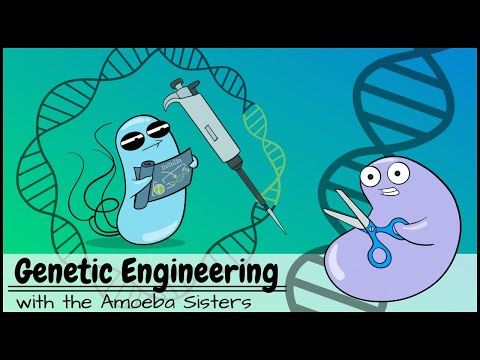
Gene editing has come a long way since the early days of science. These advancements are redefining what we know about genetics, and they’re shaping the future in some pretty wild ways. You might have heard of CRISPR, right? It’s like a pair of molecular scissors that can cut DNA and edit genes with amazing precision. Seriously cool stuff!
So, what does this mean for us? Well, gene editing is paving the way for innovations in medicine, agriculture, and even environmental science! Let’s break this down a little.
- Medical Applications: Imagine being able to correct genetic disorders before they even manifest. Think about cystic fibrosis or sickle cell anemia—conditions that have long been difficult to treat or cure. Researchers are working on techniques to edit genes in patients’ cells. It’s still in the early stages, but promising trials show potential!
- Agriculture Impacts: Gene editing isn’t just for humans; it’s making waves in farming too. Farmers are using it to create crops that can withstand droughts or pests without needing heavy chemical inputs. For example, scientists have developed rice varieties that can thrive in salty soils thanks to gene editing. That could be a game-changer for food security.
- Climate Change Solutions: You know how climate change is affecting everything? Well, gene editing may help there too! Some researchers are modifying plants to absorb more carbon dioxide from the atmosphere or become more resilient against harsh weather conditions.
And hey, you know what’s emotionally touching? There are stories of families suffering from genetic diseases seeing hope through these new technologies. Imagine a parent discovering that their child could live a healthier life because of gene therapies—talk about giving people a reason to smile!
But with great power comes great responsibility (yeah, yeah, I know that’s cheesy). There are ethical concerns surrounding gene editing too. Questions arise about “designer babies,” where parents might want to choose traits for their children—like eye color or intelligence. That opens up debates about what kinds of modifications should be allowed.
So basically, while gene editing holds incredible promise for advancements in health and agriculture among other fields, we need to tread carefully as we explore these innovations. This is not just science for the sake of science; it’s deeply human stuff that could change lives forever.
In summary:
- The future looks bright: Innovations like CRISPR can revolutionize medicine.
- Agricultural advancements: Farmers can grow healthier crops with less impact on the environment.
- Caring for our planet: It may help mitigate climate change effects.
Isn’t it amazing how far we’ve come? And who knows what other surprises await us on this adventurous path through genetics!
Recent Breakthroughs in Genetic Engineering: Key Advances by Scientists in the Field
So, genetic engineering, huh? It’s like the coolest science out there right now. Scientists are making some big moves, and it’s worth chatting about. Basically, this field is all about tweaking the DNA of living things to improve them or give them new traits. Think of it as a software update for biology.
One of the big deals these days is **CRISPR-Cas9**. You might have heard about it—it feels like a game-changer. Imagine having a pair of scissors that can cut DNA at specific spots, allowing scientists to remove or replace genes pretty easily. It’s like editing a Word document but with genes instead! This tool has allowed researchers to fix genetic diseases in various organisms.
There’s also been huge progress in **gene therapy**. This involves inserting healthy genes into a person’s cells to replace faulty ones. For instance, scientists are using this technique to treat conditions like cystic fibrosis and some types of blindness. They’re actually getting results, which is so inspiring!
And we can’t forget about **genetic selection** in agriculture—this one hits home for many people. Researchers have been developing crops that can resist pests or tolerate drought better than traditional ones. They’re using genetic engineering to help feed growing populations while minimizing environmental impact.
Now let’s talk about some ethical questions that pop up with all these advances. There’s a lot of debate over whether we should mess with nature this way. On one hand, it could help solve serious issues like food shortages or diseases; on the other hand, there are concerns about potential long-term effects and biodiversity loss.
Here are some key points to keep in mind:
- CRISPR-Cas9: A precise method for editing genes.
- Gene Therapy: Replacing faulty genes with healthy ones.
- Agricultural Advancements: Developing crops resistant to disease and environmental stresses.
- Ethical Considerations: Balancing innovation with sustainability concerns.
With each breakthrough comes excitement but also responsibility. You know how it goes—science can lead us into uncharted territory, and we need to tread carefully while making sure everyone benefits from these advancements!
You know, genetic selection is one of those topics that gets people all riled up. I mean, it’s like the plot of a sci-fi movie but happening right now! Picture this: a scientist in a lab, carefully tweaking genes to create stronger crops or maybe even trying to eliminate genetic disorders in humans. It sounds like something out of a futuristic novel, and yet here we are.
A while back, I went to a community event where they discussed genetic advancements. There was this older gentleman there who shared his story about how he lost his brother to a genetic condition that ran in their family. It really hit home for everyone. He talked about how he wished they had the options we do today to potentially avoid such tragedies. It made me think—these advances can seriously change lives.
So, what’s actually going on with genetics? Well, it’s not as simple as just picking ‘good’ genes and tossing out the ‘bad’ ones. Scientists are using techniques like CRISPR to edit genes in ways that could help prevent diseases or even improve crop yields—essentially making them more resilient against pests or climate changes. This has big implications for food security and health!
But there’s also this nagging feeling when you think about it too much. Like, where do we draw the line? Is it ethical to mess with human DNA? And what if only certain people can access these technologies? It could create an even wider gap between those who have resources and those who don’t.
And then there’s the whole idea of “designer babies.” You know, parents picking traits for their kids like eye color or intelligence. Seriously, how would that work out? Wouldn’t it put ridiculous pressure on kids? Life is full of quirks—something we shouldn’t try to engineer out completely.
Also, societal implications are huge! If certain traits are deemed ‘preferable,’ what happens to diversity? Our differences are what makes us unique and interesting. Imagine a world where everyone starts looking or thinking the same way! Yikes!
At the end of the day, it’s pretty clear that genetic selection is here to stay and will keep evolving along with us. We just need to navigate these waters carefully because they’re uncharted territory for many of us. So as much as I’m fascinated by all these advancements, I can’t help but wonder if we’re ready for all this power—and responsibility—that comes with it. What do you think?