Did you know that if you unraveled all the DNA in your body, it would stretch about 10 billion miles? That’s like going to Pluto and back! Crazy, right?
So, here’s the thing: genetics can sound super complicated. But honestly, it doesn’t have to be. We’re talking about the stuff that makes you… well, you! Your hair color, eye color, and even some quirks that make you uniquely interesting.
And let’s be real; sometimes those fancy terms just fly over our heads. Like, who can keep track of genes versus alleles without getting a headache? Seriously! So, if you’re curious about the basics of genetics but don’t want to feel like you’re in some science lecture, you’re in the right spot.
We’re going to break down a few key terms together. Simple stuff that won’t put you to sleep. Think of it as chatting with a friend over coffee—no jargon or stuffy language here! Just good ol’ genetic fun!
Exploring the Top 10 Essential Terms in Genetics: A Comprehensive Guide for Science Enthusiasts
So, genetics is super cool, right? I mean, it basically explains why you might have your dad’s curly hair or your mom’s bright blue eyes. But to get the hang of it, you gotta know some key terms. Here’s a little rundown of the top ten essential terms in genetics that every science enthusiast should know!
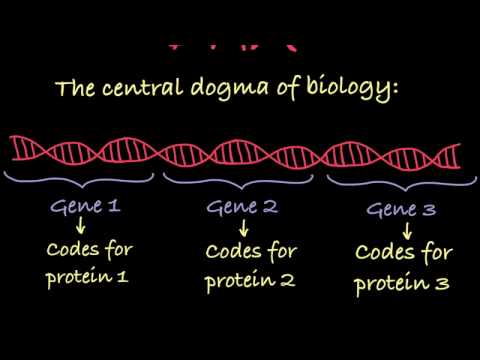
1. Gene: Think of genes as the instruction manuals for making proteins. These proteins do most of the work in our bodies—like building up tissues and regulating processes. You inherit them from your parents, which is why some traits run in families.
2. Allele: An allele is like a version of a gene. For example, you might have a gene for eye color, but there’s different alleles for blue or brown eyes. You’ve got two alleles for each gene, one from each parent.
3. Genotype: This term refers to the actual genetic makeup of an organism—basically what genes and alleles they have. So if someone has one blue eye allele and one brown eye allele, their genotype would be written as Bb (where B is brown and b is blue).
4. Phenotype: Now, this one’s all about how those genes express themselves—like what you actually see! If that person with the Bb genotype has brown eyes, then their phenotype is brown eyes.
5. Homozygous vs Heterozygous: These terms describe how many identical or different alleles you’ve got for a particular gene. If both alleles are the same (like BB or bb), you’re homozygous; if they’re different (like Bb), you’re heterozygous.
6. Dominant and Recessive: Some traits are dominant, meaning that just one copy of an allele can show up in the phenotype (like having brown eyes). Recessive traits need two copies to show up (so you’d need to be bb to have blue eyes).
7. Mutation: A mutation is like a typo in your DNA code—it can change how a gene works! Some mutations don’t do much at all; others can lead to diseases or changes in physical traits.
8. Chromosome: Picture these as tightly packed bundles of DNA where all your genes live! Humans typically have 46 chromosomes arranged in 23 pairs—one from each parent.
9. Genetic Variation: This term describes how individuals differ genetically within a species—it’s what makes humans unique! Genetic variation helps populations adapt over time to changing environments.
10. Genetic Engineering: Now we’re talking about modifying an organism’s DNA intentionally! It sounds sci-fi but involves techniques like CRISPR that can help correct genetic disorders or enhance certain traits in plants and animals.
It’s pretty amazing how all these terms connect together to explain life itself! Just think about it: every time you look in the mirror or meet someone new; you’re seeing genes at work doing their thing. Keep exploring these concepts because they’ll let you understand not just yourself but also what makes all living things tick!
Top 15 Essential Genetic Terms Every Science Enthusiast Should Know
Sure thing! Here’s a little rundown of some essential genetic terms that you might find helpful as you dive into the world of genetics. I’ll keep it simple and relatable, because, honestly, genetics can feel like a whole other language sometimes.
Gene: This is like the basic unit of heredity. Think of it as a tiny instruction manual for your body. Genes tell your cells how to make proteins, which are crucial for all sorts of functions.
DNA: Stands for deoxyribonucleic acid, and it’s like the blueprint of life. Imagine it as a long string of letters (A, T, C, G) that spell out the instructions on how to build and maintain living things.
Chromosome: These are structures in your cells that hold DNA. Humans have 23 pairs of chromosomes. So that’s 46 total! They kinda look like X’s under a microscope when they’re ready to divide.
Allele: This refers to different versions of a gene. For instance, you might have one allele for brown eyes and another for blue eyes. Your alleles help determine your traits.
Genotype: This is all about your genetic makeup—the specific combination of alleles you have. It’s what makes you unique on a molecular level!
Phenotype: Now this term describes how those genes actually express themselves in real life—like your eye color or height. Basically, it’s the visible traits resulting from your genotype.
Homozygous: When both alleles in a pair are identical (like two blue eye alleles), you’re homozygous for that gene. It’s like having matching socks—just feels right!
Heterozygous: Opposite of homozygous! If you have two different alleles (one brown eye allele and one blue), then you’re heterozygous. Think about mixing flavors; variety can be fun!
DNA Replication:This is when DNA makes copies of itself before cell division happens. It’s crucial so that every new cell has its own set of instructions—like making sure every chef gets the same recipe!
Mitosis:This process divides one cell into two identical daughter cells. It’s how we grow and replace damaged cells! You could say it’s nature’s way of hitting “copy and paste.”
Meiosis: This is another type of cell division but specifically for creating sperm and egg cells. It reduces chromosome numbers by half so offspring inherit half from each parent—kinda neat if you ask me!
Mendelian Inheritance:This concept comes from Gregor Mendel’s pea plants experiments way back when. He discovered that traits are passed down through generations according to specific ratios—that means predictable patterns!
Mutation:This refers to changes in our DNA sequence—think typos in our instruction manual! Some mutations can be harmless; others might lead to diseases or changes in traits.
Karyotype:This is basically a picture or map showing all the chromosomes in an individual’s cells arranged by size and number! Geneticists use this to identify chromosomal abnormalities.
Now that we’ve broken down some key terms, it might feel less overwhelming when you hear them tossed around at science fairs or read about them online! Genetics is truly fascinating—the way it shapes us just blows my mind sometimes. And if you’re ever unsure about something? Just ask—it gets easier with each little nugget you’ll uncover along the way!
Essential Genetics Terminology: Key Terms Every Science Enthusiast Should Know
So, let’s talk about genetics, shall we? You know, that fascinating field that explains how traits are passed down from one generation to the next? It can get super technical, but don’t sweat it. I’m here to break down some essential terms that every science enthusiast should know. Let’s roll!
Genes are like the instruction manuals for your body. They tell your cells how to make proteins, which do all sorts of important jobs. Basically, if you think of a cell as a factory, genes are the blueprints used to create everything it needs.
Then we have DNA, which stands for deoxyribonucleic acid—yeah, it sounds fancy! But in simple terms, it’s the molecule that holds those genetic instructions. Think of DNA as a long string of beads; those beads are the nucleotides that come together to form genes.
Now let’s talk about alleles. These are different versions of a gene. For example, you might have a gene for eye color with an allele for brown eyes and another for blue eyes. The combination of these alleles you inherit from your parents helps determine your eye color.
And then there’s genotype. This refers to the actual genetic makeup of an individual—the specific alleles they carry. So if someone has one allele for brown eyes and one for blue eyes, their genotype reflects that mix.
On the flip side is phenotype, which is all about how those genes actually show up in real life—like your physical traits and characteristics. If you have brown eyes because of that brown allele, then that’s your phenotype.
Ever heard someone say “dominant” or “recessive”? Well, those terms describe how certain alleles interact with each other. A dominant allele masks the effect of a recessive one when both are present. So if brown is dominant over blue, anyone with at least one brown allele will have brown eyes!
Let’s not forget about homozygous and heterozygous. If you’re homozygous for a trait, it means you have two identical alleles—like two blue ones or two brown ones. Heterozygous means you’ve got two different alleles—one blue and one brown in our eye color example.
And what about chromosomes? These guys are like long strands of DNA wrapped up tightly so they can fit inside cells. Humans typically have 46 chromosomes—23 pairs—carrying all our genetic info from both parents.
Another cool term is mutation; this is when there’s any change in a DNA sequence. Some mutations might be harmless or even beneficial (like helping you resist certain diseases), while others can lead to health issues.
Finally, let’s chat about genetic variation. This simply means differences in genes among individuals within a population. It plays a huge role in evolution and natural selection.
So there you go! Just like those late-night chats with friends where things get super interesting (and maybe a bit messy!), genetics has its own lingo that’s essential for understanding this amazing field better. Keep asking questions! It’s all part of being curious.
You know, genetics can sometimes sound like a snooze fest, right? But the reality is, it’s super fascinating stuff! The other day, I was chatting with my niece about why her curly hair is different from mine. I mean, she’s only eight, but she asked some deep questions about genes and traits that really made me think. It struck me how using the right terminology can make a huge difference in explaining these things.
Let’s break it down a bit. First off, what’s a gene? You can think of it as a little recipe book inside your cells that tells your body how to grow and function. Don’t you love that imagery? Like each gene gives instructions on everything from eye color to whether you might be prone to certain health conditions. So simple yet so profound!
Then there are alleles—those are like the different versions of a gene. Imagine you’re at an ice cream shop picking flavors (yummy!). If ‘chocolate’ is the gene for ice cream flavor, then ‘dark chocolate’ and ‘milk chocolate’ are alleles. One might be dominant (the flavor everyone notices) while the other is recessive (the quiet little option hanging out in the background). It’s neat to think how those combinations create all sorts of diversity in us humans.
There’s also this term called genotype and phenotype. These two can get confusing but bear with me! Your genotype is basically your genetic blueprint—the actual alleles you have, kinda like your DNA’s ID card. And then there’s phenotype; that’s how your genes actually express themselves—your physical traits or characteristics. Think of it as the outfit you wear based on the weather (which is influenced by those underlying genetic “vibes”).
So why does this matter? Well, when you’re talking to friends or family—especially kids—you want them to grasp these concepts without getting lost in jargon-filled status updates from science journals! Using relatable language can spark curiosity rather than confusion.
I remember during that chat with my niece; instead of getting caught up in complex terms like “punnett squares” or “homozygous,” we focused on things they could see and relate to—like hair types and eye colors. And just like that, she started asking more questions! It was awesome to see her light up with understanding.
In essence, breaking down genetics terminology doesn’t just help us understand ourselves better; it opens up dialogues about who we are as humans. Every conversation can lead to new discoveries—like ice cream flavors mixed together—it all blends beautifully! So next time you find yourself in a convo about genes, maybe sprinkle some simplicity into it. Who knows who you’ll inspire along the way?