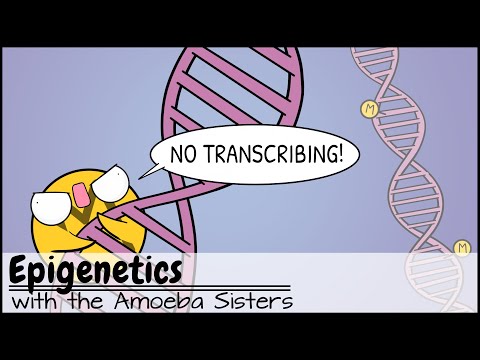
So, here’s a fun thought: did you know that your genes are kinda like the instructions for a really complicated recipe? Sounds boring, right? But wait, it gets interesting! What if I told you there are tiny chemical tags that can change how those instructions get used? Yup, we’re talking about methylation patterns.
Imagine trying to bake a cake, but some pages of the recipe are smudged or marked with notes. Those notes could mean: “add more sugar!” or “skip this step!” Methylation does something kinda similar to our genes. It helps decide which genes get turned on or off.
It’s wild how something so small can have such a big influence on what makes you… well, you! This isn’t just science mumbo jumbo; it’s about understanding what shapes all living things, including us. And believe me, once you get into methylation patterns and gene regulation, you’re in for a ride that’s way more exciting than it sounds!
The Impact of Methylation on Gene Regulation: Unraveling Epigenetic Mechanisms in Molecular Biology
Alright, so let’s talk about methylation and how it affects gene regulation. You might have heard the term thrown around in science classes or documentaries, but what does it actually mean? Basically, methylation is a process where a methyl group (that’s just a tiny chemical group made of one carbon and three hydrogens) gets added to DNA. This doesn’t change the DNA sequence itself, which is pretty cool, right? Instead, it changes how genes are expressed.
If you think of your DNA like an instruction manual for building you—the whole blueprint of your being—methylation acts like sticky notes that highlight certain parts for attention or cover up others. Some genes get “highlighted” for expression while others get “covered” to stay quiet. And this is super important because it helps control everything from how you grow to how your body reacts to stress.
Now, here’s where it gets even more interesting: methylation patterns can change based on various factors. Stress, diet, and even environmental exposures can lead to different methylation levels in your genes. For example:
- Moms who are under high stress during pregnancy might pass along different methylation patterns to their babies.
- If you eat lots of junk food, certain genes linked to metabolism could be less active due to changes in methylation.
- Chemicals in the environment may modify how our genes are regulated too.
This adaptability shows why two people with the same genetic makeup can end up being so different from each other. It’s kind of like having a fancy remote control for gene expression that reacts based on what life throws at you!
You know that feeling when something unexpected happens that totally throws you off course? A good example is cancer. In many cancers, abnormal methylation patterns can silence tumor-suppressing genes or activate oncogenes (those are the bad guys in this scenario). This hijacking of normal gene regulation leads to uncontrolled cell growth. Scary stuff!
The field studying these changes falls under epigenetics. Think of epigenetics as the study of how our environment “writes” notes on our genetic manual without changing the actual instructions inside it. Isn’t that a mind-bending thought?
A big takeaway here is that while we inherit our DNA from our parents—like getting handed down a family heirloom—the way those genes express themselves over time can shift dramatically based on various influences throughout life.
This opens up fascinating avenues for research and medicine! By understanding methylation and its effects on gene regulation better, scientists hope to find new ways to treat diseases and improve health outcomes. It’s like figuring out how to rewrite some of those sticky notes in our instruction manual so we don’t have negative outcomes!
In short, knowing about methylation patterns helps us see just how dynamic and adaptable our biology really is—not just static blueprints but living instructions reacting all the time!
Exploring the 5 Key Genes Involved in DNA Methylation: Implications for Epigenetics and Health
Sure, let’s talk about DNA methylation and some key genes that play a role in this fascinating process. You might be wondering what the big deal is with DNA methylation, right? Well, it’s like a dimmer switch for your genes. Methylation helps control which genes are turned on or off without changing the actual DNA sequence. It’s all about regulating gene expression, you know?
So, here are five key genes involved in DNA methylation that you should know about:
You might be scratching your head wondering why this matters for health? Well, changes in these genes or their activity are linked to various health issues—cancer being one of them. For example, if DNMTs become overly active or inactive due to mutations or environmental factors (like diet), they can lead to abnormal gene silencing or activation.
And it’s not just cancer we’re talking about here! Methylation patterns also affect conditions like heart disease and neurological disorders. It’s like this complex web where everything’s connected!
To wrap things up—or at least mix it up a little—methylation patterns shape who we are at a fundamental level: from how our bodies respond to diseases to our overall health and wellbeing. Isn’t it wild how something so tiny can have such huge implications? So next time you hear about genetics, remember that it’s not just all written in your DNA; sometimes it’s all about how those letters are read!
Understanding the Impact of DNA Methylation on Gene Expression: Insights from Molecular Biology
Well, let’s talk about DNA methylation and how it’s like a little switch that helps control gene expression. It might sound a bit complex, but I promise I’ll break it down for you!
So, DNA is the blueprint of life, right? It carries all the information that makes you, well, you! But not every single gene in your DNA is active all the time. This is where **DNA methylation** comes into play. It involves adding a small chemical group called a **methyl group** to the DNA. This addition can actually affect how genes are expressed without changing the underlying DNA sequence.
What’s the big deal about methylation? Well, it can determine whether certain genes are turned on or off. Think of it like dimming the lights in your room—a little darker means less visible, and that can change the whole atmosphere.
Here are some key points about this process:
- Regulating gene expression: Methylation typically occurs in areas known as **promoters**, which are like little signposts that tell genes when to start working. If there’s a methyl group there, it’s like putting up a “Do Not Disturb” sign.
- Development and differentiation: During development, different cells need to express different genes. Methylation patterns help make sure skin cells act like skin cells and nerve cells act like nerve cells.
- Environmental influence: Your environment can impact your methylation patterns too! Factors like diet or toxins can add extra methyl groups or remove them, influencing gene behavior.
Let me share an example: Imagine identical twins who have the same genetic makeup. As they grow up, one might develop asthma while the other doesn’t. Research has shown that their environmental exposures lead to different **methylation patterns**, which can switch certain genes on or off related to immune response.
But here’s another interesting twist: abnormal methylation can sometimes contribute to diseases! For instance, cancer often involves changes in these patterns—some genes that should be active get silenced when they shouldn’t be. This hiccup in regulation can result in uncontrolled cell growth.
So yeah, understanding DNA methylation is crucial because it helps us explore not just basic biology but also potential treatments for diseases tied to these processes!
In short, DNA methylation acts like an orchestra conductor—it directs which genes play their music and when they do so! And with ongoing research in molecular biology, we’re uncovering even more secrets about how this tiny tweak makes such a big difference in health and development.
You know, when we think about our genes, it’s easy to picture them as these static blueprints, just sitting there waiting for something to happen. But the truth is a lot more dynamic and kind of poetic, if you ask me. Methylation patterns play a huge role in how those genes express themselves. It’s like they’re little on-off switches scattered across the DNA.
Methylation basically involves adding a tiny chemical group, called a methyl group (a carbon atom with three hydrogen atoms), to certain spots on your DNA. And when this happens, it can stop genes from being read or expressed. Imagine you’ve got a dusty old book with some pages that get covered up—those pages might still be there, but no one can read them because they’re hidden away.
I remember chatting with my friend who was really into epigenetics—yeah, it sounds fancy but it’s all about how our environment and lifestyle can affect gene expression without altering the actual genetic code. She told me about a study that looked at identical twins. Even though they share the same DNA, their lives can lead to different methylation patterns over time. One twin might develop heart issues while the other doesn’t, simply based on lifestyle choices like diet and stress levels! That blew my mind.
What’s even wilder is that these methylation patterns aren’t just important for us as individuals; they also play crucial roles in development and health right from before we’re born! Like during pregnancy, the mother’s diet can affect the future methylation of her baby’s genes. Talk about impactful!
And this regulation isn’t just a one-and-done deal; it’s an ongoing conversation between our genes and their environment. It helps explain why identical twins can look so similar yet lead completely different lives or why some people might respond differently to medication based on their unique genetic expression patterns.
So yeah, it’s fascinating how something so small can have such huge implications for our health and identity! It really makes you think about how interconnected everything is—our genes are talking back to us all the time in ways we’re only beginning to understand. I mean seriously, isn’t it amazing how life works?