Did you know that ginkgo trees can live for over a thousand years? Yeah, seriously! Imagine having a tree around that’s seen the rise and fall of empires. Wild, right?
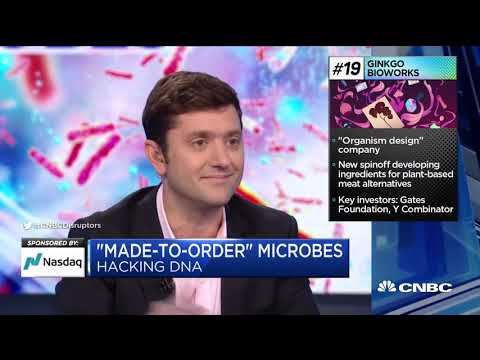
Now, speaking of ancient things in a modern context, let’s chat about Ginkgo Bioworks—no relation to the tree, but they’re both pretty remarkable. This company is shaking up the world of synthetic biology in some really cool ways.
You’ve got all these scientists out there designing living things like you’d design a video game character. Crazy stuff! And Ginkgo is at the forefront, making it happen.
So grab your favorite drink and settle in because we’re diving into how Ginkgo Bioworks is not just mixing science with artistry but changing the game altogether. Exciting times ahead!
Ginkgo Bioworks: Pioneering Innovations in Synthetic Biology and Biotechnology
Ginkgo Bioworks has become quite the name in the world of synthetic biology and biotechnology. You might be asking yourself, what exactly does that mean? Well, it’s all about using living organisms to create new products or improve existing ones. So, think about it like this: instead of just growing plants or bacteria as they are, you can tweak their genetic makeup to make them do something cool or useful.
One of the coolest things Ginkgo does is they act like a matchmaker between biology and technology. They have this state-of-the-art platform that allows scientists and companies to collaborate in developing new biological systems. Imagine being able to design custom microbes that can produce everything from food flavors to fuels! That’s what they’re working on.
They use a process called genetic engineering, where you can insert, delete, or modify genes in organisms. For example, let’s say you want a bacterium that produces vanilla flavoring instead of waiting for vanilla beans to grow for years—Ginkgo can help make that happen with some clever tinkering at the genetic level.
But they don’t stop there! They focus on rapid experimentation. This means they can test a ton of different designs quickly. It’s kind of like trying out different recipes until you find the perfect one. This helps them and their partners innovate faster than ever before.
An emotional aspect ties into their mission too. Many who work at Ginkgo are driven by a passion for sustainability and tackling climate change issues. The idea is that by engineering microbes to produce biodegradable plastics or clean energy sources, we can help make a better future for our planet.
In terms of real-world applications, Ginkgo has been involved in creating sustainable solutions for various industries:
- Agriculture: Developing microbes that help plants grow better and resist pests.
- Pharmaceuticals: Engineering yeast to produce complex drugs more efficiently.
- Food production: Crafting ingredients that could potentially replace animal products.
The possibilities seem almost endless! It’s like we’re just scratching the surface of what synthetic biology can do for us.
However, there are also ethical considerations tied up in all this innovation. Questions about safety and long-term impacts arise when manipulating living organisms. It’s crucial for companies like Ginkgo to address these ethical dilemmas while forging ahead on such an exciting frontier.
So yeah, Ginkgo Bioworks isn’t just playing around; they’re genuinely pushing boundaries in synthetic biology and biotechnology! Their work is making waves across multiple sectors while holding onto a vision that’s hopefully paving the way toward more sustainable living—pretty exciting stuff if you ask me!
Ginkgo Biosecurity: Ensuring Plant Health and Biodiversity in Scientific Research
Sure, let’s talk about Ginkgo Biosecurity and what it means for plant health and biodiversity. So, have you heard of Ginkgo Biotech? They’re, like, knee-deep in synthetic biology, working on some pretty neat stuff. But there’s this important angle you need to consider—biosecurity.
First off, what is biosecurity? Well, it’s all about preventing harm to plants and ecosystems from pests or diseases. Like when you wash your hands before eating. You’re trying to keep the germs away! In the world of plants and research, biosecurity helps keep everything safe and healthy.
Ginkgo has a role here that’s kind of cool. They use synthetic biology—basically manipulating the genetic material of organisms—to create better crops or even find new medicines. But with great power comes great responsibility, right? You don’t want those engineered organisms to accidentally escape into the wild and mess things up.
So how do they ensure biosecurity? Here are a few key points:
- Controlled environments: Ginkgo often uses specialized labs where conditions are carefully monitored. This helps make sure that nothing unwanted escapes.
- Pest management: They monitor for any pests or diseases regularly. It’s like having a watchful eye on your garden so no uninvited guests ruin your plants.
- Regulatory compliance: They follow strict guidelines set by governments around the world. These rules help make sure that their work doesn’t unintentionally harm local flora or fauna.
- Education and training: Ginkgo staff is trained in biosecurity best practices. It’s super important that everyone knows how to handle things properly.
You know, I remember visiting a small botanical garden once—totally blown away by all the different plants! The gardener was so passionate about keeping them healthy and safe from pests. That sense of care is similar to what you find at places like Ginkgo.
Another critical aspect is biodiversity. When scientists work with synthetic biology, they often focus on specific traits in certain plants. While that could lead to better crops, you want to make sure we’re not losing valuable genetic diversity along the way. Imagine if all apples were just red ones—how boring!
Maintaining biodiversity helps ecosystems stay balanced and resilient against diseases or climate changes—like how diverse friends can help you through tough times in life!
In wrapping this up, it’s clear that Ginkgo Biotech plays a significant role not only in advancing science but also in ensuring we manage our natural world responsibly through biosecurity practices. This way, every step forward in research doesn’t come with a step back for plant health or biodiversity! You get me?
Exploring Ginkgo AI: Innovations in Artificial Intelligence for Scientific Research
So, let’s chat about Ginkgo Biotech, which is doing some pretty cool stuff in the world of synthetic biology and AI. They’re on a mission to make biology easier to engineer. Basically, they’re like the mechanics of biology—tinkering with microbes and cells to create things we need, like drugs, biofuels, and even food. And you know what? Their innovations are advancing scientific research in ways we didn’t really think were possible.
One major player in this journey is Ginkgo’s use of artificial intelligence. It’s not just about having smart robots running around in labs; I mean, wouldn’t that be neat? Instead, think of it as using complex algorithms to analyze vast amounts of data from biological experiments. This enables scientists to identify patterns or predict outcomes much faster than if they were doing it all manually.
- Data Analysis: Scientists generate tons of data when they experiment with different microorganisms. With Ginkgo’s AI tools, researchers can quickly sift through this data to find useful insights without getting lost in the numbers.
- Designing Organisms: Imagine if you could design a microorganism from scratch entirely tailored for a specific task. Well, Ginkgo’s AI helps design these organisms by predicting which genetic modifications would lead to desired traits.
- Synthetic Biology Applications: From pharmaceuticals to sustainable agriculture, Ginkgo’s innovations are helping create new products that can make life easier or solve pressing environmental issues.
Now here’s a little story that might hit home. Picture a local farmer struggling with pests and looking for eco-friendly solutions instead of chemicals. Thanks to innovations driven by Ginkgo’s AI tools, scientists can develop microbial pesticides that are not only effective but also less harmful to the environment! This direct impact on agriculture shows how powerful this technology can be.
And there’s more! The collaborative aspect of what Ginkgo does is really something special. They partner with various companies and research institutions. This teamwork allows them to pool resources and knowledge for larger projects that might have seemed impossible for one organization alone.
You know what’s also exciting? They’re working on improving existing biotechnologies too! So instead of always starting from scratch—which can be time-consuming—they leverage old techniques while enhancing them with fresh ideas made possible by machine learning algorithms.
In summary, Ginkgo Biotech is pushing the envelope, combining synthetic biology with innovative artificial intelligence tools that are changing how we approach scientific research today. The future looks bright as these technologies evolve and open up new pathways for discovery—and who knows what other groundbreaking applications we’ll see down the line?
So next time you hear about advancements in biotech or synthetic biology thanks to AI tools like those developed at Ginkgo, just remember how interconnected these fields are becoming—and how they could lead us toward solutions for some big challenges we face today!
Alright, so let’s talk about Ginkgo Bioworks and how they fit into this whole synthetic biology scene. You know, every time I hear about synthetic biology, I can’t help but think back to that one time I tried to grow my own plants. Seriously, it was like a science experiment gone wrong! I didn’t know the first thing about plant genetics or even soil types—just grabbed any old seeds and hoped for the best. Spoiler alert: they didn’t survive long.
Ginkgo Bioworks is a bit like the cool kid in that science class who knows all the answers and is great at bringing ideas to life. They’re all about engineering living things. Picture this: instead of just waiting for nature to do its thing, they harness the power of biology itself, like an artist who can paint with living cells instead of paintbrushes.
Their approach is all about designing organisms to produce everything from flavors in food to new medicines. You follow me? It’s this wild intersection where technology meets biology. The cool part? It opens a ton of doors for innovation! For instance, making sustainable products or even breaking down waste—both seriously important as we tackle climate change.
But here’s where it gets really interesting. With all this power comes responsibility! Just like my failed plant adventure taught me a lesson about patience and care, synthetic biology poses big questions too. What are we messing with when we change those tiny organisms? Should there be limits? It’s kind of mind-boggling if you really think about it.
So yeah, while Ginkgo is busy pushing boundaries and inventing new possibilities in synthetic biology, we also need to keep looking at the bigger picture. Balancing innovation with ethical considerations seems crucial as we get deeper into this field.
In short, Ginkgo Bioworks isn’t just shaping the future of synthetic biology; they’re making us think more critically about how we interact with nature itself—and that’s something worth reflecting on!