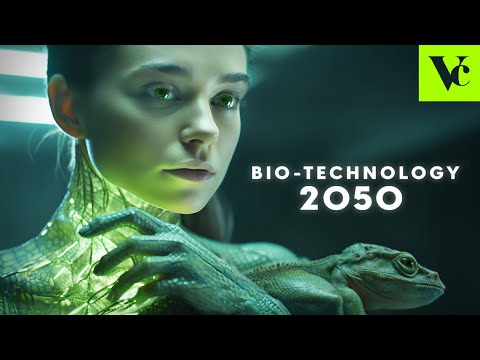
So, picture this: you’re sitting there, scrolling through your phone, and suddenly you see a headline about how Google is, like, helping scientists grow mini organs in the lab. Right? That’s wild! Seriously, mini organs?
Well, it turns out biotech is where it’s at these days. It’s an adventure that mixes biology with tech—like a superhero team-up of science! And Google? They’re not just about search engines and quirky doodles anymore. Nope—they’ve got their hands in some incredible scientific progress.
I mean, think about it. We’re talking about breakthroughs that could change healthcare as we know it. Can you imagine a world where diseases get tackled before they even start? Yeah, Google’s been stirring the pot in this whole biotech scene. They’re not just pushing boundaries; they’re redefining the game.
So let’s chat about what they’re up to and how this could affect us all in ways we probably haven’t even thought about yet! Sound good?
Exploring Google’s Groundbreaking Innovations: Transforming Science and Technology
So, let’s talk about Google and how it’s shaking things up in the world of science and technology, particularly in biotech. It’s like a whirlwind of fresh ideas and approaches, pushing boundaries and opening up new possibilities. You know what I mean?
First off, Google has jumped into the biotech scene with its deep learning algorithms. These are advanced computer programs that learn from data patterns and can make predictions or analyze complex problems much faster than humans. Think about all those medical images — instead of a doctor spending hours examining them, these algorithms can spot anomalies in seconds! It’s changing how we diagnose diseases.
Another big player is Google Life Sciences, now part of Verily. This team tackles challenges like disease prevention and management through data analysis. They’re all about using tech to tackle actual health issues face-on! For example, they’ve worked on smart contact lenses designed to monitor glucose levels for diabetics. That means less finger pricking! How cool is that?
And let’s not forget about their work with genetic research. Google has been involved in projects using AI to understand genomics better. The idea is to parse through massive amounts of genetic data to find correlations that could lead to breakthroughs in treatment development or even personalized medicine! Imagine knowing exactly how your body will react to a specific drug before you take it — it sounds like something out of a sci-fi movie!
But here’s where it gets even more interesting: Google also collaborates with various universities and research institutions. This partnership allows them to bring innovation into labs and real-world applications faster than ever before. When tech meets academic research, that’s where magic happens.
Plus, they’re exploring ways to use machine learning for drug discovery. It’s like having an incredibly smart buddy who can sift through tons of compounds and suggest which ones might be the most effective for treating specific diseases — way quicker than traditional methods could manage! This could speed up the creation of life-saving medications.
All these innovations have broader implications too; think about accessibility in healthcare or speeding up clinical trials while ensuring safety and efficacy at each step — these are huge milestones for public health.
In summary, Google is transforming biotech by integrating cutting-edge technology with scientific exploration. With their algorithms helping decode diseases faster and collaborations pushing boundaries further, the implications are vast. It feels like we’re on the brink of something revolutionary, doesn’t it? There’s still so much potential waiting just around the corner!
Exploring Google’s Groundbreaking Innovation: Revolutionizing Search Algorithms in the Science of Information Retrieval
I’ve been thinking about how Google has basically changed the way we find information. It’s not just about searching for cat videos or the best pizza place nearby, you know? Google’s innovation in search algorithms has had a huge impact on how we retrieve information, especially in the scientific world.
First off, let’s get into what search algorithms actually do. Well, they’re like really smart sets of rules that help computers decide which bits of information to show you when you type in a query. Imagine you’re trying to find out more about CRISPR technology, right? Google uses its algorithms to sift through millions of pages, finding the most relevant ones and ranking them so you see the best first.
It’s pretty wild how these algorithms keep evolving. For instance, Google has implemented machine learning, which allows its systems to learn from past searches and user interactions. Basically, it gets better over time at predicting what information you really need based on what others have searched for before. So if many people who looked up CRISPR also read reports on gene editing ethics, chances are you’ll see those options pop up too.
And then there are concepts like semantic search. This is where things get really interesting! Instead of just matching keywords in your query with pages online, Google tries to understand the context and intent behind your words. So if you type “impact of gene editing,” it doesn’t just look for those exact words but also considers related topics like health implications or environmental concerns.
You know what? It’s not just about making searches more efficient either. These innovations can literally change lives in biotech! For example, researchers looking for case studies or clinical trials can find them much faster with improved search capabilities. Imagine someone struggling with a rare disease—finding the right research paper could make a big difference in their treatment options.
And let’s not forget about something called knowledge graphs. Google uses these to provide concise answers right at the top of your search results page! Instead of diving into multiple articles, you might see a quick summary of CRISPR’s function and applications right there. This means less time hunting for info and more time understanding it.
Of course, with all these advancements also comes some challenges. The algorithms need to be designed carefully to avoid bias or misinformation. That’s where ethics kicks in—it’s crucial for tech companies like Google to ensure that their tools are guiding users toward reliable sources instead of leading them down a rabbit hole of fake news or poorly vetted studies.
In short, Google’s efforts to refine its search algorithms have revolutionized how scientists and researchers access information. They’ve transformed a clumsy search experience into something intuitive and helpful—not just for casual users but for serious professionals too! Looking ahead, one can only imagine how much more it will evolve. Who knows? Maybe someday you’ll have a personal AI assistant that knows exactly what info you need before you even ask! Isn’t that mind-blowing?
Exploring Biotechnological Innovations: Transforming the Future of Science and Technology
Biotechnology is, like, this really exciting field that blends biology and technology. You know? It’s all about using living organisms or their parts to make products or solve problems. And the cool part? It’s transforming everything from healthcare to agriculture. Let’s break it down a bit.
Genetic Engineering has been one of the biggest players in biotechnology lately. Scientists can now modify genes to improve crops, making them more resistant to pests or droughts. Like, imagine a tomato that doesn’t rot as quickly—pretty neat, right? They use tools like CRISPR for this, which is a way to edit DNA with incredible precision.
Then we have synthetic biology. This is like building new life forms from scratch! It’s not just about editing what’s already there; it’s about creating entirely new biological systems. Researchers have even made yeast that can produce drugs for diseases like malaria, which is pretty amazing when you think about it.
Now, what’s up with Google in all of this? Well, they’re diving into biotech through their parent company Alphabet. They’ve got this branch called Verily that’s aiming to improve healthcare through technology and data analysis. For example, they’re looking at how data can predict health conditions before they even happen, allowing for preventative care instead of just reactive treatments.
Another area where they’re making waves is personalized medicine. This means treatments tailored specifically for you based on your genetics! So instead of a one-size-fits-all approach—which often doesn’t work—they’re using data to find the best treatment plan for each individual patient. It’s super futuristic!
Bioinformatics also plays a crucial role here. It combines bio with IT and helps analyze huge amounts of biological data—like genetic sequences! Google’s computing power helps speed up these analyses significantly so scientists can focus on what really matters: finding solutions.
What really strikes me is how biotechnology brings hope to areas we thought were impossible. I once read about a biotech startup that developed insulin-producing cells from stem cells for diabetes patients—just think about the lives it could change! That kind of innovation feels like science fiction coming to life right before our eyes.
In summary, biotechnology is changing our world dramatically thanks to innovations in genetic engineering and synthetic biology. And companies like Google are stepping into the mix, harnessing technology and data for groundbreaking advancements in health and medicine. The future looks bright—and who knows what else is on the horizon?
So, let’s chat about biotech and how Google has been shaking things up in the science world. You know, when I think about it, biotech feels like a magical blend of biology and technology. It’s like scientists are wizards, brewing up solutions for everything from disease to farming. Seriously, the potential is enormous!
I remember hearing about this one story where researchers used genetic engineering to create a type of rice that could thrive in flooding conditions. Like, imagine feeding people in regions that are often underwater! It’s incredible what those smart folks in labs can do, and it gets even wilder with tech companies stepping into the mix.
Now, enter Google. They’re not just about search engines or cool doodles on their homepage; they’ve been making some serious moves in biotech too. For one thing, their Artificial Intelligence (AI) systems are helping scientists crunch massive amounts of data way faster than humans could ever do alone. And let me tell you, that’s a game changer! When you can analyze patterns in genetic sequences or predict how proteins fold—just think about all the possibilities for drug development!
But it’s not all sunshine and rainbows. There are some ethical questions here that can’t be ignored. With great power comes great responsibility, right? We’ve seen stories of data misuse or questionable practices in biotech before. So while Google pushes boundaries and innovates, it’s super important that they’re keeping ethics at the forefront.
Also, have you heard of Calico? It’s this project backed by Google focused on aging and healthspan extension. Talk about ambitious! I mean, who wouldn’t want to live healthier for longer? But then again, does living longer mean living better? It really makes you think.
In the end though, I’d argue that innovations from places like Google are pushing scientific progress further than we ever imagined possible—at least when done responsibly. So as we keep watching these developments unfold, let’s hope we strike a balance between innovation and ethics so we can use these breakthroughs to help humanity rather than complicate things further.
So yeah… biotechnology is an exciting field with tons happening! And with big players like Google getting involved? Well… buckle up; we’re in for quite a ride!