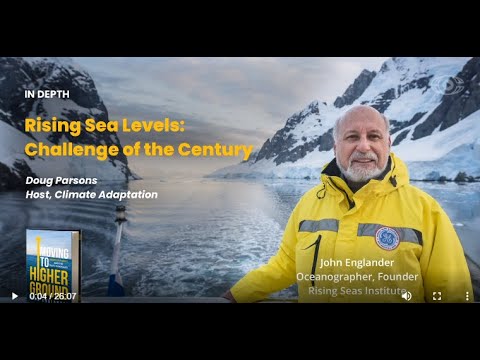
You know that feeling when you’re at the beach, and the ocean just keeps creeping up on your towel? It’s like, “Hey, chill out!” Well, that’s sort of what’s happening in a much bigger way across the globe. Rising tides are becoming a serious issue, and it’s not just about wet socks anymore.
Imagine if your favorite seaside hangout slowly turned into a puddle. Not super fun, right? But it’s real! Climate change is pushing those waters higher, and it affects way more than just your beach day.
From coastal towns to big cities, everyone is feeling the squeeze. It’s a challenge that’s shaking up our planet and our lives. So grab a seat because this story isn’t just about science; it’s about us—what we’re doing, what we can do, and why it matters.
Future Flooding: Projected Impact of Rising Sea Levels on US Cities by 2050
Well, let’s talk about something that’s becoming a big deal: future flooding. With rising sea levels driven by climate change, many U.S. cities are looking at some serious challenges by 2050. And honestly, it’s not just a distant problem—it’s happening now.
First off, why are sea levels rising? It mostly comes down to two main factors: thermal expansion and melting ice sheets. As the planet heats up, ocean water expands; plus, we’re losing ice from places like Greenland and Antarctica faster than you can say “polar bear.” Scary stuff, huh?
Now you might be asking, what does this mean for U.S. cities? So here’s the lowdown:
- Coastal Flooding: Many coastal cities like Miami and New Orleans are already facing regular flooding during high tides. By 2050, these areas could see increased flooding events yearly.
- Infrastructure Strain: Roads, bridges, and pipes could become submerged or damaged. Just imagine your morning commute turned into an unexpected swim!
- Economic Impact: All this flooding means potential damage to homes and businesses. Think about the costs involved in repairing or even relocating places.
- Migration Issues: As some areas become uninhabitable due to flooding, people might need to move—creating “climate refugees.” That means more folks heading inland or to other states.
Let me tell you a story that really hits home. A few years back, I visited New Orleans right after a storm hit. The streets were flooded—kids were out splashing around in what looked like lakes instead of sidewalks! It was fun for them but pretty chaotic for everyone else. I couldn’t help but think about how often this happens now—and what it’s gonna look like down the line when storms become more intense.
Another thing worth mentioning is how different regions will feel these impacts unevenly. For example:
- The Northeast: Places like Boston could face significant flooding because of their geography.
- The West Coast: In California, rising sea levels might lead to beach erosion and messed-up ecosystems.
- The Gulf Coast: Cities here are particularly at risk due to extreme weather events combined with sea level rise.
So what can we do about it? It feels overwhelming sometimes! But communities are coming together—like starting initiatives for better urban planning and investing in sustainable practices that take future flooding into account.
In closing—even though there’s no magic wand to fix all this overnight, being aware of the problem is key. Future floods don’t have to drown our spirits; instead, they can motivate us to take action together! Just remember: it’s about learning how we can adapt together in the changing tides ahead.
Understanding the Rising Tide Protest: Impacts on Science and Climate Activism
The Rising Tide Protest is more than just a movement; it’s a rallying call for scientists and climate activists alike. Basically, it brings together people who want to do something tangible about climate change. Now, let’s break down what this all means.
What Are Rising Tide Protests?
These protests are organized actions aimed at raising awareness about the urgent need for action on climate change. The name “Rising Tide” symbolizes both literal rising sea levels and the surge of collective human action fighting back against climate issues. When you think about it, this is a pretty powerful metaphor!
Impact on Climate Science
You might be wondering how protests affect science. Well, they help amplify scientific voices! Researchers often work in labs or behind desks, but when activists take to the streets, they shine a light on the findings of climate scientists. This kind of visibility can pressure governments and organizations to take scientific data seriously.
- Public Engagement: Protests get everyday people talking about science.
- Policy Change: They can lead to shifts in political agendas based on scientific evidence.
- Acknowledgment of Urgency: Protests highlight how time-sensitive many scientific warnings are.
What’s wild is that sometimes scientists join these protests too! Imagine an astrophysicist chanting alongside activists—it really shows how interconnected these fields can be.
The Role of Activism
Activism has always been a driving force for change. Think back to movements like civil rights or anti-apartheid—they didn’t just change laws; they changed hearts and minds too! The same goes for climate activism, where Raising Tides strives not just for policy reform but also aims to inspire hope and collaboration among communities.
But activism isn’t without challenges. It can sometimes backlash against scientists when misinformation spreads. People may misunderstand or misinterpret findings. So it’s crucial that communication between scientists and activists is clear and strong.
- Curbing Misinformation: Collaborating closely helps dispel myths around climate science.
- Create Inclusive Dialogues: Engaging various communities encourages diverse solutions.
- Sparking Innovation: New ideas often sprout from grassroots movements!
And let’s not forget about emotional stories—like that one time at a protest when an elderly woman stood up and shared her experiences witnessing coastal erosion in her hometown. You could feel everyone’s heartstrings tugging as she talked about losing her family home. It brought a human touch to something so abstract as sea level rise!
A Call to Action
So what’s next? Well, we need more conversations that unite both activists and scientists on common ground. There’s so much potential here! If they work hand-in-hand, we could foster real advancements in both policy and public understanding of the issues at stake.
In summary, understanding the Rising Tide Protest offers insights into how collective actions shape our response to climate change while emphasizing the importance of science-based dialogue. It’s like throwing pebbles into a pond—the ripples keep spreading!
UN Report on Sea Level Rise: Impacts, Projections, and Scientific Insights
So, let’s talk about the UN Report on Sea Level Rise. It’s one of those topics that can feel a bit heavy, but understanding it really matters. Basically, sea level rise is not just about water getting higher; it means lots of changes for our planet and for us. Scientists are paying a lot of attention to this because, well, it’s serious business!
The main idea here is that as the Earth warms up due to climate change, glaciers and ice sheets melt. And when all that ice turns into water? You guessed it—it flows into the oceans! This melting ice plus the thermal expansion of water (which means water takes up more space as it warms) leads to higher sea levels.
The UN report projects that by 2100, we could see sea levels rise between 1 and 2 meters. That might not sound like much at first, but think about coastal cities like Miami or New Orleans. This kind of rise could mean serious flooding during storms and even regular high tides!
- Impact on Ecosystems: Rising tides don’t just threaten humans; they’re also a huge deal for coastal ecosystems. Wetlands and mangroves are habitats for countless species, but they can be submerged if levels keep rising.
- Economy at Risk: Think about homes near beaches or businesses in port cities—those might become unlivable or unusable if sea levels continue to creep up.
- Migration Issues: As places get flooded or become too dangerous, people might have no choice but to leave their homes. We’re talking “climate refugees.”
You know what’s really alarming? Some scientists suggest that certain areas might become uninhabitable within our lifetimes! Take parts of Bangladesh or the Maldives—they’re already feeling the effects with seasonal flooding becoming worse.
If you mix in other factors like storms and erosion caused by rising seas, you end up with communities facing a double whammy. Not only do they have to deal with higher water levels but also stronger storm surges when hurricanes hit.
The report emphasizes that we need to act fast! It’s not all doom and gloom; if we cut down on greenhouse gas emissions now—like switching to renewable energy—we might still have a chance to limit how high those seas will rise.
Lest I forget: the science behind all this is fascinating! Scientists use satellite data and tide gauges to measure sea level changes accurately over time. It’s one way we know how serious things are getting out there. Seriously cool tech!
So yeah, whether you’re chilling at the beach during summer vacations or just walking around your neighborhood near a waterfront, remember: rising tides are a global challenge we can’t ignore. The UN Report points us in the direction we need to go—let’s hope enough people pay attention!
You know, when I think about rising tides and climate change, I can’t help but remember a day at the beach with my family when I was a kid. We built this epic sandcastle, like a fortress with walls and towers. But as the day wore on, the tide crept closer and closer. Suddenly, waves crashed over our masterpiece. We watched it dissolve into the sea, and even though it was just a pile of sand, it felt pretty sad to see something we created just… disappear.
That scene is kind of what’s happening worldwide with climate change. Rising sea levels are a real threat to coastlines everywhere. When glaciers melt or when water expands due to heat, it all adds up—seriously! It’s estimated that sea levels could rise by several feet in some areas by the end of the century if we don’t do something fast.
Picture coastal cities like Miami or New Orleans facing massive flooding during storms or even at high tide! There are communities that have already been displaced because their homes are literally sinking into the ocean. Just imagine waking up one day and realizing your neighborhood might not exist anymore? It feels unreal.
And it’s not just about property loss; it’s about people’s lives. Livelihoods tied to fishing or tourism can be wiped out overnight if beaches erode or ecosystems fail because of temperature changes. This isn’t just a statistic on some report; these are real folks with dreams and families watching their lives get flipped upside down.
The science is clear: climate change isn’t waiting for us to come up with solutions; it’s knocking at our door right now (or maybe bashing through!). From stronger storms to invasive species taking over local habitats, everything’s connected. It’s like one giant web where every strand pulls on another.
But there’s hope too! People everywhere are coming together—young activists rallying for change, scientists developing new technologies, communities working hand in hand to adapt and protect what they love. It’s inspiring to see so much passion for preserving our planet while tackling such a huge issue.
So yeah, rising tides are more than just an environmental concern; they reflect humanity’s broader struggle against climate change in all its messy complexity. Remembering that lifeguard stand washed away feels bittersweet now: it echoes both loss and resilience—a reminder that while challenges loom large ahead, there’s also a relentless spirit trying to push back against the waves.