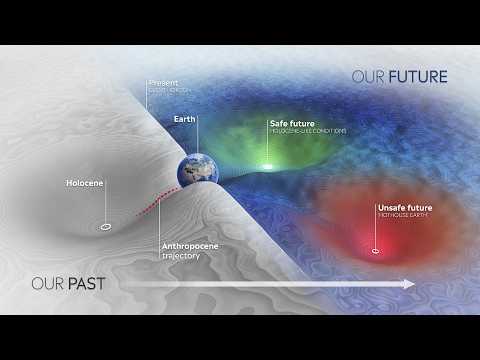
You know that feeling when you open a window on a hot summer day, and you’re just praying for a little breeze? Yeah, imagine that’s our planet right now. It’s like we’ve cranked up the thermostat way too high, and we’re all sweating it out together.
Global warming isn’t just some boring science talk. It’s real, it’s here, and it’s shaking things up in ways you wouldn’t believe. Like, did you know that the last seven years have been the hottest on record? That’s a wild stat! It kind of makes you think about what means for us and the future.
I mean, there’s so much to discuss—like what’s causing this heatwave of global chaos, how it might change our world, and what we should do about it. Seriously! Let’s chat about those critical points that keep scientists awake at night. So grab your iced tea—or coffee if that’s your vibe—and let’s dig in together!
Exploring Scientific Perspectives on Global Warming: Evidence, Consensus, and Implications
Global warming is one of those topics that feels like it’s all over the news, but what does it really mean? So, let’s break it down together.
At its core, global warming refers to the rise in Earth’s average temperature due to increased levels of greenhouse gases in the atmosphere. Think of these gases like a giant blanket, keeping our planet warm. But when we add too many layers to that blanket—thanks to things like burning fossil fuels, deforestation, and industrial processes—it gets a little too hot for comfort, you know?
Speaking of consensus, there’s a pretty solid agreement among scientists about global warming. Over 97% of climate experts agree that it’s happening and that human activities are a major driver. Just imagine being at a family dinner where everyone is on the same page except for one uncle who insists aliens are causing climate change—yeah, that’s how clear-cut this scientific consensus is!
Now let’s talk about some key points regarding this phenomenon:
- Evidential support: The evidence for global warming includes things like rising sea levels and melting glaciers. Remember those times when you saw pictures of polar bears struggling on shrinking ice? That’s not just sad; it’s science.
- Temperature records: Global temperatures have risen significantly over the past century. You can see it in long-term average data—a simple graph would show you how the temperatures today are way higher than they were in the past.
- Extreme weather: More heat means more energy in our atmosphere. This often leads to extreme weather events—think hurricanes and wildfires—not just some random “heat wave” every summer.
- Biodiversity loss: As habitats change due to warming temperatures, many species struggle to survive or adapt quickly enough. You might remember hearing about coral reefs dying off; that is directly tied to ocean temperatures rising.
The implications of all this are pretty serious. Warming isn’t just an environmental issue; it’s linked to social and economic factors too. For instance, changes in agriculture could make some crops harder to grow while improving conditions for pests—yikes! This means food prices could spike as farmers struggle.
Oh! And there’s something emotional here too—it’s easy to feel overwhelmed by all this doom and gloom information. I get it! Sometimes I find myself staring out at nature wondering how much longer we’ll get to enjoy these beautiful places if things keep going as they are.
But there is hope! People around the world are coming up with solutions: transitioning to renewable energy sources like solar or wind power can make a big difference over time. And even small actions—like reducing plastic use or eating less meat—can snowball into something larger.
So yeah, global warming is complex but also super important for our future! It impacts everything from weather patterns to wildlife survival and our own day-to-day lives. By understanding it better together, we can make choices that help protect our planet.
Exploring the Five Key Factors of Global Warming: Insights from Climate Science
Alright, let’s chat about global warming and the five key factors behind it! It’s a huge topic, but breaking it down can make things a lot clearer. So, here we go!
1. Greenhouse Gases: You’ve probably heard about greenhouse gases like carbon dioxide (CO2) and methane (CH4). Basically, these gases trap heat in the atmosphere. Imagine wrapping yourself in a blanket on a hot day; you’d get really warm, right? That’s kind of what these gases do to our planet. Human activities, like burning fossil fuels for energy or cutting down forests, pump these gases into the air. And guess what? Levels of CO2 have shot up by more than 40% since the 1800s!
2. Deforestation: Trees are pretty amazing at absorbing CO2. But when we cut them down for land or lumber, not only do we lose that ability to suck up carbon, but the trees that are chopped and burned also release stored CO2 back into the atmosphere. It’s a double whammy! Remember when you were a kid and built a treehouse? Those trees provided shade and homes for birds. Now imagine if they were gone—less oxygen and more heat in our atmosphere.
3. Industrialization: As countries grow and develop, industries pop up everywhere! These factories often rely on fossil fuels, cranking out tons of emissions along with their products. While it’s great for creating jobs and increasing goods available to people, there’s a downside—more emissions mean more greenhouse gases released into our atmosphere.
4. Agriculture Practices: Ever thought about how your food is grown? The way we farm can significantly impact global warming too! For example, livestock like cows produce methane during digestion (it’s true!). Plus, using chemical fertilizers leads to nitrous oxide emissions—another potent greenhouse gas. So every time you munch on a burger or buy veggies from big farms without sustainable practices, consider where those emissions come from!
5. Land Use Changes: This one ties back to deforestation but also includes how we use land overall—urbanization shifts habitats from natural landscapes to cities. You know those days when urban heat islands make cities feel warmer than surrounding areas? That’s because concrete absorbs heat better than grass or trees do! Changing how we use land can release carbon stored in soil too.
So there you have it: five key factors driving global warming that are all interconnected in some way! What’s really interesting is how everything interacts; it’s like one big web where each part affects another.
Understanding these elements pushes us toward finding solutions! Whether it’s planting trees again or transitioning to cleaner energy sources like wind or solar power—every step counts! You follow me? It might feel overwhelming sometimes but knowing this stuff is super important if we want to turn things around for our planet’s future!
Exploring the 7 Essential Pillars of Climate Change: A Scientific Perspective
Climate change is a big deal these days, and understanding it can feel overwhelming. But breaking it down into essential pieces makes things a lot easier to grasp. So, let’s chat about the seven essential pillars of climate change.
- Greenhouse Gases: These are like a thick blanket around Earth. They trap heat, keeping our planet warm enough for life. But too many of them can lead to overheating. Think of carbon dioxide and methane; they come from burning fossil fuels and farming practices.
- Temperature Rise: The Earth’s average temperature has shot up by about 1°C since the late 1800s. It might seem small, but that little change packs a punch! Remember that summer day when you thought it was way hotter than usual? That’s what we mean!
- Melting Ice: Our polar ice caps are melting like ice cream on a hot day. This isn’t just about penguins losing their homes; it leads to rising sea levels and changes in ocean currents, which can mess with weather patterns worldwide.
- Ocean Acidification: The oceans absorb a good chunk of carbon dioxide but pay the price for it. When CO2 mixes with seawater, it creates carbonic acid, making the water more acidic. This is hard on marine life! Imagine trying to build your house with crumbling bricks—yeah, not easy for coral reefs!
- Biodiversity Loss: Plants and animals are feeling the heat! Many species are struggling to survive in changing climates or due to habitat loss caused by humans. This loss reduces biodiversity, which is like losing pieces of a puzzle—without those pieces, the picture isn’t complete anymore.
- Weather Extremes: You might have noticed more intense storms or droughts lately? Yep, climate change is shaking things up! Extreme weather events are becoming more frequent as our climate becomes unstable.
- Socioeconomic Impacts: Climate change isn’t just an environmental issue; it affects people too! Vulnerable communities face higher risks from natural disasters and economic instability due to shifts in agriculture or water supply.
The entire concept might feel abstract sometimes until you connect the dots back to daily life. Like that crazy storm you heard about last summer or seeing photos of glaciers melting—it’s all part of this complex puzzle we call climate change.
If we want to tackle these challenges seriously, awareness is key. Educating ourselves on these pillars helps us understand why action is necessary—and what role we play in this bigger picture.
This knowledge gives us power because once we get what’s at stake, we can push for changes needed not just for ourselves but also for future generations!
You know, global warming is such a hot topic—pun totally intended—these days. We hear about it everywhere, from that environmental documentary everyone’s raving about to social media posts that pop up when you least expect them. But let’s get into what really matters in this conversation.
There are some critical points that often come up when scientists and activists chat about global warming. One of the big ones? The greenhouse effect. It works like this: certain gases in our atmosphere, like carbon dioxide and methane, trap heat from the sun. It’s like wrapping the Earth in a warm blanket. Sounds cozy, right? Well, not if that blanket is getting thicker every year because of human activities!
I remember a night camping with friends a while back. We sat around the fire, wrapped in our sleeping bags, sharing stories and jokes under the stars—the sky was so clear! But you could feel the chill creeping in as the flames flickered down to embers. If Earth keeps getting warmer due to our actions, though, nights like that might become scarce or even too warm for comfort.
Another point often raised is melting ice caps and rising sea levels. Places you love visiting might just disappear if we don’t change things up. Imagine your favorite beach becoming unrecognizable or even underwater because of rising water levels. It’s scary stuff when you start picturing your hometown shifted around by nature.
And then there’s biodiversity loss—like losing parts of an intricate puzzle because one piece is gone! With many species struggling to adapt to rapid changes in their habitats, ecosystems can get seriously disrupted.
But here’s where it gets really interesting: finding solutions isn’t just about doom and gloom! Scientists are brainstorming ways to tackle this thing head-on with renewable energy sources or planting trees like they’re trying to create a forest army against climate change! There’s power in numbers—literally.
So yeah, global warming is complex with tons of layers to it, much like an onion—except instead of crying over it, let’s work together on some solutions that can lead us toward a better future for all living things on this planet!