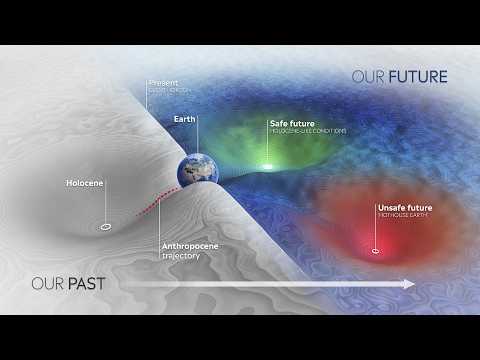
You ever hear about the time a bunch of scientists were arguing over when our planet might reach a tipping point? It’s like they’re playing this epic game of climate chess, and, spoiler alert—it’s not looking good for us.
I mean, imagine your favorite ice cream sundae. If you pile on too many toppings, it just tips over, right? Well, our planet is kinda doing that with temperature changes and environmental stress. And let me tell you, once it starts tipping, it can be really hard to tip it back.
So, what’s a climate tipping point anyway? Basically, it’s that moment when a little change causes a big reaction, like the domino effect but way less fun. This stuff has some serious global implications that can affect everything—from weather patterns to the coffee we drink!
What I’m saying is: these tipping points matter more than you might think. They could change life as we know it. So buckle up; it’s gonna be a wild ride!
Understanding Climate Tipping Points: Global Implications and Scientific Insights
So, climate tipping points, huh? It sounds like a big, scary phrase, but let’s break it down. Basically, a **tipping point** is when something changes in a fundamental way that becomes basically irreversible. You know when you’re pouring milk into coffee and you get to a point where it just won’t mix back? That’s kind of what happens with our climate. The system starts to change in ways that are really hard to reverse.
One of the most talked-about tipping points is the melting of the **Greenland Ice Sheet**. If it melts enough, it could raise sea levels around the world by several meters. Imagine coastal cities like Miami or New Orleans just disappearing under water! That’s not just some distant future dream—if we keep warming the planet at this rate, we could hit that tipping point faster than you’d think.
Another example is the **Amazon rainforest**. It’s often called the lungs of the Earth because it absorbs so much carbon dioxide and produces oxygen. But if deforestation continues at its current pace and temperatures rise too much, parts of the Amazon might stop being a rainforest entirely and turn into savannah. This wouldn’t just be bad for wildlife; it would also pump tons of stored carbon back into the atmosphere, making climate change even worse!
Plus, there’s also something called **permafrost**. This frozen ground is holding onto a lot of methane—a greenhouse gas way more potent than CO2 over short time frames. If we warm things up too much and that permafrost starts to thaw out, it could release huge amounts of methane into the atmosphere. Think of it like opening Pandora’s box for climate change!
Now here’s where things get really tricky: these tipping points are interconnected. What I mean is, they don’t exist in isolation. So when one tipping point gets crossed—like Greenland melting—it can influence another one—like permafrost thawing—creating a domino effect that could lead to some serious climate chaos on a global scale.
You might be wondering about how scientists study these changes and predict what might happen next. Well, researchers use computer models that simulate our planet’s climate system over many years or even decades! These models take into account all sorts of variables—think temperature data from thousands of weather stations worldwide, ocean temperature readings from buoys in deep waters, and ice thickness measurements from satellites flying above us.
Of course, predictions have their limitations because we’re still learning about how complex our global systems are! But what scientists do know for sure is these tipping points are real and need our attention now more than ever.
In summary:
- The melting Greenland Ice Sheet can cause significant sea level rise.
- The Amazon rainforest could convert to savannah due to deforestation.
- Thawing permafrost can release large amounts of methane.
- Tipping points can influence each other in unpredictable ways.
- Scientists use models to predict potential outcomes based on current data.
The thing is: every time you hear someone mention “climate change,” remember these tipping points because they reshape our world so drastically! Basically, if we don’t act fast on reducing emissions and understanding these systems better, we might find ourselves facing consequences we really can’t come back from. It’s serious stuff!
Understanding Climate Tipping Points: Global Implications and Scientific Insights from 2022
Climate change is a huge topic, but one part that really gets people thinking is the idea of climate tipping points. Basically, these are those moments when the Earth’s system could flip from one state to another, kind of like how a small nudge can make a tower of blocks crash down. It’s like pushing a domino and suddenly everything changes.
So, what are these tipping points? Well, it’s when certain parts of our climate hit levels that make things start spiraling out of control. Some of the big players include:
- Melting ice sheets: When ice in Greenland or Antarctica melts too fast, it can raise sea levels more than we expect.
- Permafrost thawing: This only sounds simple, but it releases lots of methane—an even stronger greenhouse gas.
- Deforestation: Cutting down too many trees in places like the Amazon can change local weather patterns. Trees play a big role in keeping our air fresh.
- Coral reef die-offs: If ocean temperatures rise too much, corals bleach and die. This affects marine life that depends on them.
Thinking about these tipping points can be pretty scary. For example, back in 2022, scientists highlighted how close we might be to some of these thresholds. If we keep warming the planet by just a couple degrees Celsius more, melting could become inevitable for some parts of Antarctica.
Here’s something to consider: once we pass certain thresholds, it’s not just about temperature—it’s about feedback loops. Like with the permafrost example; once it thaws and releases methane, that causes more warming which leads to more thawing! It’s like a vicious cycle.
Now imagine what this means globally. You might think it’s just about ice melting or forests disappearing, but these changes can affect weather patterns everywhere. Think wildfires happening more often or storms getting stronger. Countries could struggle with food shortages because crops may not grow as well anymore.
And here’s where it gets personal—my friend went on a hiking trip last summer and ran into record heat waves in regions usually known for their cool climate. It was shocking to see how quickly places can change—making you realize this stuff isn’t just numbers on paper; it’s happening right now!
In 2022 alone, scientists warned us that if we don’t get our act together soon regarding carbon emissions and other pollutants, several tipping points might be crossed sooner rather than later. Who wants to break out their emergency survival pack because things got dicey out there?
So yeah, understanding climate tipping points is crucial for grasping the full picture of climate change and its impacts worldwide. It makes you think differently about every action taken today—after all, sometimes small changes can lead to huge consequences down the line!
Unveiling 7 Critical Climate Tipping Points: Insights from Climate Science
Climate change is a big deal, and one of the scariest parts about it are the so-called **tipping points**. These are those moments when the climate shifts suddenly due to gradual changes, leading to serious consequences. Here’s a look at seven critical climate tipping points that scientists are seriously concerned about.
1. Arctic Sea Ice Loss
When you think of melting ice, you might picture a refreshing summer drink, but in reality, it’s way more serious. The Arctic is losing sea ice faster than we can blink. As this ice melts, it exposes darker ocean water that absorbs heat instead of reflecting it. This creates a feedback loop that accelerates warming.
2. Amazon Rainforest Dieback
The Amazon isn’t just any forest; it’s like the Earth’s lungs! But deforestation and rising temperatures threaten its survival. If enough trees die off due to prolonged droughts or fires, the forest could flip from being a carbon sink to a carbon source—it’ll start releasing more carbon into the atmosphere!
3. Thawing Permafrost
Permafrost is like frozen ground that stores tons of greenhouse gases like methane. When it thaws due to warming temperatures, all that gas gets released into the atmosphere—a triple whammy! Not only does it contribute to global warming, but it also speeds up the thawing process itself.
4. Ocean Circulation Changes
The Atlantic Meridional Overturning Circulation (AMOC) is a key ocean current system that helps regulate our climate. If too much fresh water from melting ice enters these waters, it could disrupt this circulation and lead to drastic climate shifts across Europe and North America.
5. Coral Reef Die-off
Coral reefs are more than pretty underwater parks; they support entire ecosystems! Rising temperatures lead to coral bleaching—basically corals expelling algae and losing their color—and if they bleach too much, they die off entirely. This can alter marine biodiversity dramatically.
6. Greenland Ice Sheet Melt
Greenland’s ice sheet holds a whopping amount of fresh water! If it melts significantly—thanks to rising temps—it could raise sea levels dramatically worldwide, threatening coastal cities and ecosystems everywhere.
7. West Antarctic Ice Sheet Collapse
Similar to Greenland but even scarier for certain regions! A collapse here means rapid sea-level rise for coastal areas globally as well. Scientists warn that certain collapse mechanisms have already begun; this isn’t just hypothetical anymore.
So what do all these tipping points mean for us? Well, they can lead to feedback loops where one point triggers another—like dominoes falling over! It’s not just about warmer weather or melting ice; it’s about what those changes mean for weather patterns, sea levels, biodiversity—and ultimately our lives on Earth.
Keeping an eye on these tipping points isn’t just science fiction; it’s crucial for understanding how we might adapt our world moving forward!
You know, climate change is one of those topics that’s always buzzing around, but let’s talk about something a bit more intense: climate tipping points. When I first learned about them, I felt this gut punch of realization, you know? It hit me hard. These are those critical thresholds in the Earth’s systems where a tiny change can lead to massive alterations—kind of like dominoes falling.
Imagine being at your favorite beach, soaking in that sun, then suddenly realizing the water is creeping higher and higher. That little rise might seem harmless today, but if it keeps rising and reaches a tipping point, it can transform entire ecosystems or wipe out coastal cities. That mental image just sticks with you.
So why are these tipping points so alarming? Well, they could trigger irreversible changes we can’t easily bounce back from. Take the melting ice sheets in Greenland and Antarctica. If they go past their tipping point, we’re looking at rising sea levels that could drown coastal areas around the world—not to mention changing ocean currents that affect weather patterns globally! The thing is, once these changes start rolling, stopping them isn’t as easy as flipping a switch.
Sometimes I think about how interconnected everything is—like seriously interconnected. One region’s tipping point can have ripple effects everywhere else. It’s kinda like when your friend decides to throw an impromptu party that spirals out of control; one decision affects everyone involved! That makes it tough because we might not see the signs until it’s too late.
And here’s where it gets extra tricky: while some people debate how real and urgent climate change is, we have scientists doing their best to figure out these tipping points with models and predictions based on data. But humans are unpredictable beings; we’re not great at reacting until we’re staring down the barrel of consequences. Sometimes I wonder if we need more stories about what’s at stake rather than just numbers and charts.
Thinking about my own life feels kind of sobering too—like every little choice matters. From reducing waste to finding greener energy solutions—these small shifts can add up before we hit those infamous tipping points. It’s like every action counts in making sure our coastlines remain intact for future generations!
So yeah, climate tipping points aren’t just scary words tossed around by scientists or activists; they’re a very real phenomenon with serious implications for our planet and every living thing on it. And while feeling overwhelmed is easy sometimes, staying informed and committed to change feels essential now more than ever.