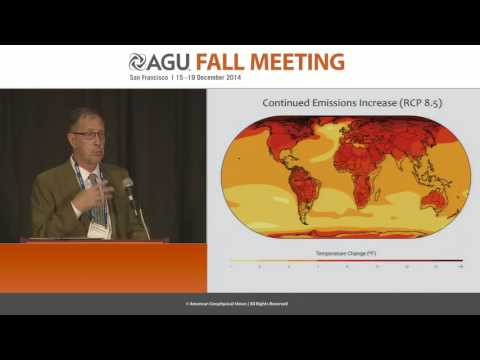
You know that feeling when you walk outside and suddenly it’s freezing, then the next minute you’re sweating like you just ran a marathon? Yeah, that’s climate change messing with our heads. It’s a wild ride!
So here’s the deal: climate change isn’t just some science-y buzzword we hear on the news. It’s real and doing a number on our planet. But, wait—there’s more! People around the world are stepping up to do something about it.
Seriously, from kids making art out of trash to scientists working their tails off researching cool solutions, there’s a whole movement going on. It’s like an army of eco-warriors trying to save the day. And trust me; they’ve got some pretty epic stories to tell.
Let’s chat about what this all means and how folks everywhere are getting involved in this huge challenge—because this isn’t just about polar bears or melting ice caps; it’s about us too!
Understanding the 99.9% Consensus Among Scientists: Key Agreements in Modern Science
So, let’s chat about something that’s been buzzing around for a while: the whole 99.9% consensus among scientists, especially when it comes to climate change science. You might’ve heard that scientists are pretty much on the same page about this stuff—and it’s true! This overwhelming agreement isn’t just some random number; it comes from serious research and years of collaboration across different fields.
First off, what does this consensus mean? It means that when you look at thousands of peer-reviewed studies, nearly all of them agree on a few key points. Let me break down these agreements:
- Climate is changing: The planet is definitely warming up. Temperatures have been rising since the late 19th century.
- Human impact: A significant part of this warming is due to human activities—like burning fossil fuels, deforestation, and other industrial processes.
- Ice melt and sea level rise: Glaciers are melting. Sea levels are rising as a result. This can lead to more flooding in coastal areas.
- Weather extremes: We’re seeing more extreme weather events—think hurricanes, heatwaves, and heavy rainfall. These are becoming more frequent and intense.
This might sound like doom and gloom, but the thing is, understanding these points helps us make informed decisions about our planet’s future. Seriously! When scientists come together to share their research, they contribute to a larger picture that keeps getting clearer: climate change is happening now!
You know what really drives home the point? Personal stories. Like my buddy Sam—he lives in a small coastal town that used to have sandy beaches all year round. But over the past decade or so, he’s noticed his favorite spot disappearing little by little due to rising sea levels. It hits home when you see it in your own backyard!
The global outreach efforts around climate change aim to make this knowledge accessible for everyone—not just scientists in lab coats. Organizations are working hard to communicate these facts through campaigns, social media posts, community events—you name it! They realize that connection is key; getting people involved means they can potentially spark action.
An important part of this outreach focuses on education—especially for younger generations. Schools incorporate climate science into their curriculums so kids grow up understanding what’s at stake and how they can contribute positively.
But wait! There’s often some pushback against this consensus from certain media outlets or groups who maybe don’t want things to change right now. It’s essential for us to question everything but also trust well-established scientific research based on evidence over time.
You see? The 99.9% agreement among scientists isn’t just some fancy statistic—it represents years of dedicated work aiming for a better future for our planet. And maybe if we all pay attention and get involved, we could actually do something incredible together!
Exploring the 7 Pillars of Climate Change: A Scientific Perspective
Sure, let’s take a closer look at climate change through those seven pillars. It’s a pressing issue, and breaking it down could help us understand it better.
1. The Science of Climate Change
So, climate change is basically about how human activities are messing with the Earth’s atmosphere. When we burn fossil fuels like coal or oil, we release a whole bunch of greenhouse gases. Think carbon dioxide and methane—these guys trap heat from the sun and warm up our planet like a big ol’ blanket. It’s like running your car in a closed garage; eventually, it gets stuffy and dangerous.
2. Evidence of Climate Change
There’s loads of evidence showing that our planet is getting warmer. You can look at things like rising average temperatures, melting glaciers, and shifting weather patterns—y’know, more intense storms or longer droughts. Not to mention the rising sea levels! In some places, coastal towns are literally disappearing under water. It can be pretty emotional when you think about communities losing their homes.
3. Impacts on Ecosystems
The effects on wildlife are striking too! For example, polar bears need ice to hunt seals but with melting ice caps, they’re struggling to find food and sometimes even starve. It’s heartbreaking seeing such majestic animals dealing with this crisis because of us.
4. Human Health Risks
Let’s not forget about how climate change can impact our health. Increased heat waves can lead to heat strokes or respiratory issues from worsening air quality. And diseases that were once limited to certain areas are spreading as temperatures rise—things like malaria might start showing up where they weren’t before!
5. Economic Consequences
Now onto money matters—the economy gets hit hard too! Businesses that rely on natural resources might struggle if those resources dry up or become less reliable due to changing climates. Farmers may have to deal with unpredictable weather affecting their crops while industries face higher insurance costs due to climate-related damages.
6. Societal Implications
Socially speaking, changes in climate can lead to major issues like migration or conflicts over dwindling resources (think water scarcity). People might have no choice but to leave their homes in search for better living conditions—this creates what’s called “climate refugees.”
7. Mitigation Efforts
And finally, let’s talk solutions! We can mitigate these impacts by reducing greenhouse gas emissions—like using renewable energy sources such as wind and solar power instead of fossil fuels. Planting trees helps too; they act as natural carbon sinks! So many organizations are working together globally now; efforts are ramping up all around the world.
All in all, understanding these pillars helps emphasize just how intertwined everything is—from the health of our ecosystems to our own livelihoods and wellbeing—all affected by this complex web called climate change.
Exploring the 10 Significant Effects of Climate Change on Global Ecosystems and Human Health
Climate change is this big deal that’s affecting not just the planet but also us, the humans living on it. So let’s unpack some of the significant effects of climate change on our ecosystems and health, okay?
- Rising Temperatures: Global temperatures are climbing. You know how a hot summer can make you feel drained? Well, it’s like that but for all living things. Animals and plants struggle to adapt, leading to changes in their habitats.
- Melting Ice Caps: The polar ice is disappearing at an alarming rate. Polar bears are having a rough time as they lose their hunting ground. Think about it: if you lived somewhere and suddenly your home started melting away, how would you feel?
- Ocean Acidification: The oceans are getting more acidic as they absorb CO2. This affects marine life, especially creatures like corals and shellfish. And you know how coral reefs are basically underwater cities for fish? If they go, a whole ecosystem suffers.
- Extreme Weather Events: We’re seeing more hurricanes, floods, and droughts now than before. Just picture a town recovering from a flood one year only to face a drought the next. It creates food shortages and economic instability.
- Biodiversity Loss: Many species can’t keep up with the rapid changes in their environment. This can lead to extinction—a sad reality when you think about unique animals or plants disappearing forever!
- Pests and Diseases: Warmer temperatures can increase the spread of pests and diseases that affect crops and even human health! Remember those pesky mosquitoes? Warmer weather means they could be around longer, spreading illnesses like malaria.
- Agricultural Impact: Farming is heavily influenced by climate conditions. Droughts or floods can wipe out crops in no time! Farmers are already feeling this crunch as unpredictable weather makes planning really hard.
- Freshwater Scarcity: As glaciers melt and precipitation changes, some regions might face water shortages while others might be flooded with too much rain! Imagine trying to sip water during a drought—it’s stressful!
- Affecting Human Health: Air pollution due to climate change worsens respiratory issues like asthma. When air quality goes down, it directly hits our lungs—seriously not cool.
- Mental Health Effects:The stress of dealing with climate-related disasters can also impact mental health. It’s tough losing your home or community! People often feel anxious about what the future holds—and that worry isn’t just going away anytime soon.
The bottom line is that climate change is like an ever-growing snowball effect; it keeps rolling and getting bigger while impacting everything in its path—from ecosystems to our very own health. And hey, we all share this planet together—so understanding these effects helps us figure out what we can do next!
You know, when we think about climate change, it can feel a bit overwhelming. It’s like staring at a massive puzzle but missing a bunch of pieces. There are scientists working hard to understand how our planet is changing and what it means for all of us. They’re like detectives piecing together clues from the atmosphere, oceans, and even glaciers.
I remember a rainy day back in college when I stumbled into this lecture on climate science. Honestly, I wasn’t super excited to be there at first—who really is when it’s pouring outside? But as the professor talked about how our choices impact ice caps melting and sea levels rising, it hit me. Like, this isn’t just some boring lecture; it’s the future of our world unfolding right before my eyes! The energy in that room was palpable—like everyone was suddenly awake and aware.
Okay, so here’s where it gets interesting: scientists aren’t just holed up in labs anymore. They’re out there trying to share what they’ve learned with people across the globe. You’ve probably heard about initiatives that get communities involved in conservation or renewable energy projects. It’s pretty cool to see how global outreach efforts are working hand-in-hand with scientific findings.
But you have to wonder sometimes—are these efforts enough? Climate change is such a complex beast, and while many organizations are doing great work spreading the word, there’s still a lot of misinformation out there. And let’s not forget those who are skeptical about climate science; they can make it tough for real progress to happen.
What I’ve noticed though is that storytelling plays a huge role in all this. When scientists talk about climate change through personal stories or relatable examples, people seem more inclined to listen. It’s like when someone shares a personal experience rather than just rattling off facts—it just sticks with you better!
Look, the reality is we all have a part to play in this mess we’ve gotten ourselves into. Whether it’s reducing waste or advocating for greener policies, every little bit counts! Global outreach efforts aim not just to inform but also inspire action—and that’s where real change begins.
So yeah, reflecting on climate change science and these outreach efforts reminds me that while things might seem dire at times, there’s hope out there too! It’s all about bringing awareness into action and making connections among communities worldwide because ultimately? We’re all in this together!