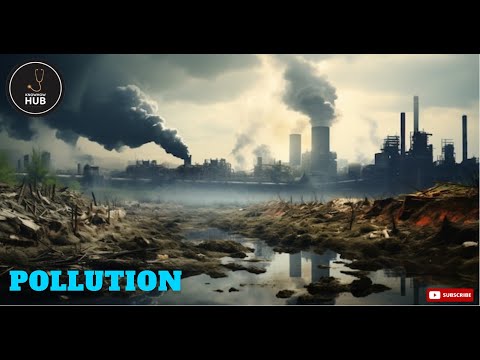
So, the other day, I was walking through my neighborhood park, right? And I spotted this poor duck. It was just chilling in a pond that looked more like a green smoothie than water! Like, come on! Ducks are supposed to float comfortably, not wonder if they’re going to get a mouthful of algae.
Anyway, that got me thinking about pollution. It’s crazy how it sneaks into our lives and messes with everything—from those cute ducks to us humans. You might think that it’s just a big city problem, but honestly? It touches us all, everywhere.
So, what’s the deal with pollution anyway? It’s not just some fancy word scientists toss around. It’s out there affecting ecosystems and our health in ways we don’t often realize. Seriously! Let’s chat about the hidden dangers lurking below the surface.
Understanding the Impact of Environmental Pollution on Human Health: A Scientific Perspective
Environmental pollution is one of those things we often hear about but don’t always fully grasp. You know that feeling when you step outside and the air just feels heavy? That’s not your imagination. Air pollution, along with water and soil contamination, can have some serious impacts on human health.
First off, let’s talk air quality. When we think about pollution, it often involves things like car emissions or smoke from factories. These pollutants can lead to respiratory problems. Ever notice how people with asthma seem to struggle more on smoggy days? That’s not a coincidence. Pollutants like nitrogen dioxide and particulate matter can exacerbate their condition, leading to decreased lung function over time.
Then there’s the issue of water pollution. Contaminants from industries often find their way into rivers and lakes, and guess what? Fish absorb these toxins. If you’re a fan of sushi, you might want to think twice sometimes! Consuming contaminated fish can expose you to harmful substances like mercury, which can affect brain development in children.
And don’t forget about soil! When pesticides seep into the ground, they alter the natural balance of ecosystems. This not only harms plants but also affects the food we grow and eat. You might end up with fruits and veggies that carry a toxic load themselves. Imagine biting into an apple that sounds healthy but is loaded with chemicals!
But wait, it doesn’t stop there. There’s also this concept called bioaccumulation, where organisms at the bottom of the food chain take in pollutants over time. Then larger animals eat these smaller ones, concentration building up as you go up the food chain. It’s like a twisted game of telephone where everyone gets unhealthy in the end!
You might be thinking: “What can I do?” Awareness is key here! Supporting cleaner energy sources or using public transport whenever possible helps cut down on emissions—so every little bit counts! Also, advocating for policies that protect air and water quality really makes a difference.
Finally, mental health is another aspect people often overlook when discussing pollution. Living in polluted areas can lead to stress and anxiety—definitely something worth considering when looking at overall well-being.
In short: Pollution isn’t just an environmental issue; it directly impacts our health too in ways we can’t always see right away. If everyone pitches in towards cleaner living habits today, we could pave a better future for ourselves—and for generations to come!
Exploring the Impact of Pollution on Environmental Health: Scientific Insights and Implications
Pollution, man, it’s everywhere. Whether it’s the air we breathe or the water we drink, it has a sneaky way of creeping into our lives, right? And honestly, the impact on both our health and the environment is huge. So let’s break it down a bit.
First off, there’s air pollution. That stuff you see floating around when you’re driving through a city? Yeah, that’s usually particulate matter and other toxic gases. Breathing in polluted air can lead to serious health issues like asthma or even heart problems. Studies show that kids who grow up in high-pollution areas might end up with decreased lung function. Can you imagine that?
Then we have water pollution. This one hits home because water is essential for life. Industrial waste often finds its way into rivers and lakes, affecting aquatic life and making water unsafe to drink. Ever heard of algal blooms? They’re caused by nutrient runoff (like from farms) and can produce toxins harmful to humans and animals alike. It’s like a double whammy for both ecosystems and our health.
Another sneaky culprit is soil pollution. You know those chemicals used in agriculture? Well, they can seep into the ground and contaminate everything from food crops to groundwater. Eating contaminated food can lead to various health problems over time—even things like cancer! So yeah, what goes into the soil affects not just plants but also us indirectly.
But let’s talk about how all this connects to ecosystems. Pollution disrupts natural habitats and biodiversity. Think about it: when an animal’s habitat is contaminated or destroyed due to pollution, their entire food chain is affected. Animals might migrate elsewhere or even become endangered! It’s kind of heartbreaking when you think about species disappearing because we didn’t pay attention to our waste habits.
On top of all this, urban areas tend to face more severe impacts than rural ones because of population density and industrial activity. More people means more waste—whether it’s garbage or emissions—leading to a vicious cycle that harms environmental health over time.
And here’s where it gets really interesting—there are also socio-economic implications tied up with pollution levels. People living in poorer neighborhoods often face higher exposure rates due to less regulatory oversight, which isn’t fair at all! This discrepancy shows just how intertwined economic status and environmental impact are.
So what do we do about this mess? You’ve got individual actions like recycling or using public transport that can help reduce pollution levels on a personal level—and believe it or not—it adds up! But there are also larger scale solutions involving policy changes at government levels focused on sustainable practices.
In conclusion—and I know that’s a big word—the hidden dangers of pollution aren’t just “something we read about”; they’re happening right now and affecting our lives every day! By understanding these connections better, we have a chance not only to protect ourselves but also the planet we call home. It all starts with awareness—so spread the word!
Exploring the Top 10 Effects of Environmental Pollution: Insights from Scientific Research
Alright, so environmental pollution is one of those things that just creeps up on us, right? You might not think about it every day, but its effects are all around. Let’s break down the top 10 effects of pollution on ecosystems and health, as shown by scientific research.
- Affects Human Health: Pollution is a major player when it comes to respiratory diseases. Breathing in polluted air can lead to chronic conditions like asthma or even lung cancer. It’s like welcoming unwanted guests into your lungs.
- Water Quality Degradation: When pollutants like chemicals and plastics seep into rivers and oceans, it messes with water quality. This means unsafe drinking water and can kill aquatic life. Imagine fish swimming in soup instead of crystal-clear water!
- Biodiversity Loss: Different species struggle to survive in polluted environments. This means fewer plants and animals because their homes get contaminated or destroyed. Picture a forest where trees can’t thrive or a coral reef that’s bleached and dying.
- Increased Climate Change: Pollutants like greenhouse gases trap heat in the atmosphere, leading to global warming. We see more extreme weather patterns as a result—think hurricanes getting stronger or droughts lasting longer.
- Soil Contamination: Heavy metals from industrial waste end up in the ground, making it hard for plants to grow. Not only does this affect food crops, but it also impacts the entire food chain. You wouldn’t want to eat veggies grown in toxic soil!
- Affects Mental Health: Believe it or not, living near polluted areas can lead to increased anxiety and depression levels. Studies show that air pollution links with cognitive decline as well—your brain deserves cleaner air!
- Ecosystem Imbalance: Pollution can disrupt food webs and ecological relationships between species. For example, if one species dies out due to pollution, it might affect others that rely on it for food—like a domino effect.
- Toxins in Food Supply: Contaminated water often leads to tainted seafood or produce that we consume without even knowing! Eating these toxins over time can lead to serious health issues—not what you bargained for at dinner time!
- Migratory Patterns Disruption: Many animals rely on specific habitats that are now being polluted. Birds migrating through certain areas may lose their way due to environmental changes caused by pollution—poor little guys just trying to find home!
- Cultural Effects: Many communities face cultural loss when their environment is damaged by pollution—it’s hard to celebrate traditions tied closely with nature when the natural world is suffering.
The thing is, each effect isn’t just an isolated incident; they all connect back together like pieces of a puzzle! So next time someone mentions environmental pollution, remember—it’s not just about dirty air or trash on the streets; it’s about our health, our planet’s future, and everything we hold dear.
You know, pollution is that sneaky troublemaker hanging around in our lives. We often think about it in terms of smoggy cities or littered parks, but there’s way more to it than meets the eye. I remember one time I went hiking in this beautiful spot, and I was just soaking in the fresh air, feeling all zen. But then, I noticed a bunch of plastic bottles and wrappers tucked away in the bushes. It hit me hard—this place, so untouched and tranquil, was being invaded by human waste. It made me realize how interconnected everything is.
When we talk about pollution’s impact, it stretches far beyond your runny nose or watery eyes. The thing is, pollution messes with ecosystems at every level. From tiny bugs to massive trees, everything can feel the effects of chemical runoff and air pollutants. For instance, have you ever thought about how pesticides used on crops can end up drifting into nearby water sources? Fish and other aquatic life can suffer terribly because of that. And when these little guys get impacted, it creates a ripple effect all the way up the food chain—eventually affecting us too!
And speaking of health—let’s not forget that pollution isn’t just a problem for wildlife; we’re right in the line of fire too. Breathing in toxic air? Yup, that can lead to all sorts of problems like asthma or even worse conditions down the line. Have you ever noticed how smelly foggy days seem to make everyone feel kinda sluggish? That’s your body reacting to all those impurities hanging out in the atmosphere.
But here’s where it gets really heavy: vulnerable communities often bear the brunt of this mess. Think about it—people living near industrial sites or landfills may have no choice but to deal with contaminated water and soil. It’s heartbreaking that where you live determines how healthy you might be.
So yeah, while we might see pollution as an “out there” problem—like something we’ll address tomorrow—it creeps into our lives now and threatens our ecosystems and health every day. And honestly? It makes you want to do something about it! Because if we don’t take action now for ourselves and for nature—even those hidden cornerstones like bees or microorganisms—we could lose them forever…and all for what? A few extra seconds of convenience? Let’s not let that happen!