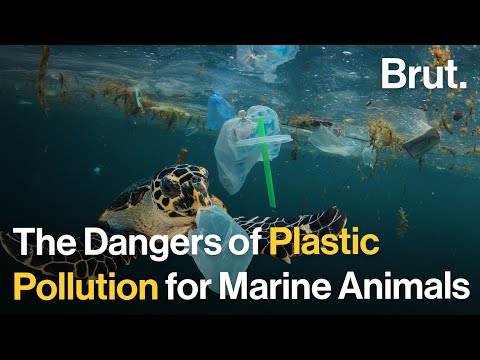
You know that feeling when you find a weird sock in your beach bag? Like, how did it even get there? Now imagine if instead of a sock, you found a plastic bottle or, worse yet, that pesky six-pack ring.
Yeah, plastic pollution is kinda like that—unexpected and super annoying! Every year, millions of tons of plastic end up in our oceans. It’s not just some far-off problem; it’s affecting the fish we catch and even the beaches we love hanging out on.
And let’s be real—who wants to swim alongside a floating pile of trash, right? It’s kinda gross to think about. But the thing is, those tiny pieces of plastic can cause some serious trouble for marine life. So grab your sunscreen and let’s chat about how this whole situation works. You’ll be surprised at just how deep this rabbit hole goes!
Understanding the Impact of Plastic Pollution on Marine Ecosystems: A Scientific Exploration
So, let’s chat about plastic pollution and how it messes with our oceans. Seriously, it’s a big deal. Ever strolled along a beach and spotted bits of plastic instead of shells? Well, that’s just the tip of the iceberg.
Plastic doesn’t just vanish. It breaks down into tiny pieces called microplastics. These little guys are everywhere now—from the deepest ocean trenches to Arctic ice. And they’re not harmless. Marine animals often mistake them for food, which is super dangerous! Can you imagine a sea turtle munching on a plastic bag thinking it’s a jellyfish? Yikes!
Next up, let’s look at how plastic affects marine life more broadly. It gets tangled in nets and debris, harming creatures like seals and seabirds. When these animals struggle to escape or accidentally eat plastic, their health tanks—sometimes leading to death. And it doesn’t stop there; when predators eat those injured creatures, the plastics move up the food chain.
It’s not just physical harm, though. Pollution can also introduce harmful chemicals into marine ecosystems! Plastics can leach toxic substances like BPA and phthalates into the water, affecting fish reproduction and growth rates. You’d think these fish had enough challenges without having to deal with chemical soup!
Plus, let’s not forget about coral reefs—those colorful underwater gardens that are super important for biodiversity. Plastic pollution can smother corals and weaken their resilience against climate change stressors like warming waters and acidification.
But here’s something that might give you hope: people are starting to wake up! Organizations around the globe are rallying together to clean our oceans and reduce plastic waste. Some places have even banned single-use plastics altogether! Small steps matter when it comes to protecting our blue planet.
So yeah, the impact of plastic pollution on marine ecosystems is a serious issue but there’s definitely room for change if we all pitch in! Keep your eyes open next time you’re by the water; every little action counts in keeping those seas clean for all living beings out there!
Exploring the Impact of Plastic Pollution on Marine Ecosystems: An In-depth Analysis
Plastic pollution is a huge, ongoing problem for our oceans and the creatures living in them. It’s shocking to think that millions of tons of plastic end up in the sea every year, you know? If you’ve ever seen a beach littered with plastic bottles or bags, you might have felt that twinge of sadness. That feeling is justified, because this pollution has real consequences for marine ecosystems.
When plastic enters the ocean, it doesn’t just vanish. Instead, it breaks down into smaller pieces called microplastics. These tiny bits can be as small as a grain of rice or even smaller! Marine animals often mistake these microplastics for food. Imagine a fish chomping down on something it thinks is delicious, only to find out it’s just a tiny piece of plastic. This ingestion can lead to serious health problems for these creatures. Some may suffer from internal injuries or malnutrition because they’re filling their stomachs with stuff that isn’t real food.
But there’s more than just the fish at play here! When larger marine animals eat these fish—like seabirds or dolphins—they end up ingesting plastics too. And get this: plastic doesn’t just affect individual animals; it can disrupt entire food chains. A sick fish can mean a sick bird or mammal down the line.
Let’s not forget about coral reefs either! They’re like bustling underwater cities filled with diverse life and they’re super sensitive to changes in their environment. Plastics can smother reefs directly or introduce harmful chemicals into the water as they break down. This could lead to coral bleaching, leaving reefs vulnerable and less able to support all those colorful fishes and creatures you love seeing in documentaries!
Another point worth mentioning is coastal communities which often rely on healthy oceans for fishing and tourism jobs. If marine life suffers due to plastic pollution, these communities feel the economic pinch too! Who wants to visit a beach covered in trash? Not many people, I bet.
On top of everything else, there are also dangerous chemicals associated with plastics that can leach into the water over time. Plastic products often contain additives like BPA, which can interfere with hormones in living organisms. This poses risks not only for marine life but also potentially for humans who consume seafood.
And let’s face it—the longer we ignore this problem, the worse it’ll get. Every piece of plastic that finds its way into our oceans is like adding another stone onto an already heavy load that marine ecosystems are carrying.
So what can we do about all this? While individual actions like reducing your own plastic use are great steps—you know, using reusable bags instead of single-use ones—change really needs to happen on a larger scale too!
Government policies aimed at reducing plastic production or encouraging recycling could make a big difference as well as supporting organizations dedicated to cleaning up our beaches and oceans while raising awareness about plastic pollution.
But hey, having conversations about this stuff helps too! So when you’re chilling at your next gathering and someone brings up ocean issues—don’t hold back! Share what you know about how seriously harmful **plastic pollution** is for marine ecosystems—it just might make someone think twice before grabbing that single-use cup at their favorite café again!
Impact of Plastic Pollution on Marine Ecosystems: An In-depth Scientific Analysis
So, plastic pollution in our oceans, huh? It’s a big deal. Like, really big. You might think it’s just a few bottles floating around, but it’s way more serious than that. Let’s break it down.
First off, **plastic doesn’t just disappear**. Once it gets into the ocean, it can take hundreds of years to break down. So when you see those cute sea turtles munching on plastic bags thinking they’re jellyfish, that’s not just sad—it’s dangerous!
And this is where things get tricky. When marine animals ingest plastic, it can block their intestines or even lead to starvation. Imagine being full but for all the wrong reasons! Fish are especially vulnerable because they don’t often recognize plastic as something harmful.
Then there are these tiny bits of plastic called **microplastics**. These are small particles that come from bigger plastics breaking down or even from products we use every day like facial scrubs and toothpaste. Once they’re in the water, fish eat them and then we end up eating those fish. That feels a bit like an unwanted surprise in your sushi roll!
Another thing to consider is how **plastic can affect marine ecosystems** as a whole. Think about coral reefs—those vibrant underwater cities are already dealing with climate change and acidification. Now add plastic to the mix! It can smother corals, block sunlight needed for photosynthesis, and serve as homes for invasive species that mess everything up.
And did you know about **toxic chemicals**? Yup! Plastics aren’t just innocuous pieces of junk; they often leach harmful chemicals into the water over time. These toxins accumulate in marine life—and guess what? They work their way up the food chain pretty easily.
But let’s not forget about the larger creatures too. Species like whales might mistake large chunks of plastic for food—imagine swallowing a beach ball! And when this happens more often than you’d think—lots of these majestic animals face health issues or even death.
So what can we do? Well, raising awareness is key! Clean-up drives help reduce visible pollution while pushing for better recycling practices can prevent new plastics from entering our oceans.
In summary:
- Plastic takes centuries to decompose.
- Marine animals confuse plastic with food.
- Microplastics end up in fish—and possibly on your plate.
- Coral reefs suffer from smothering and toxic chemicals.
- Larger creatures face threats from swallowing plastics.
The bottom line? We’ve got to be mindful about what we use and throw away. It really matters not just for us but for all those fabulous creatures swimming below the waves!
You know, every time I’m at the beach, I can’t help but feel a mix of awe and sadness. The waves crashing against the shore, the salty breeze—it’s just beautiful. But then, you notice those bits of plastic washed up alongside seashells. It’s like finding a sad reminder that our oceans are in trouble.
Plastic pollution is a huge deal for marine ecosystems. I mean, think about it: every year, millions of tons of plastic end up in our oceans. That’s like dumping a garbage truck full of plastic into the sea every minute! And it really messes with marine life. Turtles choke on plastic bags thinking they’re jellyfish; fish get tangled in six-pack rings; seabirds swallow tiny pieces and fill their stomachs without any actual food. It’s heartbreaking.
In fact, I remember this one time when I went diving with some friends. We were so excited to see colorful fish and coral reefs, but there were just so many plastic bottles floating around. Instead of appreciating the beauty under the sea, we spent half our time trying to clear out trash! You can’t help but feel frustrated—like we’re not only losing these ecosystems but also actively harming them.
What gets me is that plastic doesn’t really disappear. It breaks down into smaller pieces called microplastics which can linger for years—forever, really! These tiny bits find their way into the stomachs of marine creatures and creep up the food chain until they get to us humans too. Yikes! It’s like we’re accidentally eating our own trash.
I sometimes wonder what future generations will think about how we treated our planet—or if they’ll even have these beautiful ocean scenes to enjoy at all. It’s easy to feel overwhelmed by such a big problem; it can feel hopeless at times. But on a personal level? We can make choices daily that add up: using reusable bags, cutting back on single-use plastics, and supporting clean-up initiatives.
Maybe if we all pitched in just a little bit? We could do something pretty incredible together for these oceans we love so much… Who knows? With small steps today, maybe there’s hope for healthier marine ecosystems tomorrow!