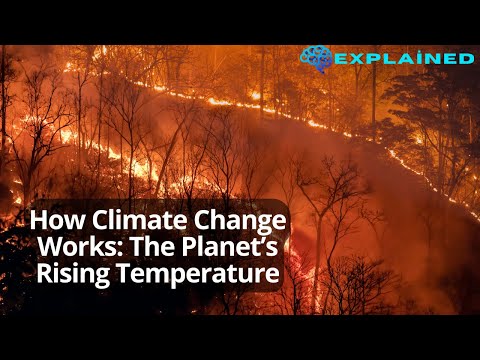
So, let’s talk about the weather. It’s that thing we can’t stop chatting about, right? You know, my grandma used to say, “If you don’t like the weather, just wait five minutes.” But what if that five minutes turned into a whole decade of sweltering heat? Yikes!
Honestly, it feels like every summer is getting hotter than the last. You’re sweating just walking to your car, and then there’s news about wildfires or hurricanes. It’s wild how our planet is like this big, complicated machine. And when one part heats up, everything else starts to change too.
You might be wondering how rising temperatures affect us and everything around us. Well, it’s not just about cranking up the AC or sipping iced tea! It ripples through ecosystems, communities, and even those adorable polar bears you see in documentaries.
So grab a comfy seat—this is gonna be a ride through this fiery mess we call climate change!
Impact of Rising Temperatures on Global Climate Systems: An In-Depth Analysis
So, let’s talk about rising temperatures and their impact on our planet’s climate systems. You’ve probably noticed how it feels hotter during summer or how storms have become more intense. Well, that’s not just in your head. The thing is, global temperatures are on the rise, and it’s affecting everything around us.
First off, what causes these rising temperatures? It mainly boils down to greenhouse gases like carbon dioxide and methane. Activities like burning fossil fuels for energy and deforestation release these gases into the atmosphere. They trap heat from the sun, kind of like a thick blanket wrapped around the Earth. This process is known as the greenhouse effect.
- Weather Patterns: With increasing temperatures, weather patterns get all wonky. For example, some places experience floods while others suffer droughts. Rainfall becomes less predictable.
- Ocean Temperatures: Warmer air heats up oceans too! This leads to coral bleaching, where those colorful reefs lose their vibrancy due to stress from heat and acidity.
- Sea Level Rise: Ever notice how your favorite beach is looking a bit different? Melting ice caps and glaciers contribute to rising sea levels, which can lead to coastal erosion and flooding in low-lying areas.
- Biodiversity Impact: Rising temperatures put stress on plants and animals too. Many species struggle to adapt quickly enough to changing climates. For instance, polar bears are losing their habitat as sea ice melts.
- Agricultural Changes: Different crops react uniquely to temperature changes. Some might thrive in warmer conditions while others could fail to produce well, leading to food scarcity in certain regions.
You might remember a story about farmers trying to grow certain crops that just couldn’t make it because of erratic weather patterns—and that’s becoming more common! It’s affecting livelihoods everywhere.
You know what else? Natural disasters! Heatwaves are becoming more frequent and intense; you could even say they’re breaking records every other summer! Increased intensity of hurricanes can be linked back directly to warmer waters that fuel them.
This warming doesn’t happen overnight but builds over years and decades. So while we may not feel every change personally right away, they do stack up over time—like dropping a pebble into a pond; it creates ripples that spread out further than you’d expect!
The important takeaway is this: Rising temperatures affect everyone—whether you live near coastlines or inland cities—and tackling this issue requires collective efforts worldwide!
More awareness means better actions towards solutions: using renewable energy sources, conserving forests, or adopting sustainable farming practices can help mitigate some effects of climate change while keeping our planet healthy for future generations.
The reality is complicated but working together can lead us toward solutions that benefit both people and nature. Let’s keep asking questions and finding ways to make things better!
Analysis of the Global Temperature Graph Over the Past Million Years: Insights from Climate Science
Hey, let’s talk about the global temperature graph over the last million years. It’s a wild ride when you look at how our planet’s temperatures have changed. Basically, it’s like a rollercoaster with some serious ups and downs, influenced by a bunch of different factors.
So, first off, you might be asking, what does this graph really show? Well, it gives us a pretty clear picture of Earth’s climate history. For most of the last million years, we’ve been in an ice age cycle. This means there were periods where things were super cold—like glaciers covering large parts of the planet—and then warmer interglacial periods when those glaciers melted back.
One striking thing is how quickly temperatures can change. If you look at certain spikes in the graph, you’ll see that shifts like these can happen in just decades or centuries. Imagine if all of a sudden your hometown was five degrees warmer every summer—it’d be a big deal!
Now let’s chat about what caused these changes over time. Natural factors, like volcanic eruptions and changes in Earth’s orbit around the sun (yep, that one’s called Milankovitch cycles), have played huge roles too. Volcanic eruptions can release tons of ash and gases into the atmosphere, which cools things down temporarily. On the flip side, more sunlight hitting us because of our orbit can heat things up.
But here’s where it gets really interesting: in recent history, since about 1850 or so with industrialization kicking off, we’ve seen a steep rise in temperatures that doesn’t fit that natural cycle anymore. This is largely due to human activity—burning fossil fuels and deforestation are major culprits here.
And you know what? You might’ve heard about how carbon dioxide (CO2) levels have skyrocketed because of this stuff. The graph shows CO2 levels now are way higher than they’ve been for hundreds of thousands of years! It’s like we’re playing with fire here; increasing CO2 levels lead to more heat being trapped on our planet.
Now let’s dive into some effects these rising temperatures have on global climate systems:
- Melting Ice Caps: As temperatures rise, ice caps are melting faster than ever before. This is causing sea levels to rise and affecting coastal communities.
- Extreme Weather: You might notice more intense storms or heatwaves lately? Yup! Climate change is making weather patterns less predictable.
- Ecosystem Disruption: Many plants and animals are struggling to adapt quickly enough to changing conditions. Some species are facing extinction!
- Agricultural Impacts: Crops rely on steady weather patterns; unpredictable climates can threaten food security around the globe.
I remember reading about polar bears—their habitats are melting away as ice shrinks each year. It’s heartbreaking to think about how climate change affects entire species and ecosystems.
In essence, looking back at this temperature graph helps us understand not just where we’ve been but also where we’re headed if things don’t change soon—it’s kind of like looking at an old map before setting out on your journey! We’ve got to be aware and ready to tackle these challenges together because our actions today will shape tomorrow’s climate reality.
So yeah—the data doesn’t lie: we need to listen to what it’s saying loud and clear!
Exploring the 10 Key Effects of Climate Change: Insights from Scientific Research
Climate change is like that friend who shows up uninvited and messes everything up. You know? It’s all about rising temperatures and how they shake things up in our global climate systems. Let’s break it down into ten key effects—kind of like the top ten hits, but way less fun.
- Heatwaves: Rising temperatures mean we get more intense heatwaves. Picture this: a summer day where it’s just unbearable outside, and you can’t even think straight. That’s how heatwaves affect our daily lives.
- Melting Ice: The polar ice caps are melting at an alarming rate. Imagine your favorite frozen drink melting faster than you can sip it! This melting contributes to rising sea levels, which, let’s be honest, is not good news for coastal cities.
- Sea Level Rise: With ice melting, ocean levels are creeping higher. If you’re living near the coast, that’s like watching a slow-motion disaster unfold! It leads to flooding and threatens habitats for both people and wildlife.
- Stronger Storms: Warmer air fuels more powerful storms. Think about how a gentle breeze suddenly becomes a hurricane; it’s all connected to temperature changes! These storms cause devastation and disrupt communities.
- Droughts: On the flip side of storms are droughts. Higher temperatures can dry out soils quicker than before. It’s like that moment when you accidentally burn your toast—it just goes from fine to charred in no time!
- Ecosystem Disruption: Animals and plants struggle to adapt to new temperature norms, which messes with food chains. For example, some species might move to cooler areas, disrupting their natural habitats like shifting pieces in a game of chess.
- Agricultural Issues: Farmers face unpredictable weather patterns affecting crop yields. It’s tough trying to grow food when your season feels more like a guessing game than reliable farming!
- Your Health Matters: Heat increases can lead to heat strokes and respiratory issues from poor air quality. Just think about how draining it feels when it’s super hot outside; some folks can’t handle it well at all.
- Water Scarcity: As droughts hit harder, fresh water becomes scarce in some regions—like finding the last chip in the bag when everyone wants one! This scarcity affects drinking water access for many communities.
- Biodiversity Loss: Many species could face extinction as their habitats change or disappear completely due to rising temps—a real loss for biodiversity in our planet’s ecosystem.
So there you have it—ten effects of rising temperatures on global climate systems laid out plain and simple. Each point connects with the next in this chain reaction that is climate change. And guess what? Understanding these impacts isn’t just important; it’s kind of essential if we’re going to figure out what we need to do about it moving forward!
So, let’s chat about rising temperatures and what they’re doing to our planet’s climate systems. You know, it’s not just a number on a thermometer anymore; it’s affecting everything around us—our weather patterns, ecosystems, and even those precious little critters we adore.
I remember the summer of ’92—seriously hot! I was just a kid in the backyard with my friends, trying to keep cool with water balloons. But now? It feels like every summer we’re breaking records. It makes you think, right? How much longer can this go on before it really starts messing things up?
Basically, as temperatures rise, we’re seeing some wild shifts in weather. More heat means more evaporation from oceans and rivers, which can lead to bigger storms or heavier rainfall in some places while leaving others dry as a bone. Crazy unpredictable weather becomes the norm. Imagine planning your picnic only to find out it might rain cats and dogs out of nowhere!
And don’t even get me started on ice melting! Glaciers are disappearing faster than my patience when waiting for my coffee to brew. That affects sea levels too. Coastal cities could face some serious challenges if water levels keep creeping up.
Oh! And how about our friends in nature? Wildlife is adapting—or trying to—like birds that change migration patterns because their food supply is shifting with the seasons. Some plants can’t keep up with all this change either, which could mess with entire ecosystems.
So yeah, rising temperatures are kind of like that unwelcome guest at a party who keeps cranking up the heat. We’ve got to start thinking seriously about how we balance our activities with nature’s rhythms because when those go off beat? Well, we’re all going to feel the consequences sooner or later. It makes you want to do better for not just ourselves but also for future generations who’ll inherit this beautiful but fragile Earth.