So, picture this: you’re chilling with a buddy, right? And they suddenly mention something called Subclavian Steal Syndrome. You might blink a couple of times and think, “What? Is that like a heist for your arteries or something?” I mean, it kinda sounds like something straight out of a medical thriller!
But seriously, this isn’t about robbing blood flow; it’s all about how our body’s plumbing sometimes goes a little rogue. When the subclavian artery gets blocked, things get interesting. Blood starts doing this twisty-turny dance you wouldn’t expect.
And guess what? There are some wild radiological implications that come with it! That’s where the brainy imaging tech comes into play. You know, those scans that look like magic to us non-medical folks but hold all the answers for docs?
So come along as we unravel this curious case together. We’ll dive into what makes Subclavian Steal Syndrome tick—without losing our heads (or our blood flow)!
Subclavian Steal Syndrome: Insights from Radiological Imaging in Vascular Medicine
Subclavian Steal Syndrome is a pretty intriguing condition, don’t you think? It happens when there’s a blockage in one of the subclavian arteries, which are those big blood vessels that run under your collarbone. This blockage leads to some crazy stuff—mainly, it messes with blood flow and can cause the body to “steal” blood from one arm to keep the brain happy.
So here’s how it goes down. When there’s a blockage, instead of flowing normally through the artery, blood gets rerouted. Picture your body as a highway system. If there’s a traffic jam on one road (the blocked artery), vehicles (blood) will take some back roads (collateral circulation) to get around it. That’s where the term “steal” comes from—blood is diverted from areas it should go to help supply other regions.
Now, what’s super important here is that radiological imaging plays a big role in diagnosing Subclavian Steal Syndrome. Doctors rely on various imaging techniques like ultrasound or CT angiography to see what’s happening within those arteries. Anyone who’s had an ultrasound knows it’s not so intimidating—just like getting your belly checked out, right?
Here are some key points about how radiological imaging helps:
- Identification of Blockages: Imaging allows doctors to spot where the blockages are located. For example, they can see if there’s plaque buildup causing trouble.
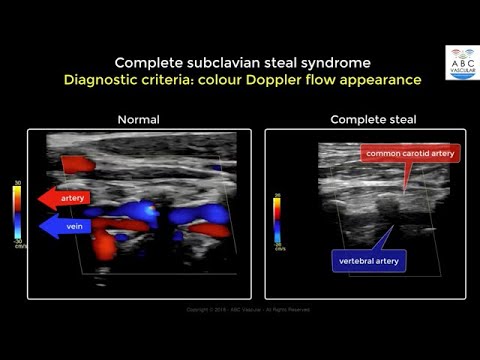
- Doppler Ultrasound: This nifty technique assesses blood flow and flow patterns. They can see if there’s reverse flow in certain arteries, which directly indicates steal syndrome.
- CT Angiography: This provides detailed pictures of blood vessels. It shows not only blockages but also collateral pathways—the detours we talked about earlier.
- MRI: Sometimes used for more complex cases; MR angiography can create images that highlight any abnormal flow without using radiation.
Let me throw in an example to make this clearer! Imagine you’re at a concert in the front row, and someone steps on your foot while trying to get by. You might shift your weight and lean into your neighbor for support—that’s sort of how the body reacts when there’s a blockage in blood flow.
Symptoms of Subclavian Steal Syndrome can range from dizziness and fainting spells to arm weakness or even pain during activities (like lifting weights at the gym). Having such symptoms? It could be worth checking with a medical professional—you know?
In all seriousness though, detection is key. The earlier you catch these issues through quality imaging techniques, the better chance you have at managing symptoms effectively before they lead to more severe problems like stroke or transient ischemic attacks.
So next time you hear about something called Subclavian Steal Syndrome, remember: it’s not just fancy medical jargon; it’s really about how our bodies navigate challenges with clever solutions—even if it means borrowing resources from one place to keep another area functioning smoothly!
Understanding Subclavian Steal Syndrome: Key Symptoms and Clinical Implications
Sure! Let’s chat about Subclavian Steal Syndrome. It sounds technical, but hang tight! I’ll break it down for you.
So, Subclavian Steal Syndrome happens when there’s a blockage in one of the main arteries that supplies blood to your brain and arms, which, in this case, is the subclavian artery. What happens is pretty wild: blood gets “stolen” from the brain to compensate for that blockage. Like, if you think of your blood vessels as highways, a detour is created that reroutes blood flow in a way that’s not cool for your noggin.
Now, let’s talk symptoms. You might wonder what signs to look out for. Here are some of the key ones:
- Dizziness or Lightheadedness: When you stand up quickly or make sudden movements.
- Weakness in an Arm: Often the arm on the side with the blocked artery might feel weaker.
- Numbness or Tingling: You could notice unusual sensations radiating from your shoulder down to your fingers.
- Vision Problems: Blurry vision or even double vision could pop up too.
Imagine this: You’re just chilling at home when suddenly you feel dizzy or your hand starts going numb while you’re reaching for some popcorn. Not great! These symptoms can often be subtle at first, so it’s easy to brush them off as nothing serious.
Now let’s get into the clinical implications because they’re super important! If someone has these symptoms and they get checked out (which they totally should), doctors might use imaging tests like ultrasound or CT scans to look closer at those arteries.
The goal here? To see if there’s a blockage in the subclavian artery and determine how bad it is. Sometimes treatment could involve medication to manage symptoms or even surgery if things are more serious—like a stent placement that keeps blood flowing nicely.
You know what’s honestly crazy? The brain depends on steady blood flow to function well. So when that flow is interrupted like this, it can lead to bigger problems later on—things like strokes or chronic pain.
It’s interesting how something can seem so normal one minute and then turn into something that needs attention pronto. Whenever any of these symptoms pop up—don’t hesitate; get them checked out! After all, our bodies communicate with us all the time; we just need to listen.
So there you have it—a little window into what Subclavian Steal Syndrome is all about! Keep those vibes healthy and take good care of yourself—and always be aware of what your body might be trying to tell you.
Comprehensive Approaches to Treating Subclavian Steal Syndrome: Insights from Vascular Science
Subclavian Steal Syndrome is a condition that happens when blood flow in one of your subclavian arteries is reversed. To put it simply, you’ve got two main arteries on each side of your neck. These are like highways delivering blood to your arms and brain. So, when there’s a blockage in one of them, blood starts flowing backward from the other artery to compensate, which can lead to some serious complications.
Because everything’s connected, this condition affects both the vascular system and your overall health. It’s kind of like a domino effect, where one issue can lead to another if it’s not treated properly.
There are several approaches to tackling Subclavian Steal Syndrome. For starters:
- Medications: Sometimes doctors prescribe medications to manage symptoms or improve blood flow.
- Surgery: This can involve bypass surgery or stenting—the latter being less invasive and more common these days.
- Lifestyle Changes: Tweaks in diet and exercise can also make a big difference over time.
I remember hearing about a guy named Mike who was always into cycling. One day he began feeling dizzy while riding, almost as if his energy was draining away. Turned out he had this syndrome! After getting treated with some lifestyle changes and medication, he was back on his bike within weeks. It just goes to show how important patience and good care are!!
In terms of radiological implications, physicians often rely on imaging techniques like ultrasound or MRI to diagnose the problem accurately. These tools help visualize blood flow and pinpoint where any blockages might be occurring.
Another thing that’s worth mentioning is that it’s essential for doctors to monitor patients regularly after treatment. Some people might develop related conditions over time due to existing cardiovascular issues or the aging process itself.
So, what happens next? Well, managing Subclavian Steal Syndrome isn’t just about fixing the immediate problem; it’s also about understanding how it ties into other aspects of vascular health—like high blood pressure or diabetes—that could complicate things later down the road.
Basically, treating Subclavian Steal Syndrome requires a well-rounded approach that combines medical interventions with lifestyle changes and regular monitoring. If you’re ever feeling off or have symptoms such as arm weakness or dizziness, it’s important to see someone who knows what they’re doing! Your vascular health is way too crucial to leave up for chance!
Subclavian Steal Syndrome, huh? It sounds kinda complex, but let’s break it down a bit. So, imagine your blood vessels—kind of like highways for your blood. The subclavian artery is one of those main roads that sends fresh blood to your arm and part of your brain. Sometimes, though, if there’s a blockage or narrowing in that artery, it can cause some pretty weird effects.
Picture this: you’re just hanging out, maybe playing catch with a friend or lifting something heavy. Then suddenly, you feel a little dizzy or maybe even experience weakness in one arm. That could be because the blood flow is being rerouted. Like when cars take a detour on the highway due to construction. This rerouting is what we call “steal.” The body takes blood from the vertebral artery (which usually provides blood to the brain) to make up for what’s being lost in the arm.
Now, radiology comes into play here big time! Doctors can use imaging techniques like ultrasound or CT scans to check how well your blood vessels are working and see if there’s any blockage. They’re basically looking for clues about why someone might be experiencing symptoms. It’s fascinating how technology helps us understand what’s happening inside our bodies!
I remember when my grandmother had some health issues that led her to get an ultrasound for her vascular system. At first, it felt overwhelming—so many terms I didn’t understand! But then I saw the images and realized it was like looking at a roadmap of her own body. It was kinda cool how those squiggly lines told us so much about her health.
So yeah, with Subclavian Steal Syndrome, you’ve got this unique situation where your body tries to compensate for something that’s gone awry in its plumbing system—kind of like fixing a leak by redirecting water through another pipe. And with radiological tools helping physicians navigate this tricky scenario, we get a clearer picture of what’s going on and how best to address it.
It’s all about connections—between arteries and between people trying to figure things out together!