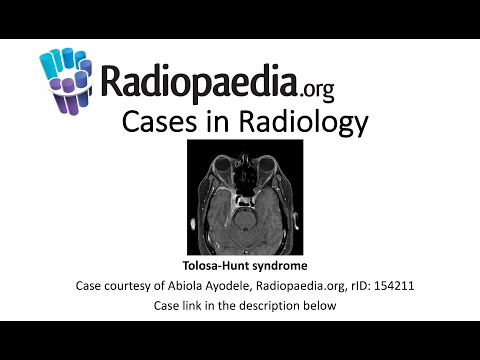
So, picture this: you’re at a party, trying to enjoy some snacks, and suddenly someone starts talking about something called Tolosa Hunt Syndrome. You’re thinking, “What on earth is that?” And honestly, it sounds like a character from a bizarre video game.
But here’s the thing: it’s an actual condition! And diagnosing it can be a real puzzle. That’s where radiology steps in like a superhero with a stethoscope—no cape needed.
Recently, there have been some pretty cool advancements in this field that are changing the game for doctors and patients alike. I mean, can you believe how much technology has evolved? From fancy imaging techniques to super-precise assessments, things are looking up for those dealing with this syndrome.
Let’s break it down together and see just how far we’ve come. Ready to dive into the world of radiology?
Diagnosing Tolosa-Hunt Syndrome: A Comprehensive Guide for Clinicians in Neuro-Ophthalmology
So, if you find yourself in the fascinating but challenging world of diagnosing Tolosa-Hunt Syndrome (THS), you know how crucial it is to have your diagnostic game on point. This syndrome is a bit sneaky when it comes to symptoms, often mimicking other conditions. But, don’t sweat it! Some advancements in radiology can make this process a lot easier.
First off, let’s chat about what THS really is. Basically, it’s an idiopathic condition where inflammation occurs in the cavernous sinus, which is located at the base of the skull. This inflammation can mess with cranial nerves and cause all sorts of ocular problems like double vision or drooping eyelids. It’s like your body’s way of saying “Hey! Something’s up here!”
When you’re working on a diagnosis, imaging techniques are where the magic happens. Here are some key points to keep in mind:
- Magnetic Resonance Imaging (MRI): This is your best buddy for diagnosing THS. It helps in visualizing the soft tissues around the cavernous sinus and can reveal significant inflammation without needing any invasive procedures.
- Contrast Enhancement: Using contrast agents can help highlight areas of inflammation more clearly on MRI scans. You’ll see those inflamed tissues pop out against normal structures, which can save you some serious guesswork.
- T1-weighted vs T2-weighted Imaging: T1-weighted images are great for spotting normal anatomy and any abnormal masses. On the other hand, T2-weighted images can be more helpful for identifying edema or fluid accumulation around affected nerves.
- Diffusion-Weighted Imaging (DWI): This technique measures how water molecules move in tissue and can help differentiate between various types of lesions—super useful when trying to rule out tumors or other syndromes!
- Clinical History: Always take note of patient history! A classic sign that could point towards THS is unilateral headache followed by ocular symptoms. Think about it; this may guide your imaging choices.
A case study that might stick with you: imagine a 40-year-old man presenting with sudden onset diplopia and ptosis on his right side. Initially diagnosed with microvascular cranial nerve palsy, he later underwent MRI that showed distinct signs consistent with THS—just goes to show how critical careful imaging interpretation can be!
Don’t forget that sometimes things get tricky! If there’re doubts about whether it’s really THS or something terrifying like a tumor, some clinicians might recommend a therapeutic trial with corticosteroids after imaging shows characteristic features but no definitive alternative diagnosis.
In summary, diagnosing THS isn’t just about looking at an image; it’s about piecing together clues from clinical presentation and advanced technology working in harmony. And hey, knowing what signs to look for on MRIs using all these nifty techniques will make your life—and your patients’ lives—so much better!
Identifying Conditions That Mimic Tolosa-Hunt Syndrome: A Comprehensive Analysis in Neuro-Ophthalmology
Sure! Let’s break down this topic in a way that’s easier to digest.
Tolosa-Hunt Syndrome is a rare condition that causes sudden eye problems and is linked to inflammation in the area around the optic nerve, kind of like when your computer gets overloaded and starts acting weird. But here’s the kicker—it can be tricky to diagnose because there are other conditions that look just like it. So, what are these impostors?
1. Pituitary Tumors: These little guys can cause pressure on surrounding structures in the brain. They might give you symptoms similar to Tolosa-Hunt, like vision changes and headaches. Imagine your head feeling heavy—that’s how some people describe it.
2. Aneurysms: These balloon-like bulges on blood vessels can also mimic symptoms. When they press on nerves in the eye area, they can create a cocktail of vision issues that makes doctors scratch their heads.
3. Multiple Sclerosis (MS): This autoimmune disease can create lesions in areas of the brain responsible for vision. MS often leads to episodes of blurred or double vision, which you might mistake for Tolosa-Hunt.
4. Sarcoidosis: It’s an inflammatory disease that affects multiple organs, including the eyes and nerves behind them. It can cause acute vision loss or pain—similar to what folks with Tolosa-Hunt experience.
5. Giant Cell Arteritis: This condition mainly affects older adults and involves inflammation of blood vessels, including those that supply the optic nerve. It could lead to sudden blindness if untreated—no joke!
Now, diagnosing Tolosa-Hunt Syndrome usually requires imaging tests like MRIs or CT scans to rule out these other conditions effectively. That’s where advancements in radiology come into play! New imaging techniques have improved our ability to spot these different conditions quicker than ever before.
For instance, high-resolution MRI scans help differentiate between Tolosa-Hunt and its mimics by showing exactly where inflammation is happening and how much damage has occurred already—super useful info for doctors!
Moreover, an early response, treatment-wise, can make all the difference in outcomes for patients because with proper corticosteroid treatment, Tolosa-Hunt often improves rapidly!
And you know what? The whole process reminds me of putting together a puzzle—you know, where some pieces look alike but don’t actually fit? In neuro-ophthalmology, every detail matters because getting it right means less risk of serious complications for folks facing these frustrating visual hurdles.
So yeah, identifying conditions that mimic Tolosa-Hunt Syndrome isn’t just about knowing their names; it’s about understanding how they behave and how we can tackle them effectively with today’s advanced diagnostics!
Understanding Tolosa-Hunt Syndrome: Key Specialists and Their Roles in Diagnosis and Treatment
Tolosa-Hunt Syndrome is one of those conditions that, while rare, can lead to some serious concerns if not recognized and treated properly. Basically, it’s a condition characterized by sudden onset of **pain** and **ophthalmoplegia** (that’s fancy talk for weakness or paralysis of the eye muscles). The cool part? It’s caused by inflammation in the cavernous sinus area at the base of the skull, which can really mess with your cranial nerves.
When we talk about diagnosis and treatment for Tolosa-Hunt Syndrome, we really need to highlight the importance of certain specialists. You want a good team on this! It typically involves:
- Neurologists: These are the guys who take a close look at your nervous system. They’ll assess your symptoms and decide if further imaging is needed.
- Ophthalmologists: Since this syndrome impacts eye movement, ophthalmologists play a crucial role. They check out your vision and how your eyes are moving.
- Radiologists: Here’s where it gets technical. Radiologists use imaging tests like MRIs to spot that pesky inflammation in the cavernous sinus. With advancements in radiology, they can see things more clearly than ever before!
- Primary Care Physicians: Don’t forget about these folks! They’re usually your first point of contact and will guide you through the whole process.
The diagnosis process goes something like this: First off, you’ll probably start with a neurologist or your primary care doc because they’ll listen to what you’re experiencing—like that sudden eye pain or drooping eyelid. Then comes imaging; often an MRI is ordered because it provides detailed pictures of what’s happening inside your head.
If the MRI shows signs of inflammation but no tumors or other issues, it leans toward Tolosa-Hunt Syndrome. What’s crazy is that this diagnosis can be made without a biopsy—yeah, just some well-placed trust in radiology!
When it comes to treatment, corticosteroids are usually given pretty quickly after diagnosis. These medications work by reducing inflammation rather rapidly—sometimes you can see improvement within just days! This is definitely where being under the care of those specialists becomes super important. Monitoring helps ensure you’re responding well to treatment.
If someone has persistent symptoms even after steroids, then more advanced imaging might be necessary again to rule out anything else. It’s all about teamwork here—you know?
Anecdotally speaking, I remember when my cousin had an issue with his eyes suddenly drooping one day at a family gathering. We were all worried sick—it looked terrifying! Luckily, he sought immediate help from his doctor who referred him to a neurologist and ophthalmologist combo right away. Thanks to some quick action and great specialists working together, he was diagnosed with Tolosa-Hunt Syndrome and treated effectively.
The bottom line? Understanding Tolosa-Hunt Syndrome involves recognizing its symptoms early and getting connected with key specialists for accurate diagnosis and treatment! The collaboration between neurologists, ophthalmologists, radiologists, and primary care providers makes all the difference in tackling this tricky condition head-on.
Thinking about radiology and how it’s changed over the years really gets me. It’s wild to consider how far we’ve come, especially when it comes to diagnosing something as tricky as Tolosa Hunt Syndrome. I mean, just a while ago, doctors had to rely heavily on their intuition and experience. The idea of pinpointing such an elusive condition with precision? That was like finding a needle in a haystack.
I remember chatting with a friend whose dad had this syndrome. He went through months of guesswork—headaches, vision issues, you name it—before they finally got the right diagnosis. It wasn’t until some advancements in imaging techniques became available that things started clicking into place for them. They used MRI scans that could show inflammation around the optic nerve and other areas more clearly than ever before. It’s honestly amazing how these tools can cut through the fog of uncertainty.
But here’s the thing: while MRI technology has advanced in leaps and bounds, making these diagnoses more accurate, it still takes skillful eyes to interpret those images. A radiologist has to understand not only what they’re looking at but also how it fits into the bigger clinical picture. They handle these complex images daily, sifting through layers of information—a bit like a detective piecing together clues.
You know, when I think about all this tech in medicine—CT scans and MRIs—it can almost feel overwhelming sometimes. But then you hear stories like my friend’s family and see that behind all those technical advancements are real people who get relief from their symptoms because of them. These developments in radiology don’t just change diagnoses; they change lives.
So yeah, it’s exciting! As we keep pushing forward with research and better imaging techniques, I can’t help but feel hopeful for anyone facing a diagnosis journey similar to what my friend’s dad experienced. Each new advancement means fewer uncertainties and better outcomes for patients down the line—and that’s something worth celebrating!