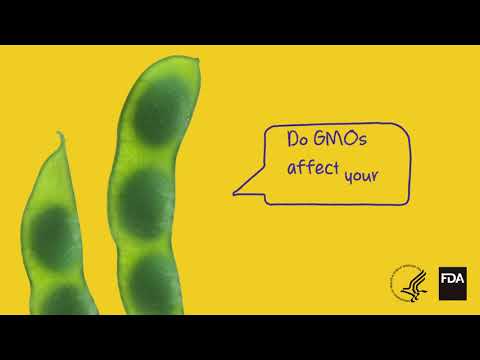
So, picture this: you’re at a barbecue, and someone brings out a corn-on-the-cob. It looks pretty normal, but here’s the kicker—it’s not just any corn. It’s genetically modified! You take a bite, and it’s sweet and juicy. But do you even know what it means that it’s genetically modified?
Honestly, that could be a big deal. People have strong feelings about GMOs. Some folks think they’re the future of food, while others are super skeptical. Like, why mess with nature, am I right?
Anyway, it’s time to unpack all this GMO stuff. So let’s talk about what they really are, how they get in our snacks and meals, and what those implications might be for us. No need to stress; I promise to keep it chill and friendly!
Investigating the Negative Impact of Genetically Modified Organisms (GMOs) on Human Health: A Scientific Perspective
GMOs and the Hype
So, let’s talk about genetically modified organisms, or GMOs. They’re basically plants or animals whose DNA has been altered in a lab to give them certain traits, like pest resistance or faster growth. Sounds cool, right? But there’s a lot of chatter about how they might mess with our health.
The Concerns
Now, while many scientists believe that GMOs are safe to eat, some folks are still worried. Here are a few points that people often raise:
- Allergies: There’s a concern that introducing new genes could create proteins that some people might be allergic to. Imagine biting into a tomato that has fish DNA—it sounds fishy, right? Well, some worry you could end up allergic if you weren’t before.
- Toxicity: Some studies have suggested that certain GMO foods might produce unintended toxins. Like, if a plant is modified to resist pests, it could produce compounds that aren’t safe for humans.
- Nutritional Changes: There’s also the idea that changing the genetic makeup of food might affect its nutritional content. For example, what if a GMO corn has less protein than its non-GMO cousin? It could mean less nutrition for us.
- Long-Term Effects: We don’t have decades of data on eating GMOs—some argue we’re kind of playing with fire here! What happens after years of consumption? It’s not clear yet.
Anecdotal Evidence
I remember when I was younger and my mom freaked out about everything in the grocery store being “fake.” She would point at products and say things like “you don’t know what they put in there.” And honestly? That kind of panic isn’t just my mom; it echoes the feelings many people have today.
The Science Says…
On the flip side, big science organizations—including the World Health Organization and the American Medical Association—say GMOs are generally safe for humans. They’ve run studies showing no significant health risks when GMOs are consumed as part of an overall balanced diet.
But here’s where it gets tricky: safety testing can vary widely between countries and manufacturers. Some places might test rigorously while others… not so much! So if you’re getting your info from different corners of the globe, things can look pretty different!
The Regulatory Framework
Governments often set up regulations to monitor GMO safety. In the U.S., for instance, GMOs must undergo assessments before hitting grocery shelves. But these assessments can differ wildly in thoroughness.
Here’s something cute though: did you know some plants were traditionally bred over centuries for better traits? Yeah! So modifying them quickly doesn’t always come from nowhere; it can actually be seen as speeding up nature!
Wrapping It Up
In short: while there’s ongoing debate on whether GMOs impact human health negatively—some say yes based on potential risks; others assure us we’re all good based on extensive research—what’s clear is this: more studies are needed to truly understand long-term effects.
So next time you’re munching on those corn chips or salad greens labeled as GMO-free or GMO-friendly, just remember there’s a lot more than meets the eye behind that label… and maybe keep an open mind about where your food comes from!
Examining the Environmental Impact of GMOs: Positive and Negative Effects in Modern Agriculture
When we talk about GMOs, or genetically modified organisms, it’s like stepping into a complicated world of science and agriculture. These are crops that have had their DNA tweaked in some lab to make them grow better or resist pests. Sounds cool? It can be, but the environmental impact is a mixed bag.
On the positive side, GMOs can significantly increase crop yield. This means farmers can grow more food in less space. Imagine a farmer working hard in a field but struggling with pests and droughts. By using GMO crops, they might find that they need fewer pesticides and less water. These modifications help crops stand up to challenges like insects or extreme weather.
Moreover, many GMO crops are designed to be herbicide-resistant. This lets farmers use certain herbicides without damaging their crops. So instead of plowing up fields constantly to pull weeds, they can spray the fields with herbicides and let the GMO plants flourish while pesky weeds fade away.
- Reduced pesticide use: Some studies suggest that growing GMO varieties leads to lower usage of chemical pesticides overall, which is better for local ecosystems.
- Diversifying crops: With more resilient crop options available, farmers can grow different types of food in various environments.
But hold on! It’s not all sunshine and rainbows here. There are negative impacts, too, that we can’t ignore. One concern is biodiversity loss. When farmers plant mostly one type of GMO crop (like Bt corn or Roundup Ready soybeans), they may replace many local varieties with just a few mega strains. This makes our climate-dependent ecosystems less robust, as they rely on diversity to adapt and thrive.
If you’ve ever seen a field that’s just corn for miles—well—it’s kind of sad when you think about all those forgotten plants! Another issue is soil health; relying heavily on certain farming practices can lead to nutrient depletion or erosion over time.
- Pest resistance: There’s also the worry that pests may develop resistance to engineered traits over time, leading to “superbugs” that would require even stronger chemicals.
- Crossover contamination: There’s potential for non-GMO crops getting mixed with GMO strains through pollen drift, which complicates organic farming efforts.
The debate surrounding GMOs isn’t just about science; it’s also tied deeply into culture and politics—like watching your favorite sports team argue whether pineapple belongs on pizza! Different regions have different regulations and public opinions regarding GMOs, leading to some dramatic stances on whether we should embrace these technologies or go back to traditional farming methods.
The journey of understanding GMOs leads us through both benefits and drawbacks. We want more food but also need healthy ecosystems—it’s quite the balancing act! So next time you bite into that juicy burger or munch on some fries made from potatoes altered at the genetic level, you might ponder what went into growing those ingredients—all while keeping nature’s needs in mind!
Exploring the Pros and Cons of Genetically Modified Foods: A Scientific Perspective
So, genetically modified foods, or GMOs, huh? They’ve been a hot topic for a while now. Some folks are all in favor of them, claiming they’re the answer to world hunger and environmental problems. Others? Not so much. Let’s break it down into some pros and cons with a scientific angle.
What Are GMOs?
First off, let’s clarify what GMOs are. Basically, they’re foods that have had their DNA altered in some way to give them desired traits. This could be anything from being resistant to pests to having a longer shelf life. Scientists use specific techniques like gene editing to make these changes. It’s fascinating stuff! But, like most things in life, it comes with its ups and downs.
Pros of Genetically Modified Foods
- Agricultural Efficiency: One big plus is that GMOs can help farmers produce more food on less land. This means more crops can grow even in challenging conditions.
- Pest Resistance: Many GMO crops are designed to resist pests and diseases. This reduces the need for chemical pesticides, which is good for the environment—and maybe even your health.
- Nutritional Enhancements: Some GMOs are engineered to pack extra nutrients. Take Golden Rice, for instance; it’s modified to contain vitamin A and could potentially help combat deficiencies in regions where rice is a staple.
Cons of Genetically Modified Foods
But hold on; there are some concerns too!
- Biodiversity Loss: When farmers primarily grow GMO crops, the diversity of plant species can diminish over time. Fewer plant varieties mean less resilience against disease outbreaks.
- Since GMOs are made by modifying genes from different organisms, there’s always a chance that new allergens could be introduced into the food supply.
- Cultural and Ethical Concerns: Many people feel uneasy about altering natural organisms. It raises questions about “playing God,” especially when it comes to traditional farming practices.
Anecdote Time!
So picture this: you’re at a family barbecue enjoying some grilled corn on the cob (delicious!). But there’s talk around the table—some relatives insist on only eating organic because they worry about those pesky GMOs sneaking into their meals. Others argue passionately about how GMO crops feed millions worldwide. It’s like a mini debate club right there in your backyard! And honestly? That’s pretty much how conversations go everywhere these days when topics like this come up.
So overall, genetically modified foods spark both excitement and concern in equal measure. They have the potential to make agriculture more sustainable but also raise questions about health safety and ethical implications.
At the end of the day, you’ve got to weigh these pros and cons carefully! Because what we eat matters not just for us as individuals but for our planet too!
You know, GMOs—genetically modified organisms—get a lot of attention these days. It’s like this hot-button topic, and people are either adamantly in favor or completely against them. I feel like it can be kinda overwhelming at times, right? But let’s break it down a bit.
When I was a kid, my grandma used to grow vegetables in her backyard. I remember helping her pick tomatoes and cucumbers and feeling super proud of our little garden. She’d always say how important it was to grow things naturally. Fast forward to today, and we’ve got all this science that can tweak plants at a molecular level to help them grow better and resist pests or diseases.
So, what’s the deal with GMOs? Basically, scientists take genes from one organism—like a bacteria or another plant—and insert them into another plant species. This can lead to crops that are more resilient, need less water or pesticides, and sometimes even have improved nutritional content. Sounds cool, right? The science behind it can be pretty impressive.
Still, some folks worry about what that means for our health and the environment. You might hear concerns about allergens or long-term health effects. While studies show GMOs are safe for consumption (like the American Medical Association supports this idea), I totally get why people are cautious. Change is hard! We’ve eaten food one way for generations; now it’s all high-tech.
On the flip side, think about areas facing food shortages or droughts where GMO crops could make a difference by ensuring people have enough to eat. It’s like trying to balance progress with tradition—the struggle is real.
And you know what’s interesting? The labeling debate! Some people want clear labels on GMO foods so they know what they’re eating. Others argue that too much labeling could confuse consumers or make them hesitant about eating perfectly safe food just because of its genetic makeup.
So here we are today—standing at a crossroads between innovation and fear of the unknown. In an ideal world, there’d be open dialogues where scientists share information transparently while also listening to community concerns.
In the end, it’s all about finding common ground while keeping our health and our planet in mind. Just like my grandma taught me in that little garden: growth is important—but understanding how we grow matters too.