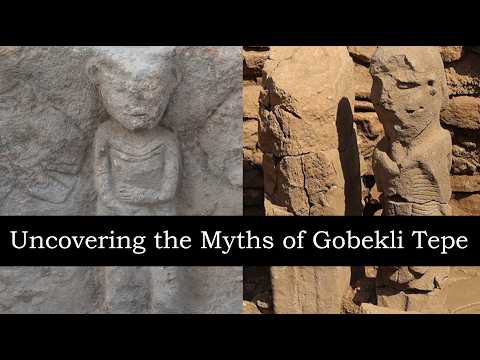
So, picture this: you’re chilling at a party and someone brings up this ancient site in Turkey called Göbekli Tepe. You know, the one that’s like, way older than Stonehenge? Seriously, it’s like the “grandpa” of all ancient sites!
But here’s the kicker: nobody really knows why it was built. Imagine being an archaeologist trying to figure that out! It’s like solving a puzzle without even having a picture on the box.
This place is packed with history—massive stone pillars, intricate carvings, and heaps of mysteries just waiting to be uncovered. It’s wild to think about what was happening there thousands of years ago. You’ve got rituals, community gatherings, or maybe even some epic feasts.
So grab your favorite snack because we’re about to dive into the science and stories behind those mind-blowing excavations at Göbekli Tepe!
Unraveling the Mystery: The Builders of Göbekli Tepe and Their Scientific Significance
So, let’s talk about Göbekli Tepe. It’s this ancient site in Turkey that has really turned our understanding of early civilization upside down. What’s wild is that it’s over 11,000 years old, making it older than Stonehenge and the Great Pyramids! Can you imagine a time when humans weren’t farmers yet but were already building something this complex?
Now, the builders of Göbekli Tepe remain a bit of a mystery. We don’t know exactly who they were. But here’s what we do know: they lived during the Pre-Pottery Neolithic period. This was a time when people were starting to settle down, but they hadn’t fully embraced farming just yet. They likely relied on hunting and gathering while forming complex social structures, you know?
And here’s where it gets super interesting: some archaeologists think these folks might have come together to build Göbekli Tepe for religious or ritualistic purposes. Picture tribes from surrounding areas gathering at this massive site to connect spiritually—like one big ancient festival! The carvings on the T-shaped stones feature animals like snakes, foxes, and birds, which likely had significant meanings for them.
- Construction Techniques: The builders used large limestone blocks weighing tons! They shaped these into stunning pillars. Imagine hauling rocks that heavy without modern tools—it must have taken incredible teamwork!
- Social Structure: Building such a site suggests that these early humans had developed complex social hierarchies. Leaders or shamans might have organized labor for constructing this monumental project.
- Cultural Significance: This wasn’t just a random structure; it seemed to serve as a communal gathering space—like an ancient version of community centers or churches!
Think about how Göbekli Tepe challenges conventional wisdom. It makes us rethink how early civilizations might’ve formed—not necessarily around agriculture first but around shared beliefs and social connections instead.
But the scientific significance goes beyond just the construction itself. Excavations have revealed evidence of earlier hunter-gatherer societies using the site long before they even built those massive stones! This suggests that people were coming together in meaningful ways centuries beforehand.
And here’s a little personal touch: when you stand there among those towering pillars, you can almost feel the energy from all those gatherings thousands of years ago. It gives you chills thinking about what life was like back then!
Through dating techniques like radiocarbon dating and analysis of artifacts found at the site, researchers are piecing together more of this fascinating puzzle every day. Each discovery adds depth to our understanding of human history and evolution.
In summary, Göbekli Tepe isn’t just an archaeological wonder; it’s like an open window into humanity’s past—showing us how we connected with each other long before writing or farming played major roles in society. And honestly? That is pretty mind-blowing!
An In-Depth Analysis of Excavation Progress at Göbekli Tepe: Unveiling the Insights from Archaeological Discoveries
Göbekli Tepe, located in southeastern Turkey, is like a giant time capsule that takes us back over 11,000 years. It’s known for its huge stone pillars and fascinating carvings. Excavation progress there has revealed tons about early human society. Basically, this place challenges everything we thought we knew about the dawn of civilization.
What’s happening at Göbekli Tepe? Well, archaeologists have been digging deep to uncover more than just rocks. They’re exploring the remains of a complex ritual site that dates back to the Pre-Pottery Neolithic period. This was a time before agriculture really kicked off, which means these folks weren’t farming like we do today. Instead, they were gathering for rituals—kind of like ancient block parties!
One of the coolest things is how excavation techniques have improved over time. In the beginning, archaeologists used simple tools and methods that often missed smaller artifacts or structures. Now? They’re using high-tech stuff like digital mapping and 3D modeling. It’s wild! These advanced techniques help them figure out how the site was used and what it all meant to the people back then.
Every dig season brings new surprises. Recently unearthed findings include intricate carvings on stones that depict animals—like snakes and boars—which might offer clues about the beliefs or fears of the people living there. This tells us a lot about their world view. Were they celebrating these creatures? Or maybe trying to ward them off? Who knows!
The layout of Göbekli Tepe is another jaw-dropper. It consists of massive circular structures surrounded by those epic T-shaped pillars adorned with reliefs. It’s thought to be one of humanity’s first temples or communal gathering spaces. Like imagine going to church—or a sports arena—before such places even existed! So fascinating.
Another interesting angle involves how many laborers were involved in building Göbekli Tepe. Some argue you’d need a solid workforce to transport those gigantic stones and create such intricate designs without modern machinery! This possibility hints at social organization way ahead of its time—a community working together toward common goals.
And let’s not overlook what they were eating! Artifacts suggest these folks relied on wild grains and perhaps even hunted animals nearby. Archaeological findings also show evidence of feasting—a big deal back then! This offers insights into their social dynamics; gatherings over food can strengthen bonds between people, right?
Excavation progress isn’t just about finding artifacts but understanding them too. Each layer dug gives more info about changes through time—from climate shifts to population movements and how societies adapted or changed their rituals as they evolved.
So what does all this excavation mean? Well, it’s reshaping our understanding of early humans as creative thinkers capable of complex social structures long before agriculture became common practice. Clearly, life at Göbekli Tepe was more than survival; it was rich with culture and connection.
To wrap it up, as excavations continue at Göbekli Tepe, we’re getting glimpses into our distant past—where humanity started gathering not just for survival but for community creation too! It’s kind of amazing when you think about how these ancient rituals laid groundwork for our future societies!
Unveiling the Past: The Discovery Timeline of Göbekli Tepe in Archaeological Science
Göbekli Tepe is one of those jaw-dropping archaeological sites that make you think about how different things were thousands of years ago. It’s like stepping into a time machine, you know? Anyway, this place is often called the world’s first temple, and its discovery has flipped our understanding of early human civilization completely upside down.
The excavation story here begins in the 1960s. A Turkish archaeologist named Klaus Schmidt started to take a closer look at the site. It was just a bunch of hills and mounds at that time, nothing really fabulous on the surface. But when they started digging deeper, oh boy! They found stone structures that were over 11,000 years old! That means it predates Stonehenge by about 6,000 years. Pretty wild, right?
As they kept digging in the 1990s, more discoveries came to light. They found these massive stone pillars arranged in circles. Some of them are decorated with intricate carvings—like animals and abstract symbols—which gave clues about the beliefs and rituals of the people who once worshiped there. You can almost imagine them gathering around these stones for some sort of ancient ceremony.
Btw, what’s so fascinating is that these people had to come together to create such big structures without any modern tools or machinery! It really makes you think about community and cooperation back then. The site suggests that rather than being nomadic hunter-gatherers as we once thought, humans were starting to settle down and form complex societies much earlier than we’d previously assumed.
Fast forward to around 2000, when Göbekli Tepe drew attention from more archaeologists worldwide. They realized this wasn’t just an isolated find; it had huge implications for our understanding of early agriculture and society’s evolution. The thought is that religious practices might have fueled farming—rather than vice versa—as crops began to be cultivated later.
There are still tons of questions swirling around Göbekli Tepe. For instance:
- Why did they build it?
- What was its significance?
- How did they transport those giant stones?
These questions keep researchers buzzing with ideas! Some believe it was a pilgrimage site where people traveled from far away for rituals or even gatherings—like ancient festivals!
And even today, excavations continue at Göbekli Tepe. New techniques like ground-penetrating radar help archaeologists peek below the surface without digging everything up, which is super cool if you think about it!
When I think about Göbekli Tepe, I feel like it’s not just an archaeological site; it’s like a window into human history—a reminder that our ancestors were capable of extraordinary things long before we had smartphones or cars. The tales embedded in those stones still whisper stories waiting to be discovered.
So yeah, each layer excavated adds another piece to this fascinating puzzle called human history! Whether you’re an archaeology buff or just casually curious about our past, Göbekli Tepe surely sparks some serious thoughts about where we all came from!
Ah, Göbekli Tepe! You’ve probably heard it mentioned a few times. It’s that ancient archaeological site in Turkey that has everyone buzzing. So, picture this: you’re strolling around a dusty field in southeastern Turkey, and beneath your feet lies a treasure trove of human history. Crazy, right?
This place dates back over 11,000 years—way before those well-known pyramids were built! It’s like walking into the world’s oldest temple complex. And the fact that it was constructed by hunter-gatherers, not urban dwellers, just blows my mind. You’d think these ancient peoples were too busy chasing after food to build massive stone structures, but nah, they went for it!
Let me tell you about a time when I first learned about Göbekli Tepe in school. I remember sitting in class while our teacher shared stories of this mysterious place, showcasing those giant carved stones and intricate reliefs of animals—like lions and birds. Suddenly, I was imagining myself as one of those early builders working under the sun. My heart raced with excitement thinking about the communal effort involved; it must have felt like crafting something sacred together.
Now, regarding the science behind all of this, it’s pretty wild how archaeological excavations are done today. Researchers use various techniques such as ground-penetrating radar and magnetometry to peek beneath the surface without digging first! How cool is that? But once they start digging? Oh man! They unearth massive pillars and artifacts that tell us more about ritual practices than daily life back then.
So what does all this say about humanity? Well, from what we gather so far—these folks were no slouches in social organization. They weren’t just gathering to eat but creating places for worship or community gatherings. Kind of makes you think how important connections have always been for us humans.
But here’s the kicker: even with all this knowledge we’ve gained from excavations at Göbekli Tepe—the full story remains an enigma. New discoveries keep popping up like surprises in a box of chocolates! What did they truly believe? Why did they stop using it?
Honestly, diving into the research on places like this fills me with wonder every time I read something new. It’s just incredible how much is hidden underground and waiting for some curious soul to dig it up—literally! Makes ya want to grab a shovel yourself sometimes and join in on uncovering these mysteries!