You know that feeling when you’re in a big group, and everyone’s laughing, but a few people are totally quiet? It’s wild how just one person’s vibe can shift the whole scene. Ever thought about why that happens?
Group behavior is like this fascinating dance we all do, without even realizing it. Seriously! You’ve got your extroverts bringing the energy, while introverts might hang back, just observing. It’s like a social experiment played out every time friends get together—or even at work!
So what’s going on in our heads when we’re part of a crowd? Why does someone shout “let’s do karaoke” and suddenly everyone else feels compelled to join in? That’s the juicy stuff social psychology dives into. It’s all about understanding how we influence each other—sometimes for better, sometimes not so much.
Let’s unravel this together, cause honestly? It can get pretty interesting!
Exploring Kurt Lewin’s Theory of Group Dynamics: Insights into Behavioral Science and Team Interaction
Kurt Lewin was a pioneer in the field of social psychology, and his insights into group dynamics are still super relevant today. Basically, Lewin’s theory helps us understand how people interact in groups and how these interactions can impact behavior. It’s like when you’re hanging out with friends; the vibes of the group can seriously influence what you do or say.
At the heart of Lewin’s theory is a simple idea: **the whole is greater than the sum of its parts**. What this means is that when people come together as a group, they create a dynamic that changes their individual behaviors. You follow me? This leads to some interesting phenomena, which we can break down into a few key points.
- Group Cohesiveness: This term refers to how tightly knit a group is. Think of your favorite sports team; their success often hinges on how well they get along and work together. A cohesive team usually performs better because members hold each other accountable.
- Group Norms: Every group has unwritten rules about what’s acceptable behavior. Like, if you’re part of a book club, everyone might agree not to spoil the latest read during discussions. These norms shape members’ actions and help maintain balance within the group.
- Leadership Styles: Lewin identified three main styles—authoritarian, democratic, and laissez-faire—each influencing group dynamics differently. For instance, in an authoritarian setup, one leader makes all decisions, which can lead to fast action but might stifle creativity.
- Conflict Resolution: Groups aren’t always harmonious; conflicts can arise. Lewin emphasized that resolving these conflicts constructively is key for growth and better relationships within groups.
One thing that makes Lewin’s work so compelling is his emphasis on **experimentation**. He didn’t just theorize from afar; he actively engaged with groups to observe their dynamics in real-time! Imagine being part of an experiment where you see firsthand how changing one element—a leader’s style or a rule—can shift behaviors dramatically. It’s like being part of a live-action science experiment!
Also interesting is his **change model**, often referred to as “unfreeze-change-refreeze.” Before any transformation can happen in a group setting, you first need to “unfreeze” existing behaviors by creating awareness about problems and opportunities for improvement. Then comes “change,” where new habits are formed through teamwork or training sessions. Finally, “refreezing” involves solidifying these new behaviors so they stick around.
Think back to any team project you’ve done—maybe there was some friction at first (the unfreezing stage), then ideas started flowing (change), and finally everyone settled into their roles as things began clicking (refreezing). You see? We’ve all been through it!
In summary, Kurt Lewin’s theory offers valuable insights into human interaction within groups that still matter today in workplaces, schools, and social settings alike. His work teaches us not only about communication but also about growth through collaboration—important lessons for both individuals and organizations!
Exploring the Four Group Dynamics: Insights from Social Science Research
When you think about groups, it’s kinda wild how they function, right? Like, they’re not just a collection of individuals hanging out. There’s a whole science behind group dynamics, and it’s super fascinating! Social psychology gives us some serious insights into how we behave in groups. Let’s break down this topic by exploring four different aspects of group dynamics.
1. Norms
So, every group establishes its own rules or “norms.” These are the unspoken guidelines that tell you what’s acceptable behavior within the group. If you’re in a book club, for instance, the norm might be to respect others’ opinions when discussing plot twists—it’s about keeping things friendly and open. Breaking these norms can lead to some serious tension!
2. Roles
Then there are roles. Think of them like characters in a story. Each person might have a specific function—like the cheerleader who keeps spirits high or the organizer who keeps things on track. Sometimes people fall into these roles naturally, other times they get assigned based on skills or personality. It’s interesting to see how someone can really shine when they find their groove within the group’s roles.
3. Cohesion
Now let’s chat about cohesion. This is all about how connected members feel to one another. High cohesion means everyone feels bonded and trusts each other—like that feeling you get with your best pals during movie nights! But wait; too much cohesion can lead to “groupthink.” That’s where everyone agrees just to keep the peace, even if new ideas might be better.
4. Communication Patterns
Last but not least is communication patterns. How does information flow in your group? Are people sharing ideas freely? Or is it more like a one-way street where only a couple of folks talk while others listen? Good communication can make or break group success; it encourages participation and innovation.
So there you have it! Exploring these four aspects—norms, roles, cohesion, and communication—will give you a solid understanding of what shapes our groups every day. The next time you’re hanging out with friends or working on a project with colleagues, take a moment to notice how these dynamics play out around you! It’s all pretty incredible when you think about it!
Exploring Group Behavior Dynamics: Key Examples in Social Psychology Research
Exploring group behavior dynamics can be such a wild ride, you know? It’s like looking into a mirror and seeing not just ourselves but everyone around us. Social psychology digs deep into how we behave in groups, how our attitudes shift when we’re part of a crowd, and honestly, it’s like watching a fascinating play unfold right before your eyes.
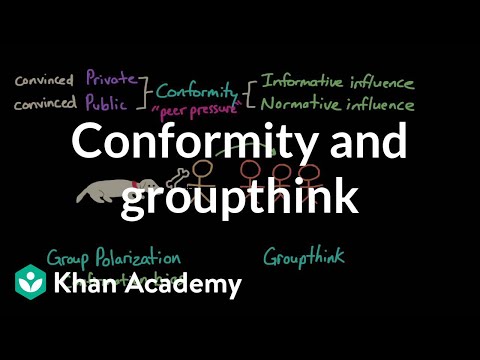
First off, think about conformity. This is when people go along with the group just to fit in. Remember that classic experiment by Solomon Asch back in the 1950s? Participants were asked to match lines. Most of them knew the right answer but ended up saying what everyone else said because they didn’t want to stand out. Imagine being in that room—feeling that tension of wanting to be different but also wanting acceptance! It’s a pretty powerful reminder of how strong group pressure can be.
Another biggie is groupthink, which can lead to some serious decision-making mishaps. This happens when a group values harmony over critical thinking so much that they ignore alternative viewpoints just to get along. The infamous Bay of Pigs invasion is often cited as an example where this went down. Leaders were so focused on consensus that they completely overlooked some big warning signs. Whoa, right? Sometimes wanting to agree can backfire terribly.
Then there’s the concept of social loafing. You know when you’re doing group work at school and there’s always that one person who kind of… disappears? Yeah, that’s social loafing! Research shows people tend to put in less effort when they’re part of a larger group because they think someone else will pick up their slack. It’s kind of frustrating when you’re the one working hard while others chill out!
Let’s not forget about group polarization, which is super interesting too! This is where discussions within a group lead members to adopt more extreme positions than they initially had. Like after talking about politics or sports with friends, you might end up feeling way more strongly about your side than before. It’s like being on an emotional roller coaster together!
And then there’s the bystander effect, which is all about how people behave in emergencies involving groups. When something goes down, individuals often assume someone else will step in and help—so they don’t bother to act themselves. Pretty wild stuff! The story of Kitty Genovese is often used here; she was attacked outside her apartment while dozens witnessed it but no one intervened until it was too late.
So yeah, understanding these dynamics helps us make sense of why we sometimes act differently in groups compared to being alone. It brings light into our collective behavior—a blend of psychology and sociology that reflects so much about human nature itself. Every experiment tells us more about who we are together versus apart.
In essence:
- Conformity: Going along with the crowd.
- Groupthink: Prioritizing consensus over critical thinking.
- Social Loafing: Less effort in bigger groups.
- Group Polarization: Extreme opinions after discussions.
- Bystander Effect: Inaction during emergencies due to assumed responsibility.
Delving into these areas opens up so many doors for understanding ourselves better—not only as individuals but as part of larger social fabrics too! It totally makes you think twice next time you’re caught up in a crowd or even just chatting with your pals at dinner, huh?
Have you ever found yourself in a crowd, feeling the vibe of the group around you? It’s kinda wild how our behavior can change when we’re part of a team, isn’t it? I remember this one time at a concert. Everyone was dancing and singing along, and I found myself joining in—even though I usually don’t dance! That feeling of being part of something bigger really got me thinking about how group dynamics play out in social psychology.
Group behavior is like this complex web, where individual actions aren’t just about one person anymore; they’re shaped by the collection of thoughts and feelings swirling around that group. You know how sometimes people will do things in a group they would never dream of doing alone? That’s called “deindividuation,” and it’s a fancy way to say we lose some sense of self when we’re part of a crowd. Think about it: when everyone around us is cheering or laughing, it’s super easy to get swept up in the moment.
But there’s more to it than just getting caught up in excitement. Groups can influence our decisions and opinions, too. Ever heard of “groupthink”? It happens when people prioritize harmony over critical thinking—like when everyone agrees just to avoid conflict. Imagine a bunch of friends planning a trip where someone suggests an idea that nobody really likes but everyone goes along with it just to keep the peace. Yeah, that can lead to some questionable trips!
And then there’s conformity. It’s fascinating! We often adjust our behaviors or beliefs based on what others think or do. A simple example would be fashion trends—how one person starts wearing something interesting and suddenly everyone wants to hop on that bandwagon.
Now don’t get me wrong; groups can be incredibly powerful for good, too! Take social movements for example—they show how collective action can lead to real change. The energy from a united group can be contagious.
In social psychology research, all this stuff gets delved into deeply—the reasons behind our behaviors as part of groups are examined like pieces of an intricate puzzle. Researchers often look at experiments and observations to gather insights on why we behave as we do together.
So yeah, next time you’re hanging out with folks or even just scrolling through social media feeds plastered with trending ideas, remember there’s so much more happening beneath the surface than meets the eye! Group behavior isn’t just fun; it’s complex and reflects who we are as humans in society. Crazy to think about it all working together like that, right?