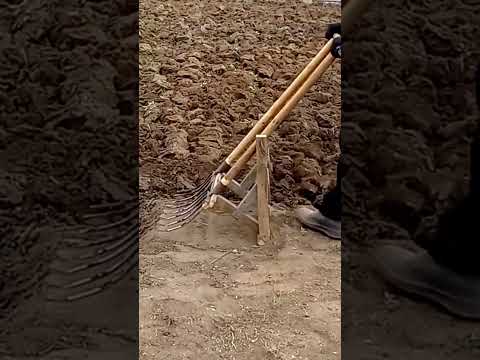
Alright, picture this: you’re in a field, dirt under your nails, and instead of just planting seeds, you’ve got a wild setup going on. Maybe you’re using techy gadgets or experimenting with a mix of ancient farming methods and modern science. Sounds kinda fun, right?
So, hands-on agronomy is where the magic happens. It’s not just about throwing seeds in the ground and hoping for rain anymore. Nope! It’s all about getting dirty and playing around with innovative practices that can seriously change the game.
You might be surprised by how many cool things people are trying out these days. I’m talking about methods that help farmers boost their yields while keeping Mother Earth happy.
And let’s be honest: farming isn’t just for old-timers anymore. Young folks are getting into it—bringing fresh ideas and energy that’s shaking up the soil!
Stick around, cause we’re about to dig into some seriously interesting stuff happening in the world of agronomy!
Exploring Innovative Agricultural Techniques: Advancements in Science and Technology
So, let’s talk about **innovative agricultural techniques**. You know, agriculture is like the backbone of our society—feeding billions of people—and it’s constantly evolving. With the advances in science and technology, farmers are now using some really cool methods to boost productivity and sustainability.
One of the most exciting developments is **precision agriculture**. This technique uses GPS and data analytics to help farmers understand exactly what their crops need. Imagine being able to know which part of a field needs water or nutrients just by looking at data! Farmers can apply resources only where they’re needed, saving money and reducing waste.
Sustainable farming practices are also coming into play big time. Techniques like *crop rotation* and *cover cropping* are gaining traction because they help maintain soil health. For example, rotating different crops can prevent pests from becoming a problem, you know? It’s like giving the soil a little bit of a break while keeping it rich in nutrients.
And don’t forget about vertical farming. It’s this revolutionary way to grow plants in stacked layers, often inside buildings. So instead of sprawling fields, you get farms right in urban areas! It’s great for reducing transportation needs too since food can be grown closer to where it’s eaten.
Another cool thing happening is the use of **drones** in farming. Yeah, drones! These little flying machines can capture detailed images of crops that help farmers spot issues like diseases or pest invasions early on. So rather than waiting for signs that something’s wrong, they can act fast—helping them save a whole crop before it’s too late.
With advancements in technology, we also have new types of seeds that are more resilient against climate change or pests. Scientists are using genetic engineering to create these seeds that need less water or resist diseases better than conventional ones. But you know what’s fascinating? It raises questions about biodiversity and how far we should go with modifications.
Sometimes it feels overwhelming when thinking about all these changes happening at once but remember: each small innovation contributes to a bigger picture of more sustainable food production globally.
So yeah, as we keep pushing forward with science and technology in agriculture, we’re not just improving how we grow food today but also making sure future generations have enough to eat too! Isn’t that something worth celebrating?
Understanding the 4 R’s of Agronomy: A Key to Sustainable Agriculture Practices
Alright, let’s talk about the 4 R’s of agronomy! This is super important stuff if you want to understand sustainable agriculture, and it’s not as complicated as it sounds. The 4 R’s stand for: Right Source, Right Rate, Right Time, and Right Place. So, let’s break these down a bit.
First off, the **Right Source** is all about choosing the best materials for your crops. You wouldn’t want to use just any fertilizer out there, right? It’s like picking the right ingredients for a recipe. For example, if your soil needs nitrogen but you give it potassium instead, you’re not gonna get very far! Using the right source means evaluating what nutrients are needed specifically for your crops and what will support healthy growth.
Then comes the **Right Rate**. This one’s pretty crucial because it’s all about how much of those nutrients you’re putting into the soil. Too little and your plants won’t thrive; too much can cause harm—like nutrient runoff that pollutes waterways. It’s basically finding that sweet spot where your plants get exactly what they need to grow strong without overdoing it. Like watering a plant just enough so it doesn’t drown!
Next up is the **Right Time**. Timing can be everything in farming! Applying nutrients at the wrong moment can lead to waste or even harm to your crops. Think about planting flowers: if you try to plant them too early in spring, they could freeze! In agronomy terms, this means knowing when your crops will need certain nutrients most during their growth cycle.
Finally, we have the **Right Place**. This one refers to where you put those nutrients in the field or garden beds. Not every part of your field is created equal; some spots might be richer while others are poorer due to various factors like drainage or sunlight exposure. So placing fertilizers strategically can make a world of difference!
Incorporating these 4 R’s into agricultural practices helps maximize yields while minimizing negative impacts on our environment. And here’s something cool: farmers who apply these principles often see better crop health and higher profits!
So there you have it—a simple yet effective approach to sustainable agriculture practices that really matters in today’s world of farming! Understanding these principles not only helps plants flourish but also protects natural resources for future generations. How great is that?
Exploring the Four Modern Farming Methods: Innovative Approaches in Agricultural Science
Farming has come a long way since the good ol’ days of just planting seeds in the ground and hoping for rain. These days, scientists and farmers are teaming up to create some pretty amazing methods to grow food more efficiently. So, let’s chat about four modern farming methods that are shaking things up in agriculture.
1. Hydroponics
Ever heard of growing plants without soil? That’s what hydroponics is all about! Instead of dirt, plants get their nutrients from a nutrient-rich water solution. It’s like giving them a vitamin drink! This method can be done indoors or on rooftops, making it perfect for cities where space is limited. I remember visiting one rooftop farm in New York City – it was mind-blowing to see lush greens sprouting right above a busy street!
2. Aeroponics
Similar to hydroponics, but even cooler if you ask me! Aeroponics grows plants suspended in the air with their roots misted by a nutrient solution. Imagine little plant roots hanging out in mid-air while they sip on their food! This technique uses less water than traditional farming and can even speed up growth rates. It’s like giving your plants a superpower!
3. Vertical Farming
Picture stacking farms on top of each other – that’s vertical farming for you! It makes use of vertical space, which is super important where land is scarce or expensive. These farms often use LED lights to simulate sunlight, allowing crops to grow indoors year-round, regardless of weather conditions outside. Plus, having multiple layers means you can harvest way more from the same footprint.
4. Precision Agriculture
This method leverages technology like GPS and drones to monitor crop health and soil conditions with laser-like accuracy. Farmers can target areas that need extra attention – think fertilizer or water – without wasting resources elsewhere. It’s like having eyes everywhere on the farm! This not only helps save money but also protects the environment by minimizing chemical usage.
So there you have it, four innovative approaches revolutionizing how we think about farming today! These methods aren’t just about growing crops; they represent a shift towards sustainability and efficiency in agriculture. As we keep pushing boundaries in science, who knows what other amazing techniques will sprout up next?
So, you know how farming has been around forever, right? It’s almost like a timeless dance between humans and the land. But have you noticed that lately there’s this buzz about new ways to do things in agronomy? Yeah, I’m talking about hands-on practices that are shaking things up a bit.
Alright, picture this: I was at a local community garden last summer. It was one of those hot days where the sun just sits on your shoulders. People were planting seeds, and it wasn’t just the usual stuff like tomatoes or peppers. No way! You had folks experimenting with companion planting—putting certain plants together because they help each other out. Seriously, it made me think about how collaboration can produce more than just competition.
What really struck me was how these innovative approaches aren’t just for the big farms anymore. Anyone can get in on it! Techniques like vertical farming and hydroponics are popping up everywhere. Imagine growing lettuce in a tower instead of on sprawling fields! It saves space and water; plus, you can do it indoors! Crazy cool, right?
And then there’s the whole tech aspect coming into play. Drones flying overhead to monitor crops? That’s high-tech farming at its finest! I mean, who would’ve thought we’d need tiny robots buzzing around while we’re trying to grow food? But hey, if it means optimizing yields and reducing waste—sign me up!
But here’s something that always hits home for me: sustainability is becoming more than just a buzzword. Farmers are looking at their practices and asking themselves: “How can we do better?” Whether it’s reducing chemical use or improving soil health through regenerative agriculture, there’s this fantastic wave of consciousness surrounding how our choices impact not just us today but future generations too.
Of course, change isn’t easy. Tradition runs deep in farming families; it’s their legacy. They want to keep what works but also adapt to the modern world. Balancing innovation with age-old wisdom is tricky—a bit like riding a bike uphill with no hands while balancing your groceries!
You know what gets me excited about all this? It’s the sense of community sprouting from these innovative approaches—people sharing knowledge and techniques without keeping secrets behind closed doors. That garden I mentioned earlier? They held workshops for anyone interested in learning about organic pest control or crop rotation practices. Watching them grow together was inspiring.
In the end, hands-on agronomy is evolving while staying rooted in respect for nature and community values—and that’s something worth celebrating! So next time you bite into that juicy tomato or crispy lettuce from your local market (or maybe even your own backyard), remember there’s a whole lot of thoughtful innovation behind it all; it’s amazing what we’re capable of when we roll up our sleeves and get our hands dirty!