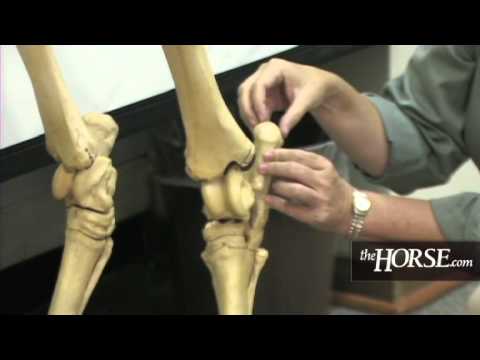
You know, I once tried to impress my friends by showing them how horses can run like the wind. But then I tripped over my own feet when trying to mimic a galloping horse! It reminded me how amazing their legs are.
Seriously, though, have you ever thought about how much goes into those big, beautiful hooves? It’s not just about speed and grace; it’s like nature’s engineering masterpiece!
Let’s chat a bit about horse foot skeletons and what they tell us about evolution. Each little bone has a story that helps us understand how these incredible creatures adapted over millions of years. You follow me? It’s kind of mind-blowing when you think about it!
Evolution of Equine Skeletal Structure: A Study on the Adaptation of Horse Foot Bones Through Time
So, let’s chat about the evolution of horse foot bones—kind of a cool topic, right? Horses have been around for millions of years, and their skeletal structure has changed quite a bit to adapt to different environments and lifestyles. I mean, who wouldn’t want to evolve for speed and efficiency?
First off, horse ancestors looked totally different than the horses we know today. They started off as small creatures called Hyracotherium, roughly the size of a dog. These little guys had multiple toes and a completely different foot structure. It’s like comparing a flip-flop to a running shoe! As time went on, they transitioned into larger animals like Hipparion and finally into modern horses. Each stage brought changes in foot bones that were super important for their survival.
One big change was the number of toes. Early horses had three toes on each foot, which helped them navigate through soft forest floors. But as they evolved into open plains grazers, it became clear that having one strong toe would be better for running on hard ground. You can think of it like upgrading from a multi-tool to a specialized knife—it just gets the job done faster!
Now onto their feet: the modern horse has a single hoof per leg—basically just one toe! This hoof is made up of various parts like the hoof wall, sole, and even sensitive structures underneath, called laminae. These parts work together to provide support and cushion during all that galloping.
Another fascinating tidbit is about how weight distribution has shifted over time. Modern horses have evolved with robust leg bones that can handle high-impact stress, making them lighter but stronger overall. The third metacarpal bone in their legs—often referred to as the cannon bone—is remarkably sturdy. It’s like upgrading from standard cardboard to reinforced steel!
But what really gets my attention is how these adaptations are tied to habitat changes too. When grasslands took over forests, horses needed faster speeds for escaping predators or trotting long distances between food sources. The adaptations in their foot structure facilitated this transition perfectly.
You know what else is interesting? Fossil evidence shows some variations even within species based on where they lived! Some hoof structures were adapted differently depending on whether these horses roamed rocky terrains or soft swamps.
When you consider all this together—foot shape changing due to environmental pressures—it’s pretty amazing! Not only did these adaptations help them run faster but also improved endurance over distances.
In summary:
- The evolution from multiple toes to one hoof made them more efficient runners.
- The adjustment in bone density allowed modern horses to sustain heavy impacts.
- Environmental factors played crucial roles in driving these changes.
- Fossils reveal variations influenced by habitat diversity.
So there you have it! The story of horse feet says volumes about evolution: adaptation isn’t just survival; it’s about thriving in new spaces with new challenges! Isn’t nature something else?
Unraveling Equine Evolution: Key Anatomical Changes That Shaped Modern Horses
Sure! Equine evolution is a pretty fascinating topic, and it really shows how animals adapt over time. So let’s break down some key changes that shaped modern horses, especially focusing on their foot skeletons.
First off, horses didn’t always look like the sleek creatures we know today. They evolved from much smaller ancestors known as **Eohippus** about 50 million years ago. This little guy was about the size of a dog and had multiple toes—four on the front feet and three on the back. Can you imagine that? A tiny horse running around with all those toes!
Now, as the environment changed, these early horses had to adapt to different conditions like open grasslands rather than dense forests. This is where you start to see some big changes in their anatomy. The single hoof we associate with horses today emerged from this need to run fast over long distances.
So, what did they lose along the way? Well, extra toes! Over millions of years, natural selection favored horses with fewer toes. The transition from multiple toes to just one strong hoof allowed for better speed and endurance. You could say it was literally about surviving in a changing world.
Let’s talk about that hoof for a second—it’s not just any old foot structure. It’s made up of a complex skeleton that includes three main parts:
- The coffin bone: This is the bone inside the hoof that bears most of the horse’s weight.
- The distal phalanx: Commonly known as P3; this bone connects directly to the hoof wall.
- The navicular bone: A small bone that helps with movement and flexibility.
These anatomical features make up what we call the **ungulate** foot structure—perfectly designed for running swiftly over varied terrains.
Another neat change has been in their limb bones too! Original equine ancestors had shorter limbs relative to their body size which limited how fast they could run. Over time, limbs became longer and more slender, allowing for quicker strides and greater height—which is super important when trying to escape predators.
Interestingly enough, there’s also been a shift in muscle structure around these bones! Modern horses have powerful leg muscles that give them explosive strength and speed—ideal for those sprinting moments when danger approaches.
And here’s something cool: The evolution of modern horses didn’t happen all at once; it’s actually an ongoing process! Even today, as climate change affects habitats worldwide, who knows how horse anatomy might change again? Nature’s always up to something new!
To sum it all up, from tiny multi-toed creatures to sleek one-toed speedsters, equine evolution paints a picture of survival through adaptability. Isn’t it amazing how much change can come from just trying to stay alive? Each adaptation tells us not just about horses but also about resilience itself in nature!
Exploring the Anatomy of the Horse’s Foot: A Comprehensive Guide for Equine Science
So, let’s chat about something pretty cool: the anatomy of a horse’s foot. You might be asking yourself, why should this matter? Well, the horse’s foot is fascinating and crucial for their overall health and performance. Understanding how it works can give us insights into evolutionary biology too.
The horse’s foot is a complex structure designed for endurance and speed. Basically, it’s not just a hoof; it’s an incredible piece of engineering! The foot can be divided into a few major parts, each playing its own role.
- Hoof Capsule: This is the hard outer part. It protects everything inside and provides support. It’s made up of tough keratin, which is the same stuff our nails are made of!
- Distal Phalanx: This is also known as the coffin bone. It’s a key player because it gives shape to the hoof and supports the horse’s weight.
- Laminae: These are like tiny folds that connect the hoof capsule to the coffin bone. They help keep everything in place—kind of like glue!
- Sole: The bottom part of the hoof that’s not covered by hoof wall. It helps protect sensitive structures inside but has less strength than the hoof wall.
- Frog: This V-shaped structure on the underside acts like a shock absorber. Seriously! It helps with blood circulation when horses walk or run.
Now, here comes one of those emotional moments I mentioned earlier—imagine watching a galloping horse in slow motion, each powerful stride sending ripples through its body. That kind of grace relies heavily on an efficiently functioning foot!
Looking at evolution, horses started with multiple toes back in their ancient relatives’ days—like five toes on each foot! Over millions of years, as they adapted to running on open land, those toes transformed into one strong hoof per leg. That change helped them run faster and evade predators better.
But evolution isn’t just about looking cool; it’s got functional reasons too! The single-toed design allows for better distribution of weight and less stress on joints during sprinting. Think about it: if you had five little fingers instead of one solid thumb for gripping things tightly—you’d probably drop stuff all over!
Another interesting bit: changes in lifestyle have led to some unique adaptations in horse feet among different breeds. For example, racehorses typically have more upright hooves that are designed for speed while draft horses have broader hooves suited for strength.
Overall, understanding this anatomical marvel provides deep insight into not just equine science but helps us appreciate how nature innovates across species over time! It’s all connected—evolution shapes anatomy and behavior in ways that let these beautiful creatures thrive.
So next time you see a horse trotting along or galloping across a field, remember there’s so much going on beneath those strong hooves—a whole world shaped by millions of years of evolution! How awesome is that?
So, let’s chat about horse feet. I know it sounds a bit niche, but hang tight for a second. Picture a majestic stallion galloping across an open field, manes flowing like waves. What you might not think about is the intense evolutionary journey that got those hooves just right.
Horses belong to a family of animals called Equidae, and their foot structure has gone through some serious changes over millions of years. Way back when, horses had multiple toes—like, think of a funky version of what we have today. They ran around with three or four toes on each foot! But as time rolled on, the landscape changed. Predators were faster, terrains shifted. So these ancient equids evolved.
Before we dig deeper into that whole toe situation, let me share something personal. I grew up near a farm where horses roamed freely and spent hours just watching them trot and play in the fields. It was mesmerizing! And then one day I got to see a blacksmith work on their hooves—shaping them and making sure they were healthy for riding and running. Seeing how vital the hoof is to their overall health really struck me; it’s like the foundation of an amazing house!
Okay, back to evolution! As horses adapted to speed and long-distance travel over plains—like the vast grasslands—they ditched those extra toes for a single large hoof per foot; this singular structure offered more support and stability at high speeds while running from predators (or towards food!). You could say it’s like trading in your clunky old sneakers for sleek racing shoes that help you take off!
The horse’s skeleton reflects this evolution too. Check this out: within their hooves lies a complex internal structure with bones like the coffin bone (cute name aside). This bone supports all their weight and keeps everything aligned so they can run like the wind without tripping over themselves.
So why should we care about all of this? Well, understanding horse foot anatomy isn’t just academic stuff—it shows us how life is all about adapting to fit our environment better! By studying these changes in creatures we’ve admired for ages, we get insights into broader themes of survival—endurance in nature—and even our own human gripes about adapting to life’s challenges.
In short, these magnificent creatures didn’t just evolve hooves by chance; it was all part of nature’s grand design, giving them strength while teaching us valuable lessons about resilience and adaptability. Pretty powerful stuff if you ask me!