So, you know how dogs are basically our furry little buddies who always seem to be ready for a snack? Well, did you ever think about what happens inside them when they chow down? Their pancreas plays a big role in that whole process! Crazy, right?
Now, I remember this one time when my dog, Max, tried to steal a piece of pie off the counter. He showed some serious acrobatics for a golden retriever! But what I didn’t realize was that while he was plotting his heist, his pancreas was working hard to handle all the yummy treats he scarfed down.
The pancreas in dogs is kind of like an unsung hero. It helps digest food and regulate blood sugar levels—so essential for keeping our pups happy and healthy. Let’s break it down together!
Comprehensive Overview of Canine Pancreas: Structure, Function, and Anatomical Insights (PDF)
So, let’s chat about the canine pancreas. This little organ plays a big role in your dog’s overall health. If you think about it, it’s kind of like the Swiss Army knife of your dog’s digestive system.
Structure
The pancreas is nestled right behind the stomach and is shaped like a long, flat pear. It’s not just one solid mass; rather, it’s made up of clusters of cells called acini that produce digestive enzymes. These enzymes are like tiny workers that help break down food so your dog can absorb nutrients. You could say they’re the unsung heroes of digestion!
Also, there’s this other part called the islets of Langerhans, which look kind of like little islands scattered throughout the pancreas. These islets are super important because they secrete hormones such as insulin and glucagon that regulate blood sugar levels. So, seriously, without these guys, maintaining energy levels would be a huge challenge for your furry friend.
Function
When it comes to function, the pancreas has two main jobs: exocrine and endocrine functions. The exocrine part deals with digestion.
- The pancreas produces digestive enzymes like amylase (which breaks down carbohydrates), lipase (for fats), and proteases (which digest proteins).
- These enzymes are released into the small intestine where they can go to work breaking down food.
Then there’s the endocrine function:
- This involves releasing hormones into the bloodstream.
- Insulin helps cells use glucose for energy while glucagon helps raise blood sugar levels when they get too low.
And here’s something to think about: just as we can sometimes overdo it on sweets or carbs (ahem!), dogs can have problems too. If their pancreas isn’t working quite right—due to inflammation or other issues—this can lead to conditions like pancreatitis or diabetes.
Anatomical Insights
Now let’s get a bit nerdy about anatomy! The pancreas has ducts that carry those crucial enzymes from within it out into the small intestine. One main duct connects with another duct from the liver and gallbladder; this combo is essential for digestion and nutrient absorption.
You might have seen your dog panting after eating or acting a bit off. Sometimes, that could be linked back to pancreatic health! An inflamed pancreas can lead to serious symptoms like vomiting or lethargy because it just can’t process food properly at that point.
Being informed about how this organ works gives you insight into why certain diets matter for your pup’s health! For instance, rich foods high in fats might stress their pancreas if they’re already having issues.
In a nutshell, understanding your dog’s pancreas—from its structure right down to its functions—can help you keep an eye on potential health issues before they escalate into bigger problems later on! So really worth knowing what goes on inside their little bodies, don’t you think?
Exploring the Structure and Function of the Canine Pancreas: Insights into Canine Anatomy and Physiology
The pancreas is a pretty fascinating organ, especially when we’re talking about dogs. Seriously, it plays a key role in how their bodies work. So, let’s break down the structure and function of the canine pancreas, shall we?
First things first: where is this thing located? The pancreas hangs out in the abdomen, nestled right behind the stomach and close to the small intestine. It’s like that quiet roommate who helps everything run smoothly but doesn’t always get the spotlight.
Now, what does this little organ do? Basically, its main job is to help with digestion and regulate blood sugar levels. And it does this in two major ways:
1. Endocrine Function: The pancreas produces hormones such as insulin and glucagon. These guys are crucial for managing blood sugar levels. Insulin helps lower sugar levels in the blood after meals by allowing cells to take in glucose for energy or storage.
2. Exocrine Function: This is where digestion comes into play. The pancreas produces digestive enzymes like amylase and lipase that help break down carbohydrates and fats. These enzymes are secreted directly into the small intestine during meals to assist with food breakdown.
But here’s where it gets even cooler: these pancreatic enzymes are inactive until they reach the small intestine! If they were active all the time, they’d start digesting everything around them—including the pancreas itself! It’s like having a superhero that knows when to kick into action.
For context, think about how important your own pancreas is when you eat a meal full of carbs or fats—your body needs those enzymes working hard so you can get all those nutrients from your food.
Now let’s talk about **structure** for a second. The canine pancreas has a lobulated appearance; it looks kind of like little clusters of grape-like sacs. Each of those clusters contains cells responsible for producing either hormones (like insulin) or digestive enzymes (like lipase).
If you took a closer look at it under a microscope, you’d see:
- Palpha Cells: Produce glucagon.
- Beta Cells: Produce insulin.
- Duct Cells: Help transport those digestive juices to where they’re needed.
It’s pretty wild how organized nature is! Now imagine if a dog had issues with its pancreas—if something goes wrong there, like inflammation or diabetes due to improper hormone production, things could get hairy quickly!
For instance, pancreatitis can be a real pain in the neck (or abdomen) for pups; it basically means their pancreas gets inflamed and makes them feel super sick! Symptoms include vomiting, severe abdominal pain, and sometimes even lethargy. That’ll have any doggie feeling totally outta sorts!
So yeah, understanding how the canine pancreas functions gives us insights not just into their health but also helps us appreciate how vital these organs are—much more than just an “extra” part of anatomy! Next time you’re chilling with your doggo during snack time or watching them chow down on their dinner plates, remember: there’s some serious biological magic happening inside them thanks to that hardworking little organ called the pancreas!
Exploring the Structure and Function of the Left Pancreas in Canine Anatomy: A Scientific Overview
When you think about a dog’s organs, the pancreas might not be the first to pop into your mind, right? But this little organ, especially its left side, plays a pretty crucial role in your furry friend’s health.
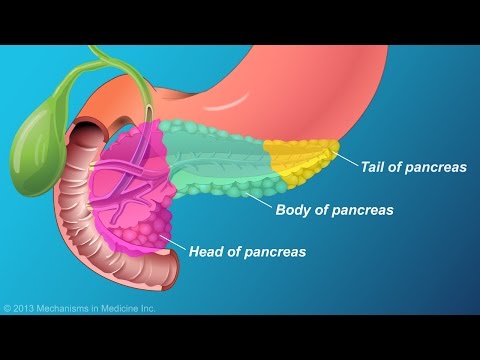
First things first: the pancreas is a gland located near the stomach and small intestine. In dogs, it’s divided into three sections—the head, body, and tail. The left pancreas is actually part of the body and tail of that organ. It’s like the unsung hero of digestion!
So what does it do? Well, one of its main functions is to produce enzymes that aid in breaking down food. This happens because the pancreas releases **amylase** for carbohydrates, **lipase** for fats, and **proteases** for proteins. Seriously! Without these enzymes, your dog wouldn’t be able to get all those yummy nutrients from their meals.
Also, the left side of the pancreas has an important job in regulating blood sugar levels. It produces hormones like **insulin**, which helps control how much sugar is in your dog’s bloodstream. If something goes wrong here—like pancreatitis—it can cause a lot of trouble. Imagine if your dog couldn’t digest food properly or had wild blood sugar levels. That would be no fun at all!
Now let’s talk about how we can look after that left pancreas. A healthy diet is key! Feeding your dog high-quality food with proper fats and proteins can help keep that organ happy and functioning well. And don’t forget about regular vet check-ups; they’re super important for early detection of any issues.
It’s kind of touching to realize how such a small part of their anatomy has such a big job in keeping them healthy and active! Like when you see your pup doing zoomies around the yard with all their energy—their pancreas is working hard behind the scenes to make that possible.
In summary:
- The left pancreas helps digest food by producing important enzymes.
- It regulates blood sugar by releasing hormones like insulin.
- A healthy diet supports its function.
- Regular vet check-ups are essential for catching potential problems early.
Understanding this little organ not only helps us care better for our dogs but also makes those moments spent together more special. After all, every wagging tail owes a bit of thanks to that hardworking left side of their pancreas!
You know, when you think about dogs, you probably picture wagging tails and sloppy kisses. But behind that adorable exterior is some pretty fascinating biology happening inside, especially when it comes to the pancreas. Seriously! This little organ has a lot going on, and it plays a crucial role in your pup’s health.
So, here’s the deal: the pancreas sits in that nifty space between the stomach and the small intestine. It’s like that silent partner in a buddy cop movie—working hard but rarely taking the spotlight. Its job is twofold: it helps with digestion and regulates blood sugar levels. How cool is that?
When your dog eats, the pancreas releases enzymes to break down proteins, fats, and carbohydrates. Think of these enzymes as dedicated chefs in a restaurant kitchen—getting everything ready to be absorbed into the bloodstream. And when it comes to those pesky blood sugar levels? The pancreas releases insulin like an air traffic controller guiding incoming flights; it ensures everything lands safely where it needs to go.
I remember my childhood dog Max. He was this lovable golden retriever who’d steal food right off your plate before you even knew what hit you. It was all fun and games until one day he started acting super lethargic and drinking tons of water. Turns out, he had pancreatitis—a fancy term for inflammation of the pancreas. That experience really made me appreciate how vital this organ is for keeping our furry friends feeling their best.
But here’s something to keep in mind: dogs can suffer from pancreatic issues just like we do! Conditions like pancreatitis or diabetes can arise if their diet isn’t right or if they have certain genetic predispositions. It’s kinda scary to think about how easily things can go sideways if we’re not careful about their nutrition.
So next time you’re playing fetch or scratching behind your dog’s ears, take a moment to appreciate all that’s happening inside their bodies—especially that little pancreas doing its job behind the scenes! It’s one more reason why keeping an eye on what they eat is super important; after all, healthy pups equal happy lives!